What Is the Difference Between a TV Antenna and a Wi-Fi Antenna?
What Is the Difference Between a TV Antenna and a Wi-Fi Antenna?
Introduction
In the age of wireless everything, it’s easy to confuse the tools that connect us to entertainment and the internet. A common question many ask is: What’s the difference between a TV antenna and a Wi-Fi antenna? While both use radio waves to transmit and receive data, their purposes, frequencies, and designs are fundamentally different.
If you're exploring options like a WiFi TV antenna, or you're wondering whether an attic-mounted TV antenna or the best RV TV antenna is right for your setup, this article will help you understand the distinctions and guide your buying decisions.

Technical Overview: TV Antenna vs Wi-Fi Antenna
What Is a TV Antenna?
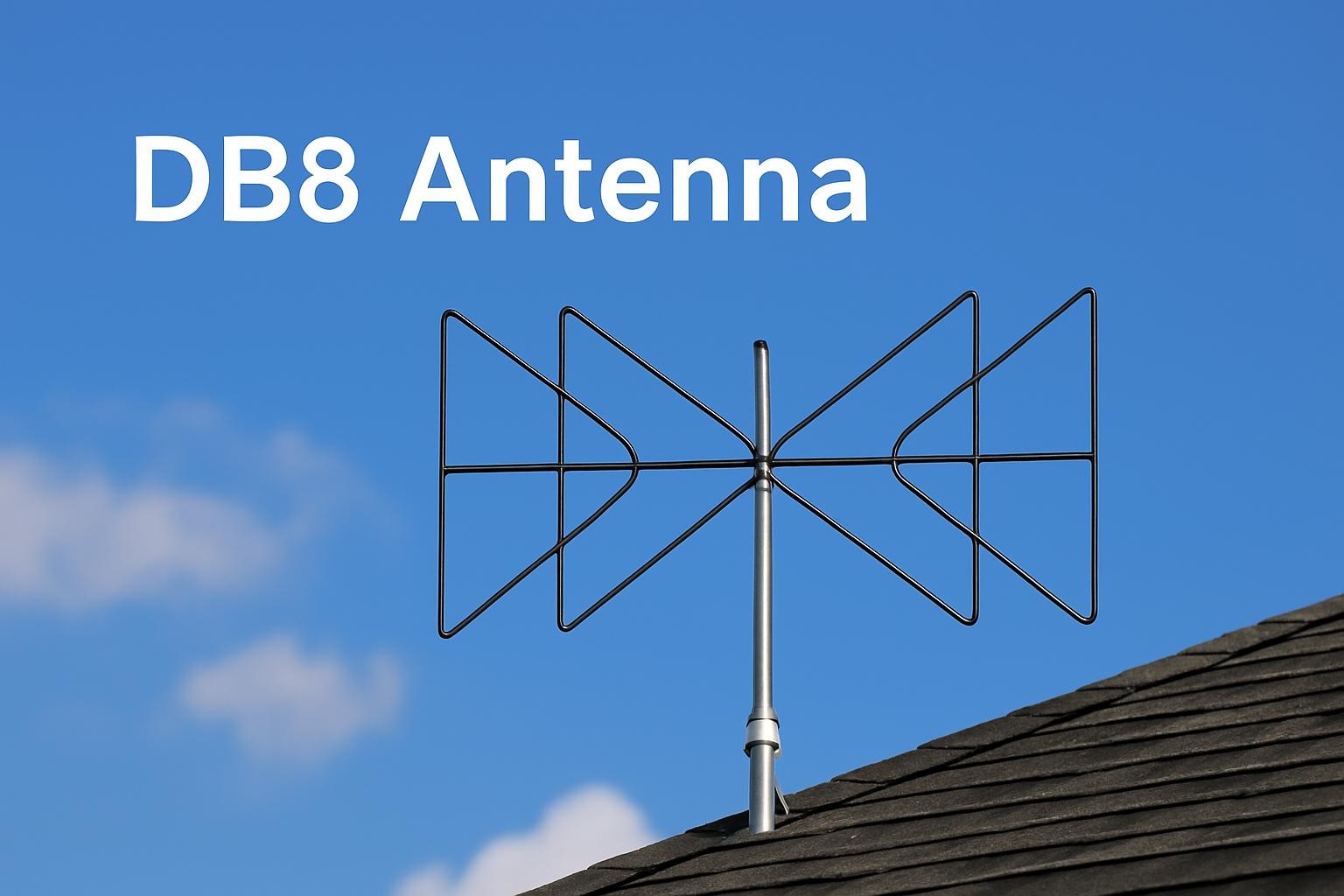
A TV antenna is designed to receive over-the-air (OTA) broadcast signals from local TV stations. These antennas work within the VHF (54–216 MHz) and UHF (470–700 MHz) frequency ranges and can bring in free local channels like ABC, CBS, NBC, PBS, and FOX in high definition.
There are different types of TV antennas depending on the environment:
-
Indoor antennas – For urban areas with strong signals
-
Best attic TV antenna – Ideal for suburban homes
-
Outdoor or long-range antennas – For rural locations
-
Best RV TV antenna – Optimized for travel and compact installations
What Is a Wi-Fi Antenna?
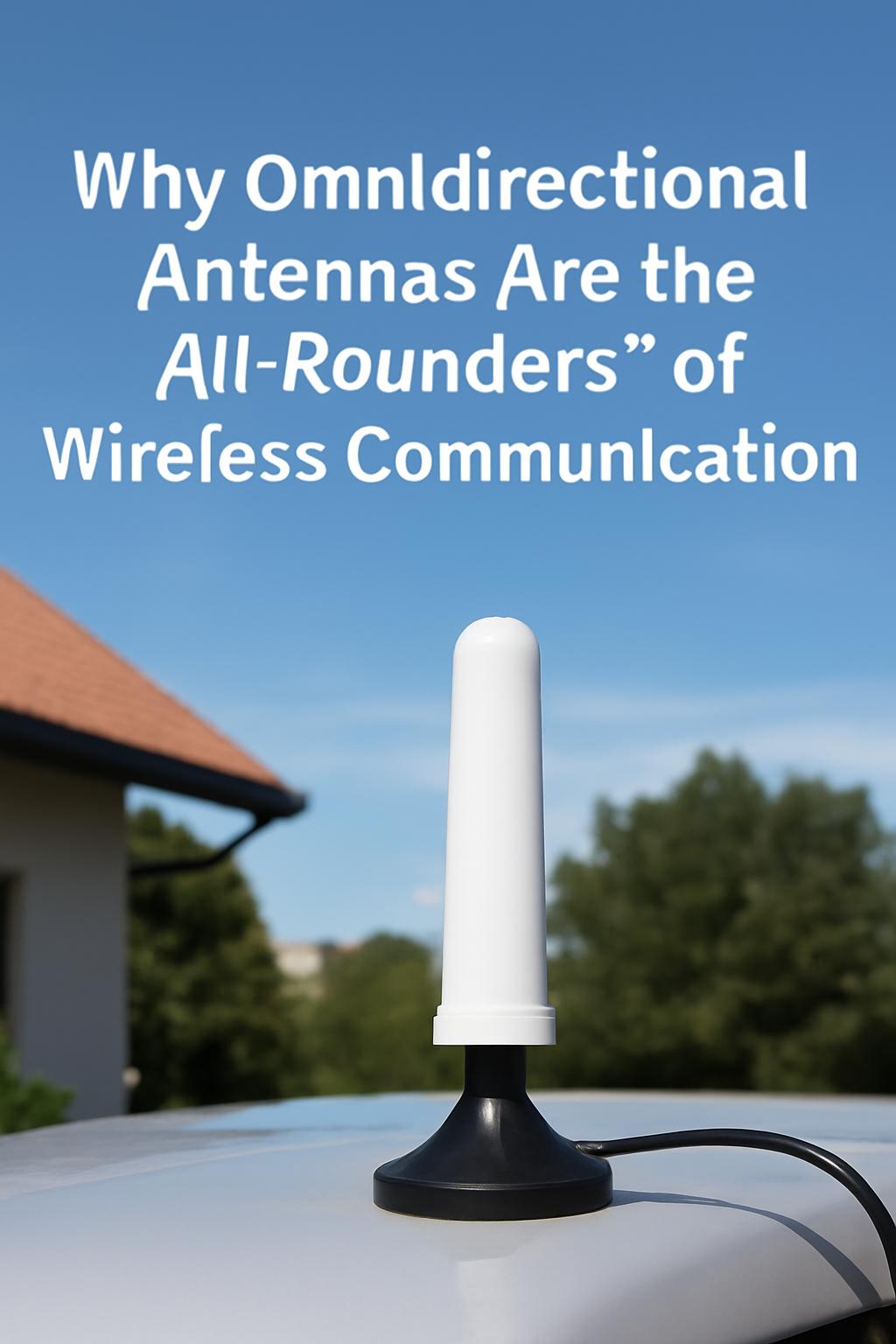
A Wi-Fi antenna is used for wireless internet transmission, often built into routers, laptops, and smart devices. These antennas work on higher frequencies such as 2.4 GHz and 5 GHz, supporting network standards like 802.11n, ac, or ax (Wi-Fi 6).
Wi-Fi antennas are directional or omnidirectional, typically used for:
-
Extending wireless coverage in homes
-
Connecting smart TVs to the internet (e.g., for Netflix, YouTube)
-
Improving RV/camper internet performance with signal boosters
Important: A Wi-Fi antenna cannot receive broadcast TV, and a TV antenna cannot replace your router’s Wi-Fi antenna.
Tools and Equipment to Know
Here’s a list of tools and products people commonly confuse or combine:
1. WiFi TV Antenna
The term "WiFi TV antenna" is often misleading. Most of the time, it refers to a hybrid smart antenna that includes Wi-Fi capabilities for streaming apps, not for pulling in OTA broadcast signals. It’s important to check if your goal is to receive local channels or internet-based TV services.
2. Best Attic TV Antenna
If you live in a suburban home and don’t want to mount an outdoor antenna, the best attic TV antenna is an excellent middle-ground. It stays protected from weather and can still receive dozens of channels if you’re within 30–60 miles of a tower.
3. Best RV TV Antenna
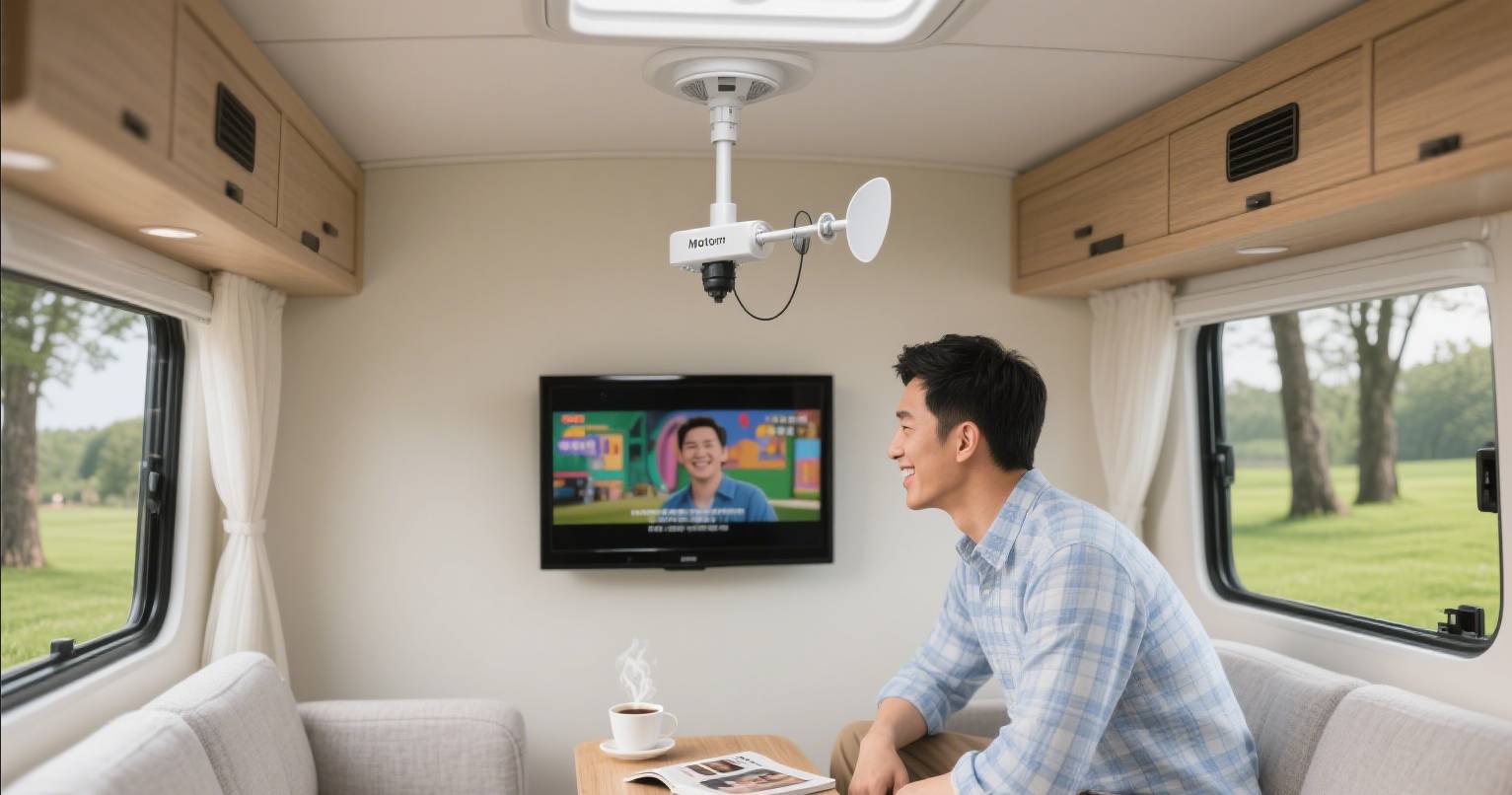
A must-have for travelers, the best RV TV antenna combines portability, ease of mounting, and dual-use capability — pulling in OTA signals while optionally integrating a Wi-Fi extender for campground connectivity.

Real-World Use Cases
Home Attic Setup in Texas
A homeowner in Austin installed the best attic TV antenna to avoid drilling into the roof. Positioned with a signal meter, the antenna received 40+ channels including local sports and PBS.
Cross-Country RV Adventures
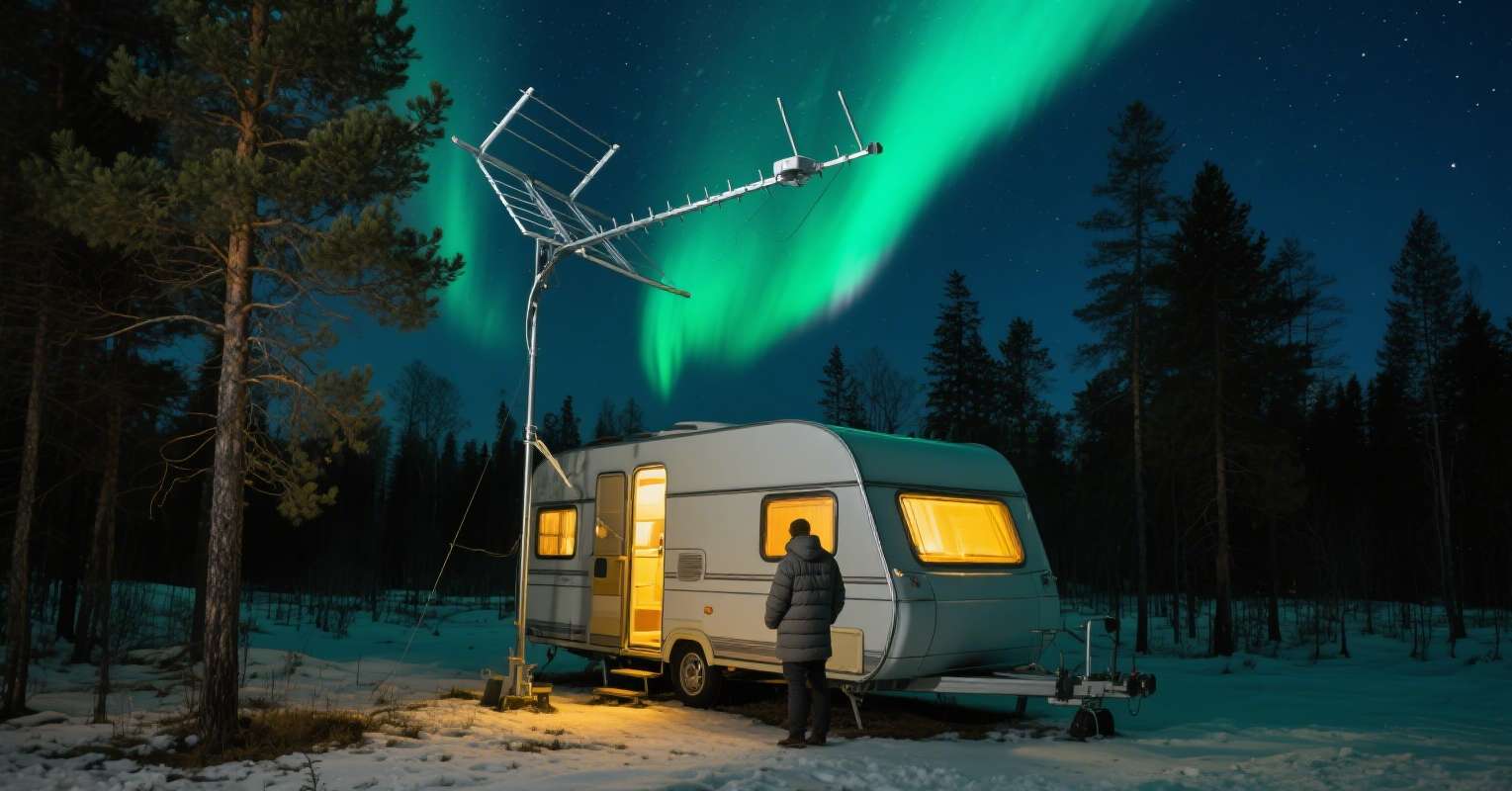
A couple from Oregon equipped their camper with the best RV TV antenna, giving them consistent reception of network stations across multiple states. They also used a separate Wi-Fi booster for better campground connectivity.
Streaming vs. OTA in Urban Apartments
In a Chicago high-rise, a user combined a WiFi TV antenna (used for streaming) with a small window-mounted OTA antenna to balance between online content and free broadcast channels.

Final Thoughts: Choosing the Right Antenna
If you're looking for free local TV channels, a TV antenna — indoor, attic, or outdoor — is your solution. For wireless internet, especially to stream Netflix or YouTube, a Wi-Fi antenna or extender is the tool you need.
Make sure not to fall for marketing hype around “WiFi TV antennas” unless you're aware of their dual-purpose limitations. In most cases, you’ll benefit from separating TV signal reception and internet connection tools.
Expert Tip from SHEN ZHEN QIYUNTONG ELECTRONIC TECHNOLOGY CO., LTD.
With over 20 years of experience in manufacturing hardware and television reception components, SHEN ZHEN QIYUNTONG ELECTRONIC TECHNOLOGY CO., LTD. offers advanced antenna solutions designed for durability, performance, and compatibility.
What We Offer:
-
OEM/ODM services for custom applications
-
Best RV TV antennas with both OTA and internet integration
-
Best attic TV antennas with high signal sensitivity and weather resistance
-
Distribution across the U.S., Europe, Japan, and Southeast Asia
Whether you are upgrading your home setup or optimizing TV access on the road, we offer tailored antenna solutions that deliver reliability and performance.
FAQ – Frequently Asked Questions
Q1: Can a Wi-Fi antenna pick up TV signals?
No. Wi-Fi and TV signals operate on different frequencies and require separate antennas.
Q2: What is a WiFi TV antenna?
This typically refers to an antenna with both OTA TV reception and Wi-Fi extension functions. Check product details carefully before buying.
Q3: Is attic installation better than rooftop?
Attic installations are easier and hidden, but may result in slightly weaker signal than outdoor mounts. Use the best attic TV antenna for optimal results.
Q4: Do RV antennas support both TV and Wi-Fi?
Some models do. However, it’s often more effective to use a dedicated best RV TV antenna for channels, and a separate Wi-Fi booster.
Q5: Can I stream TV without a TV antenna?
Yes, with a good internet connection, you can stream TV via Wi-Fi. But if you want free local channels, you still need a TV antenna.
Do TV Antennas Work in Rural Areas?
Can I Use My Satellite Dish as a TV Antenna?
Related Article