Why Your Digital Antenna Outdoor Antenna Isnt Working-and How to Fix It
Introduction: When Outdoor Antennas Disappoint
In the age of cord-cutting, more households are turning to the convenience and cost-efficiency of free over-the-air TV. The digital antenna outdoor antenna offers a powerful solution for accessing high-definition channels without expensive subscriptions. Yet, many users report sudden signal loss, channel dropouts, or inconsistent reception. Why does this happen?
If your antenna was working fine and suddenly stopped, or it never worked properly from the start, the issue might not lie in the device itself. From signal interference to poor installation, several culprits could be at play. This article explores why your digital antenna outdoor antenna may not be performing as expected—and what you can do to fix it.
Common Reasons Your Outdoor Digital Antenna Fails
If you’ve invested in a high-quality digital antenna outdoor antenna and still experience poor reception, pixelated images, or missing channels, you’re not alone. These issues are far more common than you might think, and in most cases, the antenna itself is not the problem. The root causes often lie in installation errors, environmental obstacles, or outdated equipment. Understanding these factors can help restore your viewing experience without replacing the entire system.
1. Incorrect Placement or Orientation
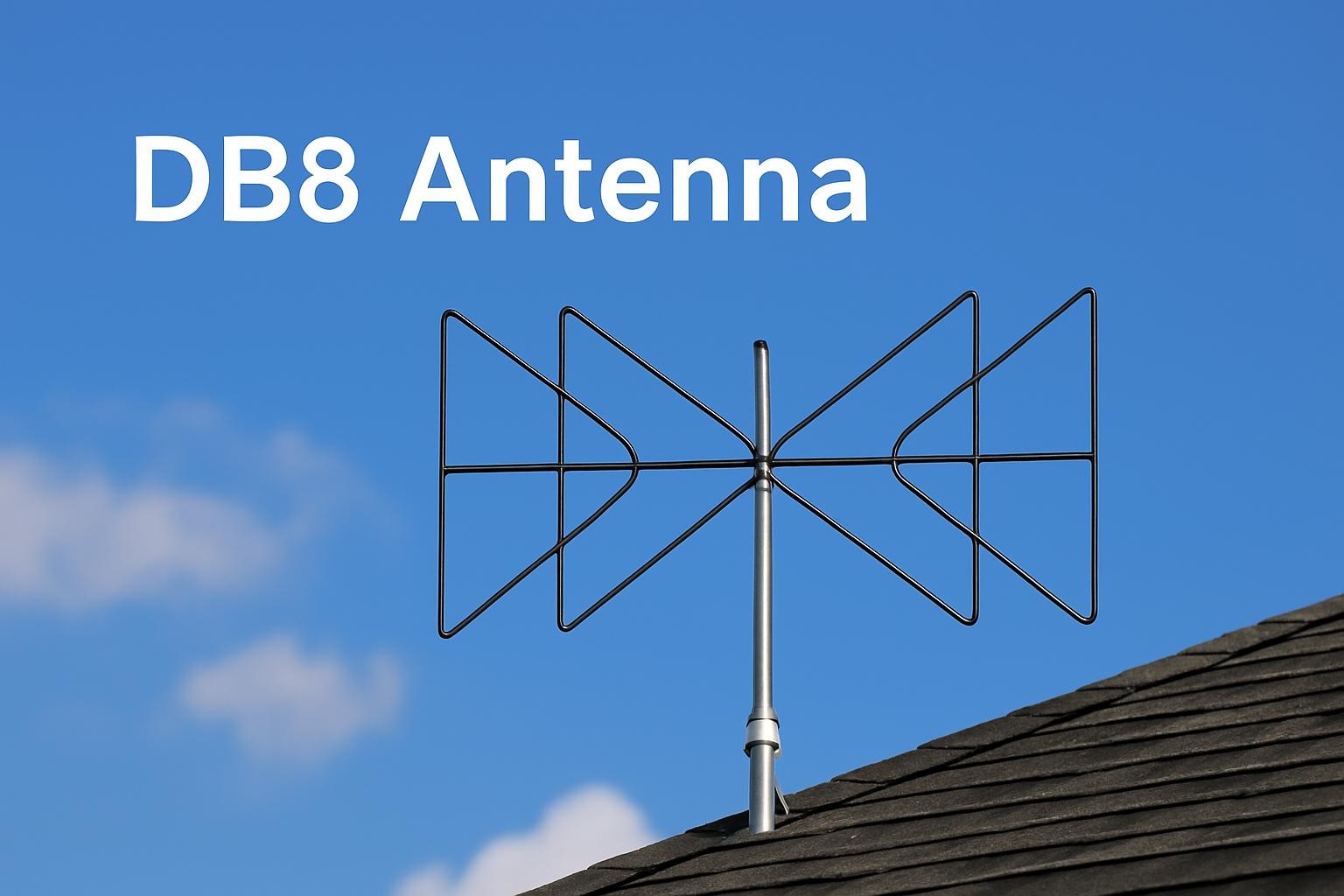
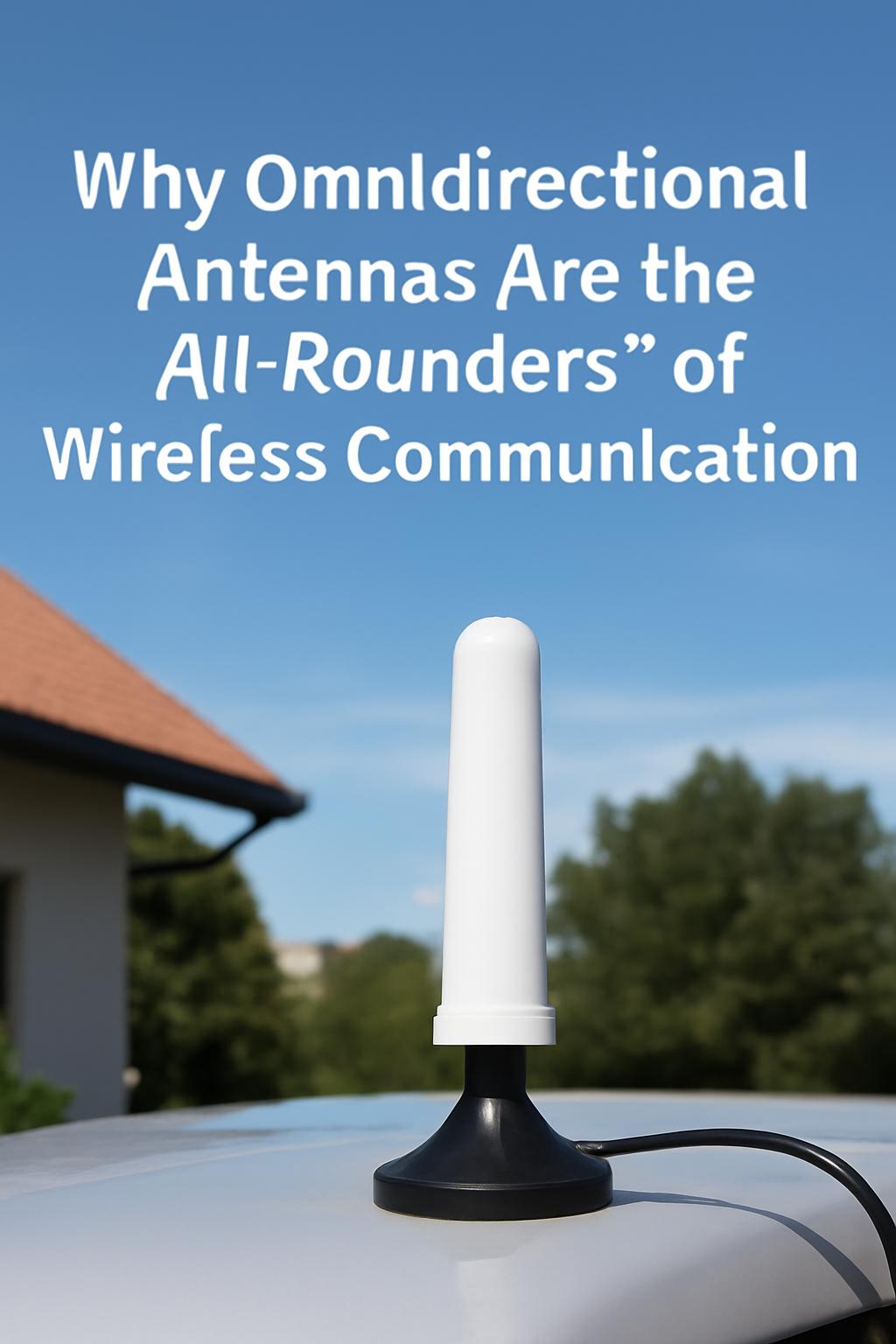
A digital antenna depends on a clear line-of-sight path to local broadcast towers. If your antenna is installed on the wrong side of your home, behind a wall, or near large obstructions like trees or buildings, your signal will be significantly weakened. Ideally, a digital antenna outdoor antenna should be mounted on the roof or an exterior wall facing the tower. Omnidirectional models can help in areas with multiple tower directions, but directional antennas require precision for optimal performance.
2. Low-Quality or Damaged Coaxial Cable
Even if the antenna is working perfectly, signal degradation can occur through old or poor-quality coaxial cables. Thin, outdated cables like RG59 are not sufficient for modern digital transmission. Upgrading to a high-shielded RG6 cable can significantly improve reception. Also, inspect all connections and joints—any corrosion or loose fittings can lead to signal loss.
3. Absence or Misuse of Signal Amplification
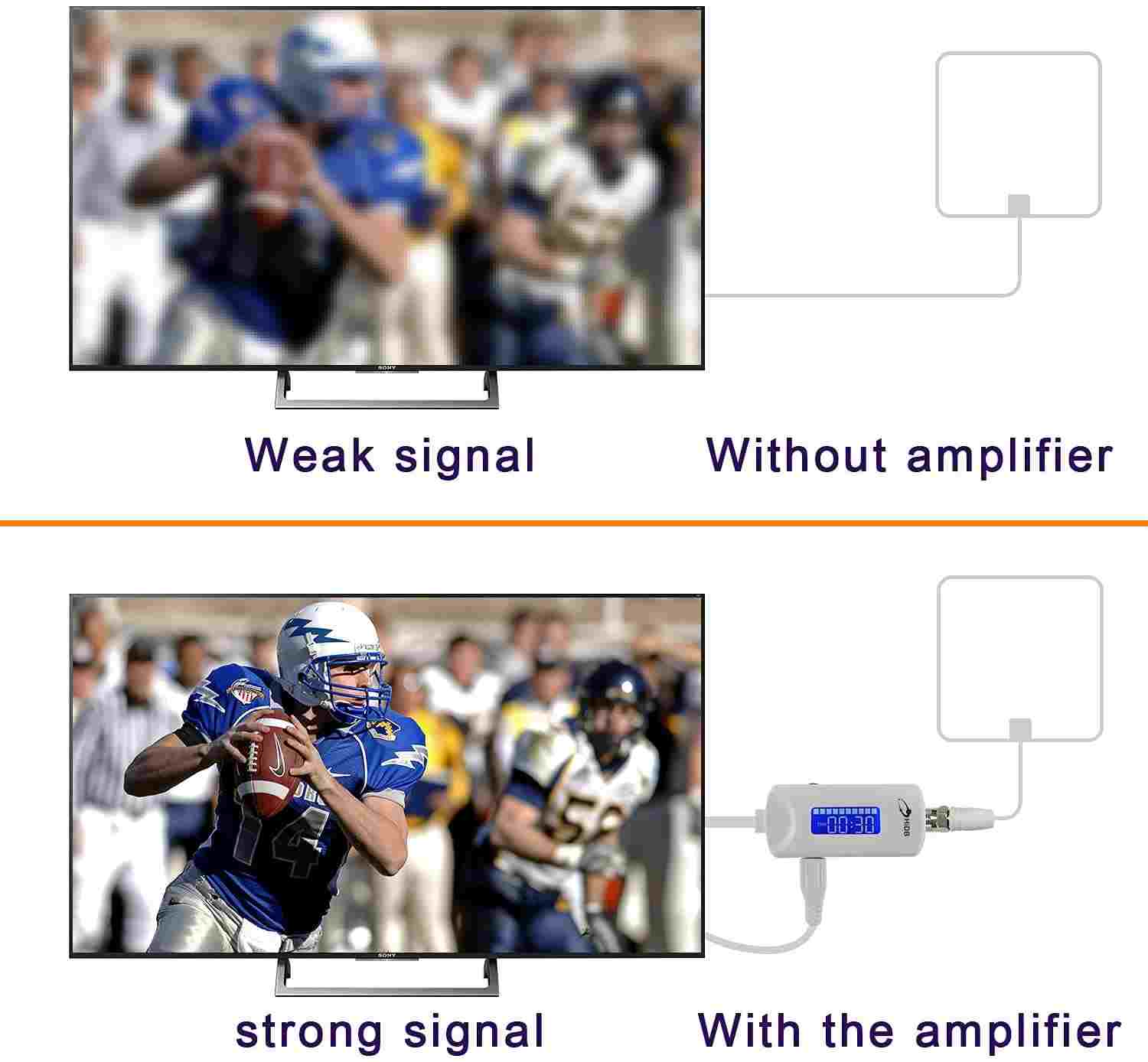
A common misconception is that an amplifier can solve all reception issues. While a signal booster can help in areas with weak broadcast signals or long cable runs, it cannot compensate for a poorly located antenna. Worse, over-amplification can lead to signal distortion, especially if you are close to a strong tower. Choose a low-noise preamplifier only if your distance from the tower exceeds 50 miles or your cable run is longer than 75 feet.
4. Environmental and Weather Disruptions
Weather can play a significant role in how well your digital antenna outdoor antenna functions. Heavy rain, snowfall, or strong winds can interfere with reception—especially for UHF signals. Seasonal changes like tree foliage can also affect signal strength. Ensuring your antenna is securely fastened and weatherproofed helps maintain performance year-round.
5. Failure to Rescan Channels After Installation
Many users forget a crucial step after installing or adjusting their antenna: rescanning for channels. Your television’s internal tuner needs to update its channel map to reflect any change in signal strength or direction. Without this, you may miss out on new stations or think your antenna isn’t working when, in fact, it’s picking up more signals than your TV is programmed to recognize.
Pro Tip: Use tools like the FCC DTV Reception Map or AntennaWeb to locate the nearest transmission towers and verify the direction and signal strength before installation.
Can You Install a Digital Antenna Outside? Absolutely—Here’s How
One of the most effective ways to ensure your digital antenna outdoor antenna performs at its best is to install it in the right environment—and there’s no better place than outdoors. Outdoor installation gives your antenna direct exposure to broadcast signals without interference from interior walls, insulation, or electronic devices that commonly hinder reception indoors.
Why Outdoor Antennas Outperform Indoor Models
The biggest advantage of a digital antenna outdoor antenna is line-of-sight access to transmission towers. Indoor installations—especially those inside walls or attics—often suffer from signal reflection and absorption, especially from metal-backed insulation, bricks, or concrete. In contrast, rooftop or wall-mounted antennas receive cleaner, stronger signals that result in more channels and better picture quality.
Furthermore, outdoor antennas are generally larger and designed with higher-gain elements, enabling them to pick up both UHF and VHF signals more effectively. This means you’re more likely to receive distant or low-powered stations that might be invisible to compact indoor models.
Best Practices for Installing Your Outdoor Antenna
When setting up your digital antenna outdoor antenna, location and mounting angle are critical. Start by identifying the direction of local broadcast towers using tools like AntennaWeb or the FCC Reception Map. This will help you determine whether a directional or omnidirectional antenna is more suitable.
Here are key tips for successful installation:
-
Go high: Mount your antenna on the roof, chimney, or a dedicated mast for maximum elevation.
-
Avoid obstacles: Keep the antenna away from trees, neighboring buildings, and power lines.
-
Weatherproof wisely: Choose an antenna with UV-resistant and waterproof materials. Seal cable entry points to prevent moisture ingress.
-
Use high-quality cables: Stick with RG6 coaxial cables to ensure strong signal transfer and reduce interference over long runs.
-
Ground your system: To protect both your antenna and home from lightning, proper grounding is essential and often required by local codes.
If rooftop installation isn't feasible, a high-gain digital antenna outdoor antenna can also be mounted in an attic—just be sure the attic isn’t lined with reflective foil or dense insulation that could hinder reception.
Attic Installation: A Viable Secondary Option
While outdoor placement is ideal, attic installation can work under the right conditions. Many modern antennas, especially those from premium manufacturers, are compact and light enough for attic mounting without sacrificing too much performance—particularly in suburban settings where towers are relatively close.
Just remember that attic installs often require more fine-tuning and amplification than outdoor ones. You may also need to reposition the antenna periodically as surrounding foliage or weather conditions change.
Expert Tip: A rotator mount can be a worthwhile upgrade for your digital antenna outdoor antenna, especially in rural or mixed-coverage areas. This allows you to remotely adjust the antenna’s direction to target different broadcast zones.
SHEN ZHEN QIYUNTONG ELECTRONIC TECHNOLOGY CO., LTD. — High-Performance Antennas You Can Count On
In today’s competitive marketplace, choosing the right digital antenna outdoor antenna goes beyond aesthetics or price—it’s about performance, reliability, and trust in the manufacturer. That’s where SHEN ZHEN QIYUNTONG ELECTRONIC TECHNOLOGY CO., LTD. stands out.
With over 20 years of experience in antenna design and development, SHEN ZHEN QIYUNTONG is a globally trusted OEM/ODM provider, delivering cutting-edge solutions to customers across the United States, Europe, Japan, and Southeast Asia. Our engineering team combines deep industry knowledge with a commitment to innovation, ensuring our products meet the highest international standards for performance and durability.
Product Advantages Tailored for Real-World Performance
When your outdoor antenna suddenly stops working, it often comes down to poor design or substandard materials. At QIYUNTONG, we solve that problem at the source—by engineering antennas that perform reliably across all environments, from suburban rooftops to rural hillsides.
Here’s what makes our digital antenna outdoor antenna lineup different:
-
True Long-Range Reception: Our directional and omnidirectional antennas support reception ranges of 60–150 miles under real conditions, including mountainous and low-signal areas.
-
All-Weather Durability: Made with UV-resistant polymers, anti-corrosive aluminum elements, and IP-rated waterproof housing, our antennas are built to last—even in extreme climates.
-
VHF/UHF Compatibility: Designed to receive both high-VHF and UHF bands, ensuring a broader range of free-to-air channels, including news, sports, and local content.
-
HDTV & 4K Ready: Our antennas support Full HD and 4K-ready signals with minimal interference, making them future-proof as broadcast standards evolve.
-
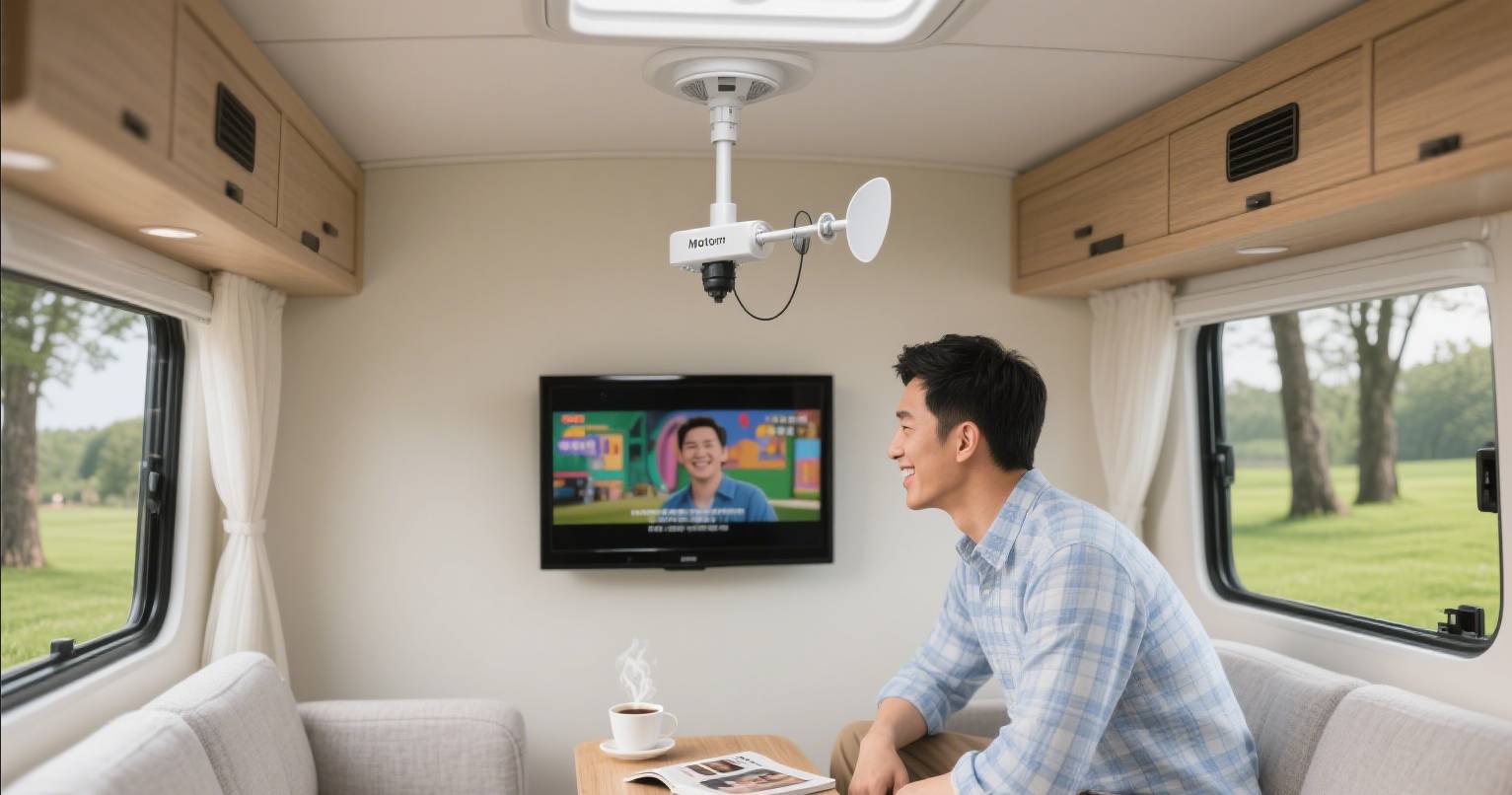
Simple Installation: Whether you’re mounting on a rooftop, attic, RV, or pole, our antennas come with universal mounting kits, clear manuals, and optional built-in signal amplifiers for plug-and-play use.
Application Scenarios: Residential and Mobile Use
Our antennas are trusted by a wide variety of users:
-
Homeowners in Rural and Suburban Zones who want access to major networks like ABC, NBC, CBS, FOX, and PBS—without the monthly fees.
-
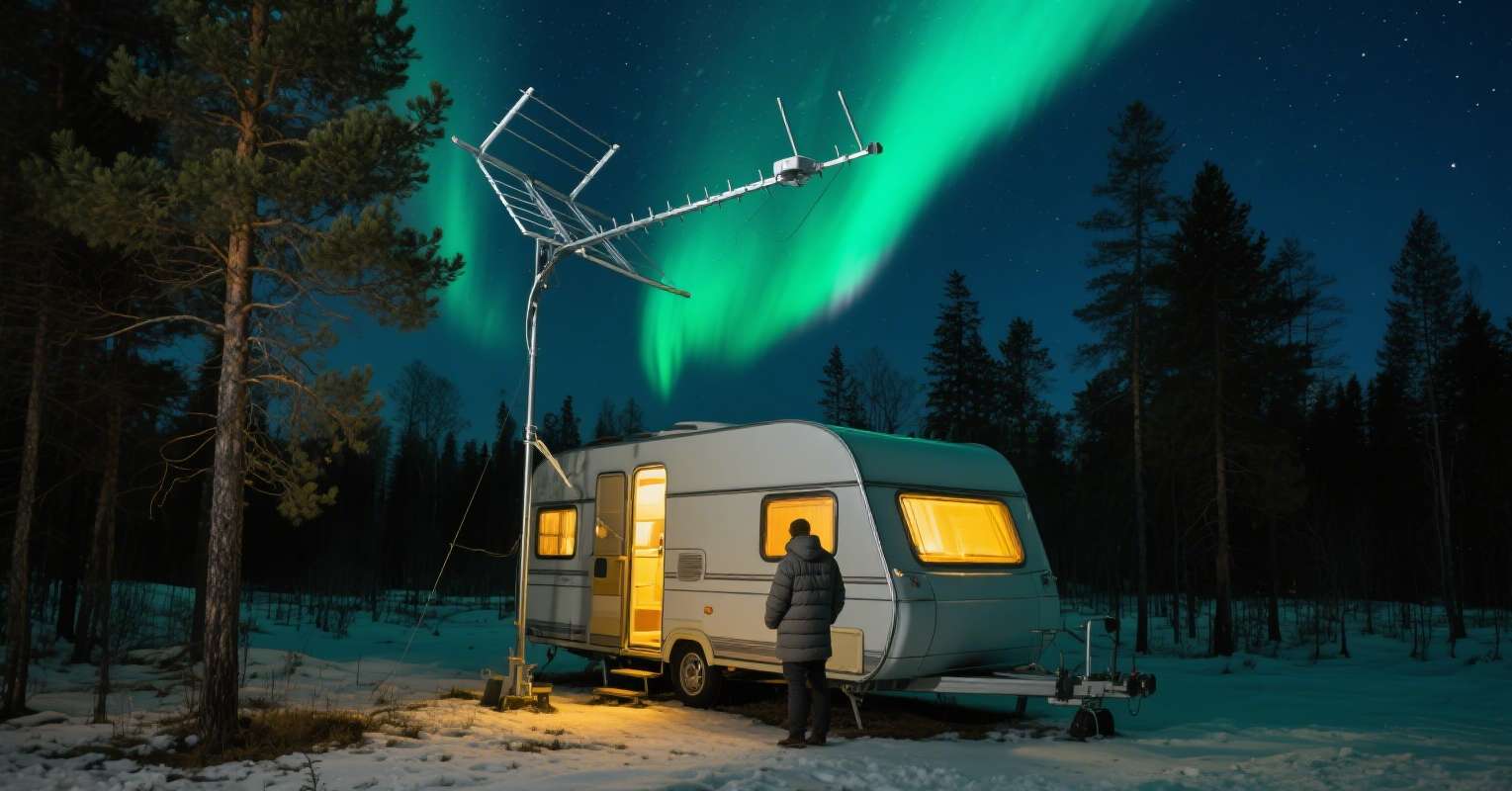
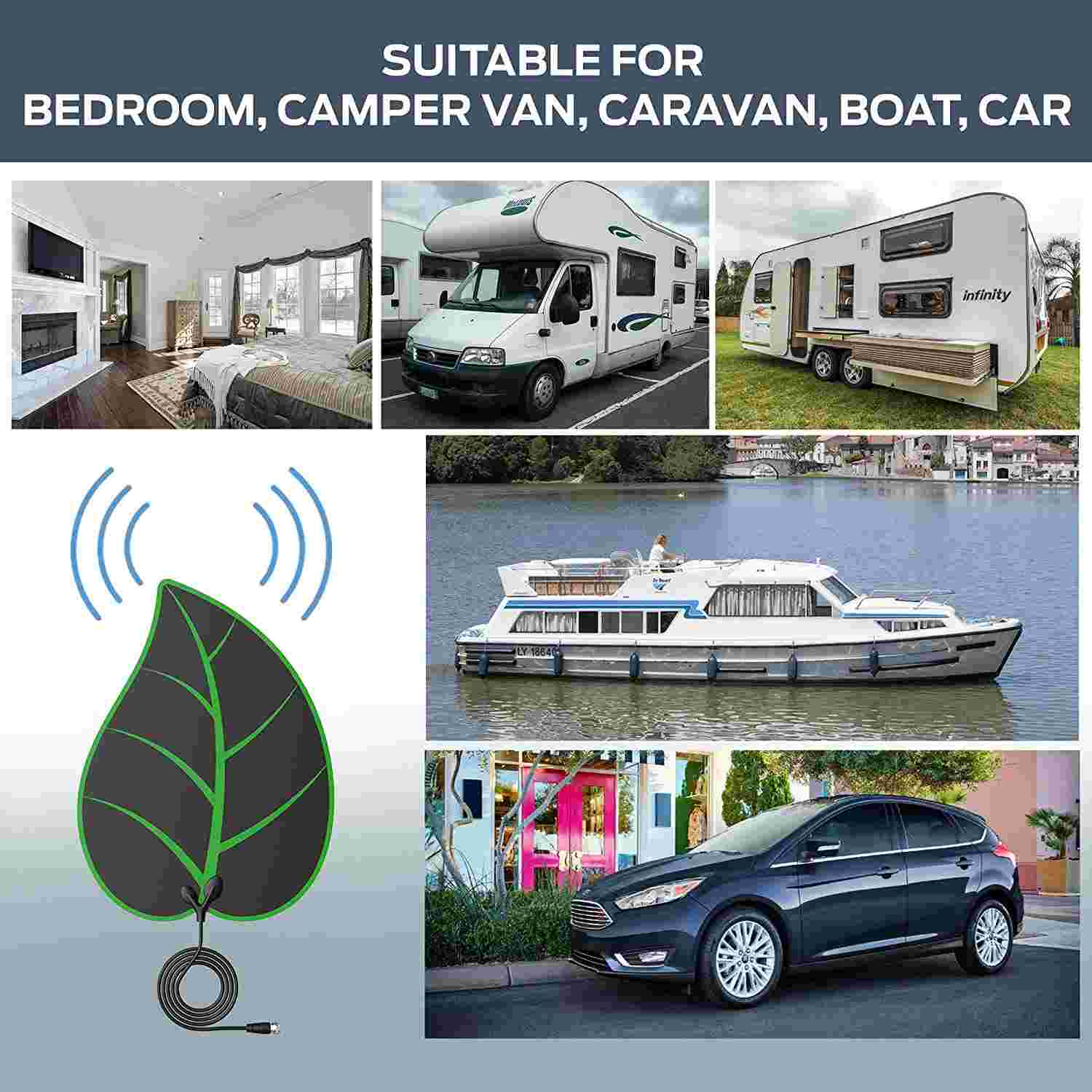
RV Travelers and Campers who rely on mobile-friendly models that are compact, easy to deploy, and weather-tolerant.
-
Distribution Partners and Installers looking for a scalable, quality-assured product line to serve regional or international markets.
Whether you're upgrading your personal system or sourcing for a retail network, SHEN ZHEN QIYUNTONG ELECTRONIC TECHNOLOGY CO., LTD. offers not just equipment, but expertise. We also provide custom branding, bulk manufacturing, and technical consultation services tailored to your project’s unique needs.
Get in touch with us today to learn more about our product lines or to discuss a custom antenna solution.
Troubleshooting and Fixing a Non-Responsive Outdoor Antenna
When your digital antenna outdoor antenna stops working—suddenly or intermittently—it can be incredibly frustrating, especially if you rely on over-the-air channels for your daily news, entertainment, or weather updates. Fortunately, many of the most common issues are fixable without needing to replace the entire setup. In this chapter, we’ll guide you through a step-by-step process to diagnose and resolve the problem.
Step 1: Check the Obvious First
Before you dive into tools or software diagnostics, start with the basics:
-
Power Supply: If your antenna or signal booster has an external power source or USB amplifier, make sure it’s plugged in and receiving power.
-
Cable Connections: Loose or corroded coaxial cable connectors are a common reason for signal drop. Tighten all connectors and visually inspect for rust, cracks, or frays.
-
TV Input Settings: Double-check that your TV is set to the correct input (usually “Antenna” or “Air,” not HDMI or AV).
Step 2: Perform a Full Channel Rescan
TV stations may change frequencies periodically (a process known as “repacking”), especially in the U.S. after the FCC spectrum auction. If you haven’t rescanned in a while, your TV may no longer detect channels that have moved.
Go to your TV’s settings and run a full channel scan. This often restores missing stations after storms or maintenance work on towers.
Step 3: Inspect the Antenna Placement and Orientation
A digital antenna outdoor antenna must have a clear line of sight to the broadcast tower. Even small shifts in angle or new obstructions (e.g., tree growth, building construction) can impact performance.
-
Use AntennaWeb or FCC’s DTV Map to confirm tower direction.
-
If necessary, adjust the mounting angle and test reception again after each movement.
Step 4: Test the Coaxial Cable and Splitters
If you’re using a splitter to serve multiple TVs, try removing it temporarily. Splitters often cause signal loss—especially if they're low quality or not powered. Also, test a different coaxial cable to rule out internal damage that could be impeding signal flow.
Step 5: Consider Signal Amplification
If your antenna is installed correctly but you still receive a weak signal, a signal booster (also called a preamplifier) might be necessary—especially if your cable run exceeds 50 feet. Just ensure you're not already close to a strong tower, as amplifiers can distort signals when overused.
Pro Tip: If all else fails, try testing your digital antenna outdoor antenna on another TV or at a friend’s house. This will help determine whether the issue lies with the antenna or your home setup.
Conclusion: How to Keep Your Outdoor Antenna Running Smoothly
The frustration of a non-working digital antenna outdoor antenna is understandable—especially when you've installed the equipment correctly and still can't access your favorite channels. But as we’ve seen, most reception problems stem from small but impactful issues: poor placement, outdated cables, lack of rescanning, or environmental interference.
With the right installation, occasional maintenance, and reliable components like signal amplifiers and weather-resistant materials, your antenna can deliver crystal-clear HDTV reception for years to come—no contracts, no monthly bills.
Most importantly, always choose antennas from reputable manufacturers such as SHEN ZHEN QIYUNTONG ELECTRONIC TECHNOLOGY CO., LTD. who back their products with real-world engineering and customer support. That’s how you ensure long-term performance and peace of mind.
If your signal problems persist even after troubleshooting, consider upgrading your equipment or consulting a local antenna installer. And don’t forget—periodic rescanning is essential as the digital broadcast landscape evolves.
FAQ: Digital Antenna Outdoor Antenna Problems Solved
Q1: Why did my digital antenna stop working overnight?
There may have been a broadcast tower adjustment, weather interference, or a power issue with your amplifier. Begin with a channel rescan and check your antenna’s power and connections.
Q2: Can weather affect outdoor antenna reception?
Yes. Rain, snow, and high winds can all interfere with reception—especially for UHF signals. Proper weatherproofing and stable mounting are key for maintaining signal stability.
Q3: How do I know if my digital antenna outdoor antenna is installed correctly?
Use signal locator tools like AntennaWeb to determine optimal orientation. An outdoor antenna should be elevated with minimal obstructions and secured using high-quality mounting hardware.
Q4: Does a signal amplifier help if I already live near a tower?
Not always. In fact, amplifiers in strong-signal areas can cause signal overload and distortion. They're best suited for long cable runs or distant/rural installations.
Q5: How long does a digital outdoor antenna typically last?
High-quality antennas like those from SHEN ZHEN QIYUNTONG can last 5–10 years or more, especially if they're made from corrosion-resistant and UV-protected materials.
Need more help?
Contact SHEN ZHEN QIYUNTONG ELECTRONIC TECHNOLOGY CO., LTD. for expert support or custom antenna solutions tailored to your location and viewing needs.
Does Weather Affect Your Long Distance Digital Antenna
The Science Behind Long Range Antennas for Digital TV Explained Simply
Related Article