VHF vs UHF Antennas-Which One Works Best for Your Digital TV Setup
Introduction
In today’s digital entertainment era, the choice of the right TV antenna plays a crucial role in determining how many channels you can access, the quality of reception, and the consistency of viewing experience. Many households still struggle with the question of whether a VHF UHF antenna is necessary, and which one is better suited for their digital antenna setup. With the transition to digital broadcasting, understanding the fundamental differences between VHF (Very High Frequency) and UHF (Ultra High Frequency) has become essential for anyone who wants clear, stable, and high-definition television.
This article explores the distinctions between the two types of antennas, evaluates their advantages, and explains how combining VHF and UHF technology can maximize your digital antenna performance. Later, we will also introduce premium solutions from SHEN ZHEN QIYUNTONG ELECTRONIC TECHNOLOGY CO., LTD., a trusted manufacturer in the global antenna industry, helping customers enhance their TV experience with innovative reception technology.

Understanding VHF and UHF Antennas
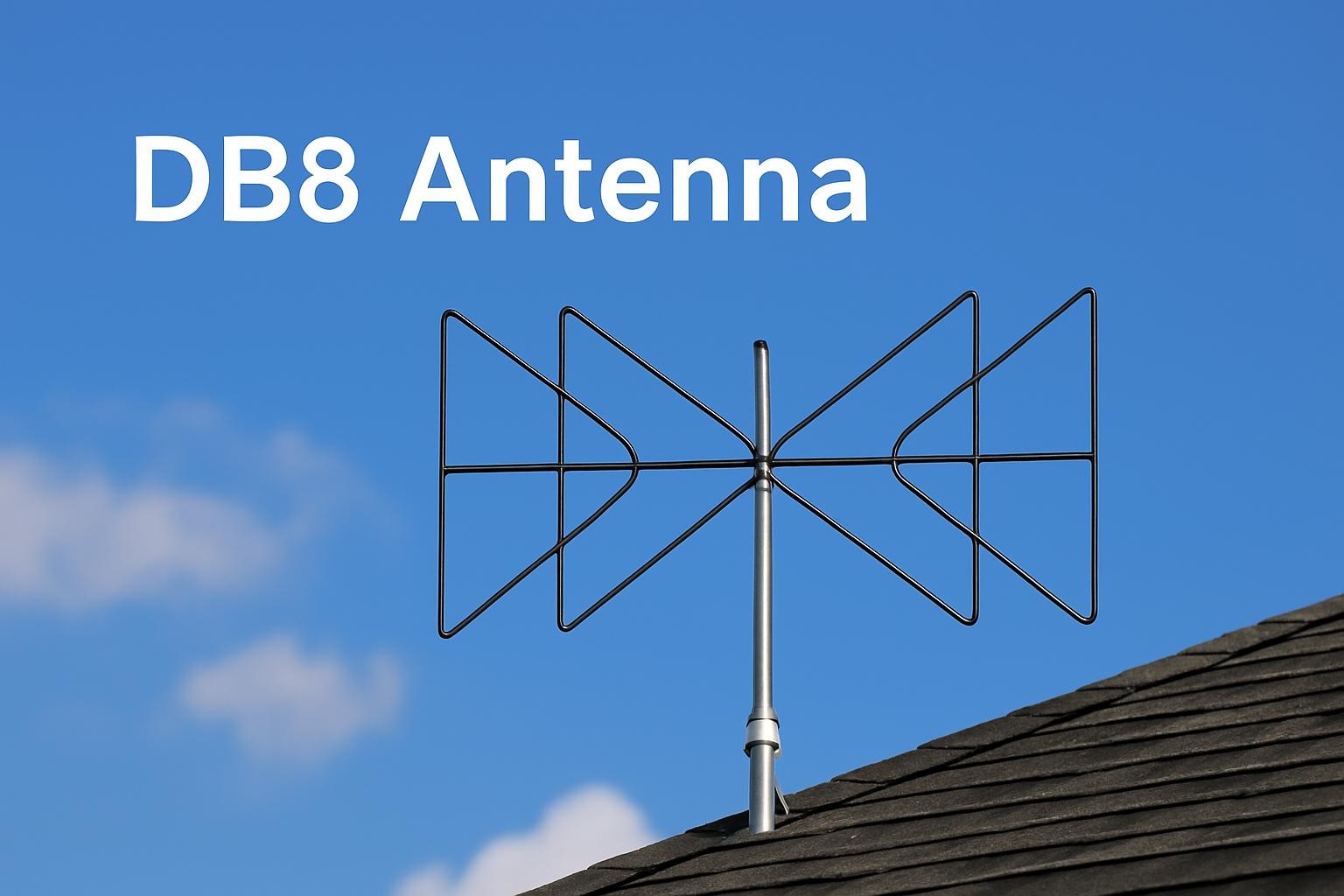
When choosing between VHF and UHF antennas, it is important to first understand how each frequency band works. VHF antennas operate within the 30 MHz to 300 MHz range, typically covering channels 2 to 13 in traditional broadcasting. They are well-known for their longer wavelengths, which enable them to travel over greater distances and penetrate through obstacles like trees or buildings. This makes VHF particularly effective in rural or suburban areas where transmitters may be far away.
On the other hand, UHF antennas function within the 300 MHz to 3 GHz range, covering higher-numbered channels (14 to 51 in most digital TV systems). While UHF signals do not travel as far as VHF, they are capable of transmitting a larger amount of data, which directly translates into high-definition content, multi-channel audio, and advanced broadcasting services. This makes UHF antennas the preferred choice in urban environments, where stations are closer, and high-definition broadcasting is the norm.
For modern digital antenna setups, broadcasters often use a mix of both VHF and UHF frequencies. This means relying on a single-band antenna can limit your access to channels. As a result, a VHF UHF antenna combination provides the most comprehensive reception, ensuring that no matter where you live, you can access both local and national broadcasts with minimal interference.

Why Your Digital TV Setup Needs a VHF UHF Antenna
A common misconception is that digital television only relies on UHF frequencies. While many digital broadcasts do indeed favor UHF due to its efficiency in delivering high-definition content, a significant number of stations worldwide continue to use VHF frequencies. Ignoring one frequency band can mean losing out on essential free-to-air channels.
A VHF UHF antenna ensures a more reliable and complete television experience. Instead of switching between antennas or dealing with missing channels, users can enjoy seamless access across the full frequency range. This is particularly beneficial for households located between urban and rural zones, where both VHF and UHF signals might be in play.
Additionally, signal stability is greatly improved when both frequency ranges are supported. VHF’s strength in distance reception complements UHF’s strength in delivering high-definition content. When combined in one antenna system, they guarantee clearer picture quality, stronger resistance to weather interference, and fewer interruptions during peak broadcasting hours.
In short, for anyone upgrading to a digital antenna system, choosing a model that integrates both VHF and UHF technology ensures maximum performance, complete channel coverage, and an overall enhanced viewing experience.
Premium VHF UHF Antenna Solutions by SHEN ZHEN QIYUNTONG ELECTRONIC TECHNOLOGY CO., LTD.
As one of the leading innovators in digital antenna technology, SHEN ZHEN QIYUNTONG ELECTRONIC TECHNOLOGY CO., LTD. has built a global reputation for delivering antennas that combine long-distance reception, signal stability, and cutting-edge design. With years of experience in research, development, and manufacturing, the company offers a comprehensive range of products designed to meet the diverse needs of households and commercial users worldwide.
Their VHF UHF antenna solutions are engineered with advanced materials and circuitry to minimize signal loss and maximize reception range. Unlike traditional single-band antennas, QIYUNTONG’s digital antennas are optimized to capture both VHF and UHF signals simultaneously, ensuring users do not miss out on essential local channels or premium HD broadcasts.
Key product benefits include:
-
Long-range reception that ensures clear signal quality even in remote or suburban areas.
-
High-definition compatibility, delivering crystal-clear pictures and immersive audio.
-
Sturdy, weather-resistant designs that guarantee consistent performance under varying environmental conditions.
-
Easy installation tailored for modern households, requiring minimal technical knowledge.
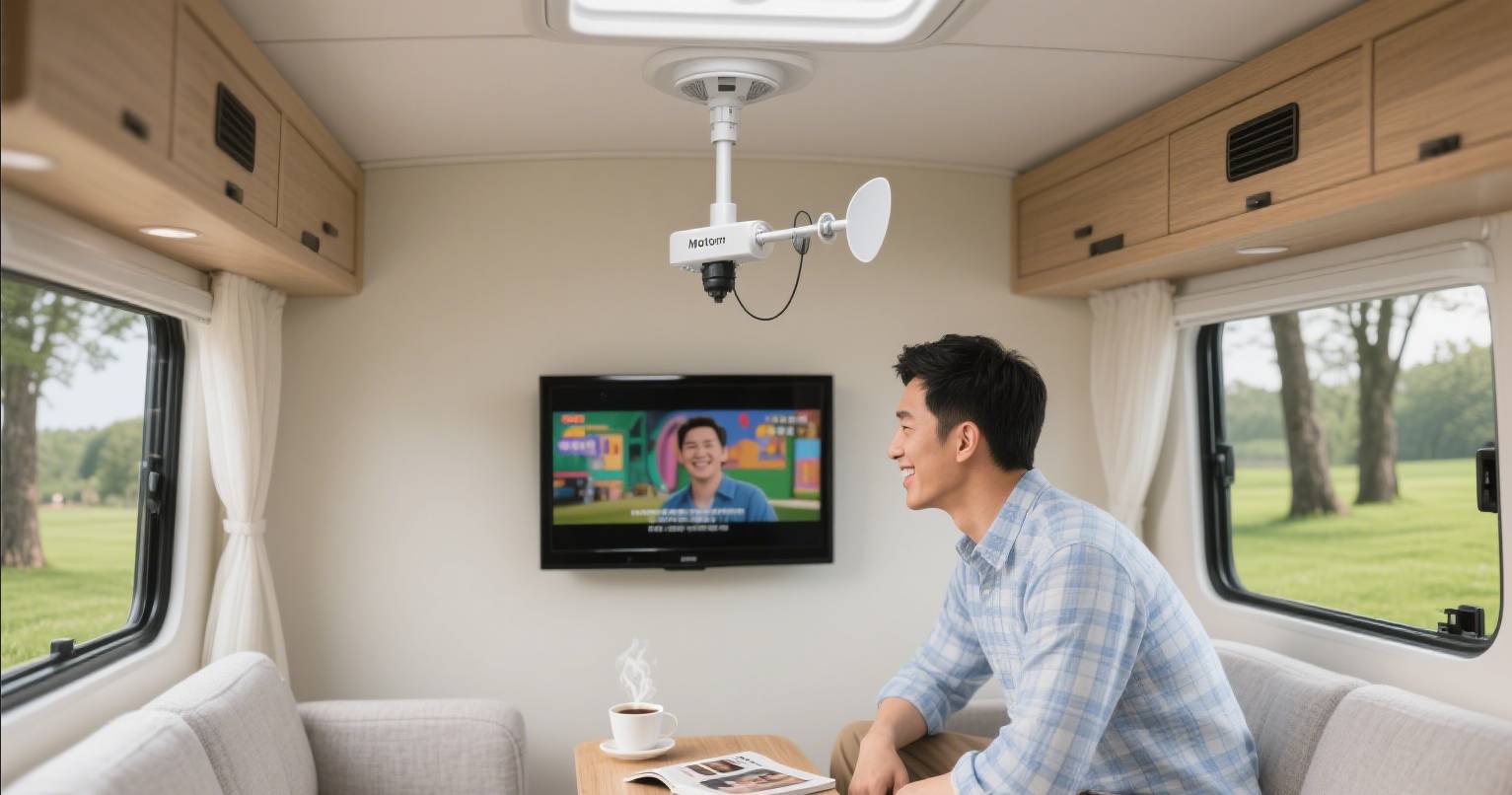
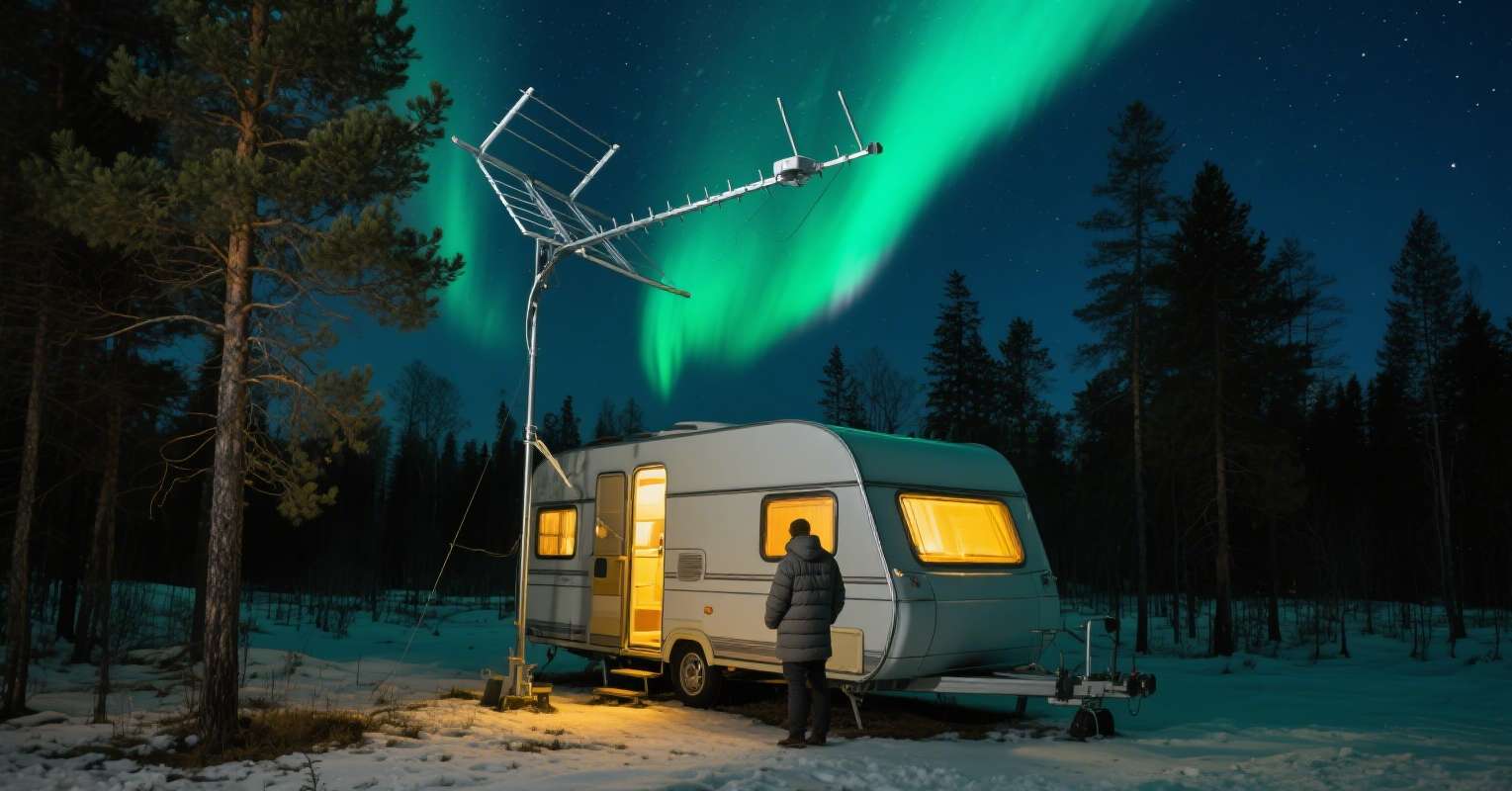
For homeowners, RV travelers, and even commercial applications, QIYUNTONG’s digital VHF UHF antennas stand out as the ideal solution to achieving uninterrupted, high-quality free-to-air television. By combining functionality with reliability, the company continues to lead the industry in providing innovative reception technology worldwide.

How to Optimize Your VHF UHF Digital Antenna Setup
While choosing the right antenna is crucial, optimizing its placement and setup can significantly improve performance. To make the most of your VHF UHF antenna, follow these practical guidelines:
1.Correct Placement – Install the antenna in a high location with minimal obstructions. Rooftops or attic spaces often provide the best reception.
2.Pointing Direction – Align the antenna toward the nearest broadcast tower. Using online tools or mobile apps can help identify the correct direction.
3.Use of Amplifiers – In areas with weak signals, a TV antenna signal amplifier can enhance reception and reduce channel dropout.
4.Regular Scanning – Re-scan your TV channels every few months to ensure you are receiving new or updated broadcasts.
5.Weather Considerations – Ensure your antenna is weatherproofed or securely mounted to prevent interference from storms or high winds.
By following these steps, you can maximize the performance of your digital antenna, ensuring a stable and high-quality television experience for years to come.
FAQ Section
Q1: Do I need both VHF and UHF antennas for digital TV?
A: Yes, since broadcasters use both frequency ranges, a VHF UHF antenna ensures complete channel coverage and prevents missing important broadcasts.
Q2: Will a VHF UHF antenna work with my existing digital antenna system?
A: Absolutely. Modern digital antennas are designed to integrate VHF and UHF signals seamlessly, making them compatible with most TV setups.
Q3: How can I improve my antenna’s signal reception?
A: Proper placement, correct alignment, and the use of a signal amplifier can significantly improve performance.
Q4: Why choose SHEN ZHEN QIYUNTONG ELECTRONIC TECHNOLOGY CO., LTD.?
A: Because the company specializes in digital VHF UHF antennas with long-range capabilities, strong signal stability, and superior build quality trusted by global users.
How to Optimize TV Viewing in Your Camping Trailer
Boost Your Viewing-Why Every Digital Antenna Needs a TV Antenna Signal Amplifier
Related Article