UHF vs VHF TV Antennas-Whs the Difference and Why It Matters
Why Understanding TV Frequencies Matters in the Antenna World
In today’s digital landscape, cord-cutting continues to rise globally as households seek affordable alternatives to cable and satellite TV. Over-the-air (OTA) broadcasting — which provides access to free channels like ABC, CBS, NBC, and FOX — has gained traction thanks to modern antennas. However, many users are confused when they install a new antenna and still can't receive all available channels. The reason often comes down to one key issue: understanding the difference between UHF and VHF frequencies.
Whether you're installing a rooftop system or placing an indoor device in your attic, knowing how UHF VHF TV antenna systems function can significantly impact the channels you receive and the signal strength you enjoy. In this article, we’ll explore what UHF and VHF mean, how they differ, and which antenna type best suits your home, RV, or rural setup.
Let’s start with the basics: what are VHF and UHF in the context of TV broadcasting?

What Is VHF and UHF in TV Broadcasting?
Television broadcasting in most countries uses two frequency bands: Very High Frequency (VHF) and Ultra High Frequency (UHF). Both bands deliver TV signals, but they differ significantly in terms of transmission characteristics and antenna requirements.
VHF (30 MHz–300 MHz) covers TV channels 2 through 13. These signals travel farther and penetrate obstacles better but require larger antennas due to longer wavelengths.
UHF (300 MHz–3 GHz) encompasses channels 14 to 83, which carry most modern digital HDTV content. These signals support higher resolution and are less prone to noise, though they degrade faster over distance and are more affected by obstructions.
Here’s a key takeaway: many modern antennas focus on UHF, but in regions where VHF broadcasts are still active — such as rural areas or older stations — omitting VHF compatibility means missing vital channels.
Want to check the frequencies of stations in your area? Try these tools:
A quality uhf vhf tv antenna combines both capabilities, ensuring you receive the full channel range without signal gaps — an important point we'll cover further in the next chapter.

UHF vs. VHF Antennas — Key Differences and How to Choose
When choosing the right antenna for your setup, understanding the performance trade-offs between UHF and VHF antennas is essential.
Key Differences:
-
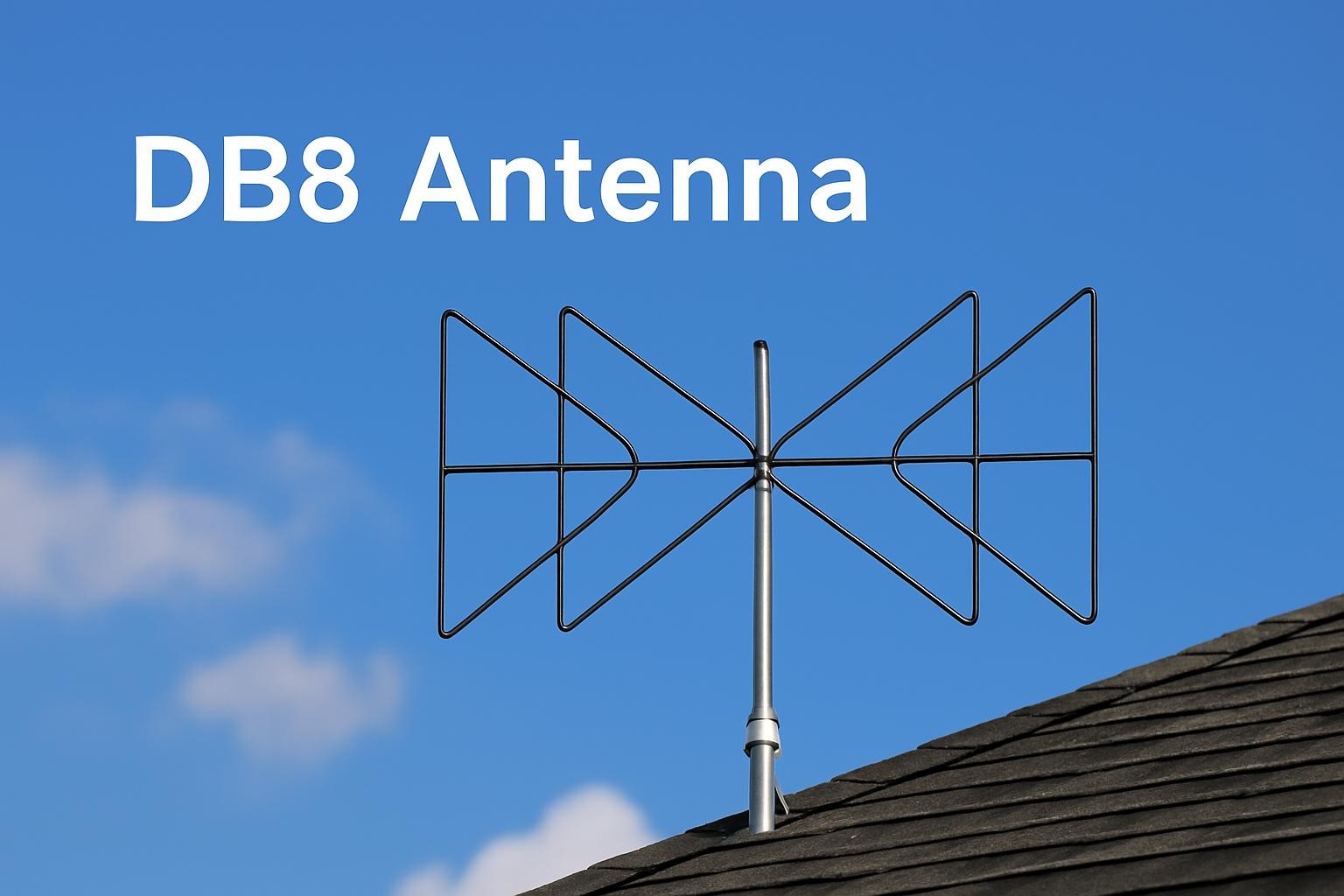
Antenna Design: VHF antennas are typically longer with wider elements, while UHF antennas are more compact. Combo models incorporate both designs or use broadband elements.
-
Reception Range: VHF signals travel farther, but may be less reliable in urban areas with interference. UHF is more suitable for dense cities due to its signal resilience.
-
Broadcast Distribution: In many regions, major networks use UHF for HD content, while local or secondary channels still operate on VHF.
How to Choose:
1.Check Local Broadcast Data: Use tools like AntennaWeb or NoCable to identify the frequency bands used in your area.
2.Determine Mounting Location: Outdoor rooftop setups have the highest success rate. For attics, ensure minimal obstruction and avoid metal-backed insulation.
3.Look for Hybrid Solutions: The most versatile choice is a dual-band uhf vhf tv antenna that can handle both frequency ranges with ease.
4.Consider Amplification: If you're over 40 miles from the broadcast source or have long cable runs, a model with an integrated amplifier may help.
Whether you’re a first-time installer or upgrading an older system, these factors can help you make a smarter buying decision.

Professional UHF/VHF Solutions from SHEN ZHEN QIYUNTONG ELECTRONIC TECHNOLOGY CO., LTD.
As a global leader in antenna manufacturing, SHEN ZHEN QIYUNTONG ELECTRONIC TECHNOLOGY CO., LTD. delivers professional-grade uhf vhf tv antenna solutions trusted by businesses and consumers worldwide. With over two decades of industry experience, we supply OEM and ODM antenna products to clients across North America, Europe, Japan, and Southeast Asia.
Why Our UHF/VHF Antennas Stand Out:
-
True Dual-Band Reception: Our antennas are engineered to receive both VHF and UHF frequencies with high accuracy, ensuring full HDTV channel access across various environments.
-
High-Gain, Long-Range Design: Directional and multidirectional models are available, with ranges of up to 150 miles under optimal conditions.
-
Durable Outdoor Construction: Featuring anti-rust aluminum elements, waterproof casings, and UV-resistant components — perfect for rooftop or attic installations.
-
Easy Integration: Compatible with coaxial systems, DVRs, signal boosters, and other standard hardware. Setup is plug-and-play with most HDTVs.
Serving a Range of Markets:
Whether you are outfitting rural homes, supplying smart home electronics, or selling portable RV solutions, we offer customizable models tailored to your use case.
Contact us today for custom solutions, OEM cooperation, or bulk ordering options.

Installation Tips for Optimal UHF and VHF Reception
Even the best antenna requires a proper setup to perform effectively. Follow these key steps to ensure your uhf vhf tv antenna delivers crystal-clear reception:
1. Mount High, Point Correctly
Install your antenna on the roof or in an attic window with a direct line of sight to transmission towers. Use compass apps or online maps to aim directional models.
2. Scan Your Channels
After connecting the antenna to your TV or converter box, perform a full channel scan. Re-scan periodically, especially after storms or antenna adjustments.
3. Use Quality Cable and Splitters
Opt for RG6 coaxial cable to minimize signal loss. Avoid cheap splitters or long unshielded runs, as they can introduce interference and weaken reception.
4. Shield Against Interference
Keep the antenna away from large metal objects, electrical lines, or Wi-Fi routers, which can cause signal disruption — especially with VHF channels.
5. Maintain Your Antenna
Check your installation seasonally. Clean debris, tighten mountings, and replace weathered cables to maintain peak performance.
With the right location and proper care, a dual-band antenna can provide years of free high-definition TV without the need for cable subscriptions or streaming services.
Conclusion: One Smart Antenna, Two Frequencies — Better TV
Understanding the roles of UHF and VHF frequencies is key to choosing the right antenna and enjoying uninterrupted access to all available channels. While some low-cost options support only one band, a professional uhf vhf tv antenna delivers the flexibility and performance needed in today’s digital broadcast landscape.
For top-tier quality, reliable engineering, and global delivery, SHEN ZHEN QIYUNTONG ELECTRONIC TECHNOLOGY CO., LTD. remains a trusted manufacturer for OEM and retail antenna solutions.
Ready to upgrade? Explore our catalog or request a quote now.
Want to check signal coverage in your area? Visit:
如果你需要我继续为这篇文章生成配图建议(WordPress布局 + Pinterest分享图等),我可以立即帮你生成。是否继续?
Why Your TV Needs an Amplifier for TV Antenna - Especially in Low-Signal Zones
How to Choose the Best Multi-Directional TV Antenna for Your Needs
Related Article