The Ultimate Guide to Long Distance TV Antennas for Digital TV in Remote Areas

Why Long Distance Antennas Matter More Than Ever
In today's increasingly connected world, free over-the-air (OTA) television remains a vital source of entertainment and information—especially in rural and remote regions where cable or internet-based services are limited or unreliable. Long distance TV antennas for digital TV have become a lifeline, offering access to high-definition local news, emergency broadcasts, educational content, and popular entertainment without monthly fees.
But what makes a digital antenna capable of receiving signals across long distances? And how can you ensure you're choosing the right model for your location and viewing habits?
In this comprehensive guide, we'll walk you through the key technical principles behind long-range TV reception, explore what performance you can realistically expect, and provide expert-backed installation tips. Most importantly, we'll introduce you to high-performance solutions from SHEN ZHEN QIYUNTONG ELECTRONIC TECHNOLOGY CO., LTD., designed specifically for demanding reception environments.

Understanding the Capabilities and Limits of Long Range Antennas
The term "long range" is often used generously in antenna marketing—but in technical terms, range is determined by physics, not packaging. Several factors influence how far a digital antenna can receive usable signals:
-
Signal Type: UHF signals (470–700 MHz) are more common and carry high-definition video but are easily blocked by obstacles. VHF signals (54–216 MHz) travel farther and penetrate structures better, but fewer channels use them.
-
Geography and Terrain: Hills, trees, and buildings can degrade or reflect signals, making flat, open areas more antenna-friendly.
-
Antenna Design: Directional antennas generally have longer range than omnidirectional ones, especially when mounted high and pointed precisely at the signal source.
-
Atmospheric Conditions: Weather, humidity, and even solar activity can influence reception quality, especially over 100 miles.
-
Transmission Tower Strength: The power and height of the broadcast tower also affect the range. Some towers transmit with enough power to reach 80–100 miles, but signal degradation is inevitable at extreme distances.
Despite exaggerated claims of “300-mile” or “500-mile” antennas, physics limits realistic reception to about 70–150 miles, depending on conditions. A well-designed long distance TV antenna for digital TV, when installed properly, can still provide exceptional performance far beyond what standard indoor antennas allow.
Expert Answers to Common Long-Range Reception Questions
To fully understand the potential and limitations of your antenna setup, let’s address some frequently asked technical questions:
How many TVs can you run off of one antenna?
With a proper splitter and amplifier, a single outdoor antenna can feed signals to 2 to 4 TVs in a home. However, each split introduces some signal loss, which must be compensated with amplification if cable runs are long.
Do TV antennas work without internet?
Absolutely. Digital TV antennas do not require internet access. They receive OTA signals directly from broadcast towers using RF frequencies. This makes them ideal for remote areas where internet access is costly or unreliable.
How far can you run a TV antenna cable?
Generally, you can run coaxial cable up to 100 feet with minimal signal loss, especially if using RG6 cable. Beyond that, a signal amplifier or distribution amplifier is recommended to preserve quality.
Are longer antennas better?
Yes—in most cases, longer antennas with more elements are better at capturing weak signals. The physical length helps improve gain and directionality, which are critical for long-distance reception.
Do more expensive antennas work better?
Not always. Price does not always correlate with performance. Look for antennas with clear technical specs like gain (dB), frequency range, and noise figure instead of flashy marketing.
What is the lifespan of a digital antenna?
Quality outdoor antennas last 10–15 years if properly installed and weatherproofed. Corrosion-resistant materials like aluminum and UV-stable plastics help extend lifespan.

SHEN ZHEN QIYUNTONG — Your Long Distance Reception Partner
SHEN ZHEN QIYUNTONG ELECTRONIC TECHNOLOGY CO., LTD. is a global manufacturer specializing in long distance digital TV antennas, serving clients across the United States, Europe, Japan, and Southeast Asia. With over 20 years of design and manufacturing expertise, we understand what it takes to deliver strong signal reception—especially in low-signal environments.
What Makes Our Antennas Stand Out?
-
Real 150-Mile Reception: Our directional and high-gain models are laboratory-tested and field-proven to perform across 70–150 miles, with optimized UHF/VHF coverage.
-
Rugged Outdoor Build: Weatherproof, corrosion-resistant, and built with industrial-grade components to withstand snow, heat, wind, and rain.
-
Smart Amplifier Integration: Our preamplifiers filter out noise while boosting signal strength, allowing distribution to multiple TVs without degradation.
-
Easy Mounting and Alignment: Our kits include mounting brackets, RG6 cables, and installation guides. Users can align antennas using tools like FCC DTV Maps.
Whether you're a homeowner, reseller, or project contractor looking for OEM/ODM services, SHEN ZHEN QIYUNTONG offers scalable solutions and technical consulting for robust, long-distance digital TV coverage.
Visit www.szqiyuntong.com or contact our team to request a custom product quote.
How to Maximize Signal Strength in Remote Installations
Once you’ve selected the right antenna, follow these practical steps to ensure consistent reception:
Mount High and Clear
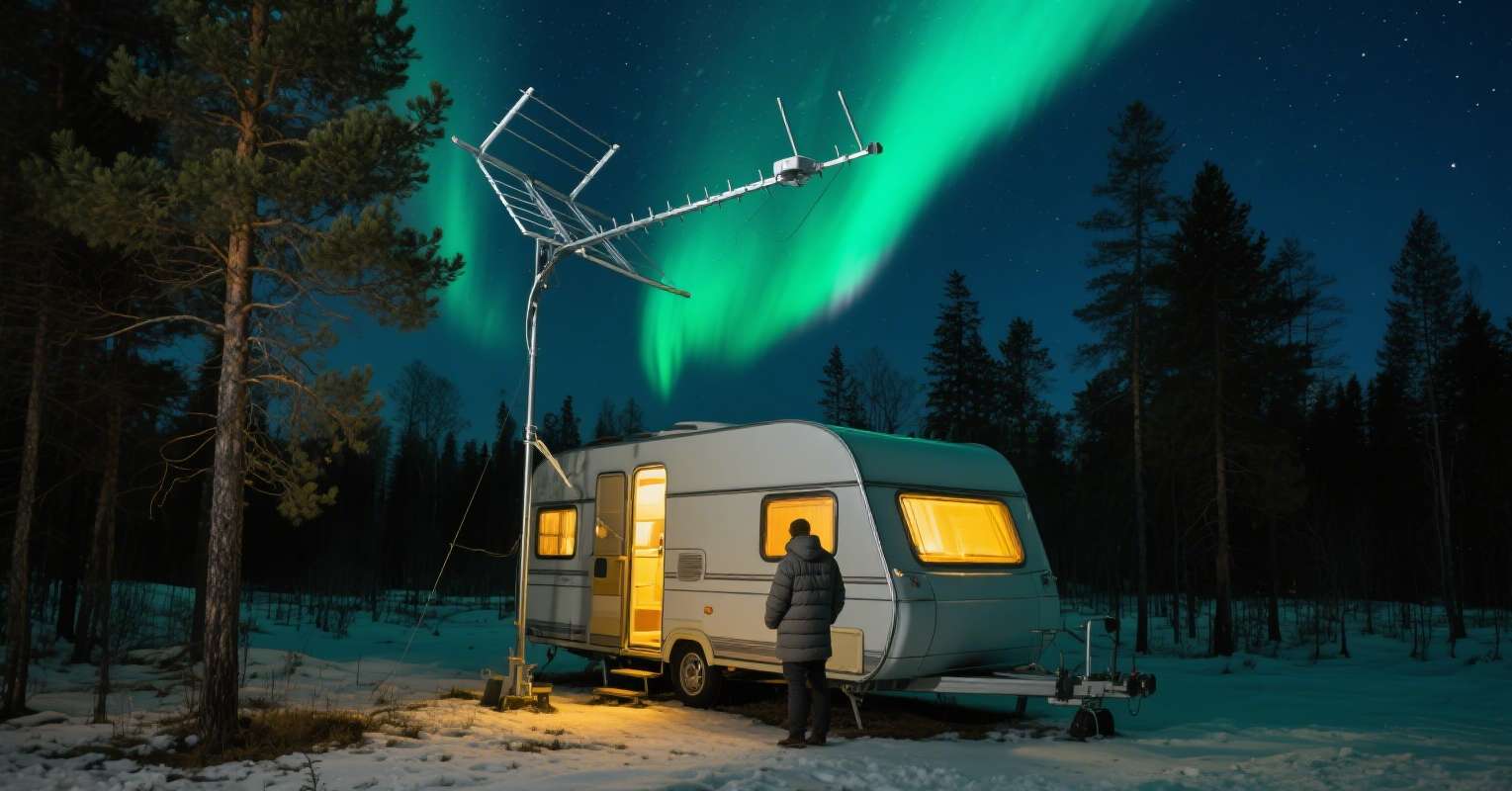
Install your antenna on a rooftop, mast, or tall pole—at least 10 to 30 feet off the ground—to reduce obstructions and get a clean line of sight.
Use the Right Cable and Accessories
Choose low-loss RG6 coaxial cable, and avoid using unnecessary splitters. Keep cable runs short when possible, and always weatherproof connections.
Add a Signal Amplifier
For long cable runs or multiple TV connections, use a preamplifier near the antenna or a distribution amplifier indoors. Make sure to use models with a low noise figure (<3 dB).
Re-scan Channels Regularly
Broadcasters occasionally change channel frequencies or transmission power. Re-scan your TV channels every few months for updated access.
Weatherproof and Maintain
Ensure your antenna is tightly mounted with corrosion-resistant fasteners. Inspect cables annually and clean off debris from snow, dust, or birds.
With careful setup, even the most remote households can enjoy reliable, high-definition OTA TV using long distance antennas for digital TV—no monthly fees, contracts, or buffering.
Q&A Section
Q1: Will a long-range antenna help in mountainous areas?
A: Yes, but it must be installed at a high elevation to overcome terrain obstacles. Directional models work best when aimed precisely at the tower.
Q2: Can I watch major networks like NBC, FOX, or PBS?
A: If those stations broadcast in your region, a long-range antenna can receive them—check AntennaWeb.org to confirm.
Q3: Do I need a digital tuner?
A: Most modern TVs have built-in digital tuners. If your TV is older, you may need a digital converter box.
Ready to take control of your TV signal? Choose a professionally engineered solution from SHEN ZHEN QIYUNTONG ELECTRONIC TECHNOLOGY CO., LTD. for peace of mind and performance—even in the most remote corners of the world.

Can a Digital TV Aerial Booster Fix Pixelated or Missing Channels
How to Connect a Whole House Digital Antenna System
Related Article