The Science Behind Long Range Antennas for Digital TV Explained Simply
Introduction: Why Long Range Antennas Matter in a Wireless World
In today’s cord-cutting era, digital TV antennas are making a strong comeback. Many consumers, especially those living in suburban or rural areas, are seeking a cost-effective way to access free HDTV channels without paying for cable or satellite services. This demand has triggered interest in “long range antennas for digital TV,” with some models claiming to receive signals from 150 miles away.
But how realistic are these claims? Can long range antennas truly overcome terrain and distance challenges to deliver crisp, consistent reception? This article explores the science behind antenna range, debunks marketing myths like “150-mile antennas,” and provides actionable guidance for users and buyers.
Let’s begin by understanding the core principles behind how digital TV antennas work.

How Do Long Range Antennas for Digital TV Actually Work?
Long range antennas for digital TV are specifically engineered to capture OTA signals from distant transmission towers, using advanced directional design and amplification technology.Many households today choose long range antennas digital TV models to ensure consistent reception in both rural and semi-urban settings. transmitted in the UHF and VHF frequency bands. “Long range antennas digital TV” are designed to detect signals from distant transmission towers, but their performance depends on more than just technical specs — real-world conditions play a major role.
Antenna range is primarily influenced by:
-
Line of Sight: TV signals are line-of-sight, which means they travel in straight lines and are blocked by mountains, buildings, and even trees.
-
Antenna Height: The higher the antenna is installed (e.g., on a rooftop vs. in the attic), the better its reception. Elevation helps minimize obstructions and improve signal clarity.
-
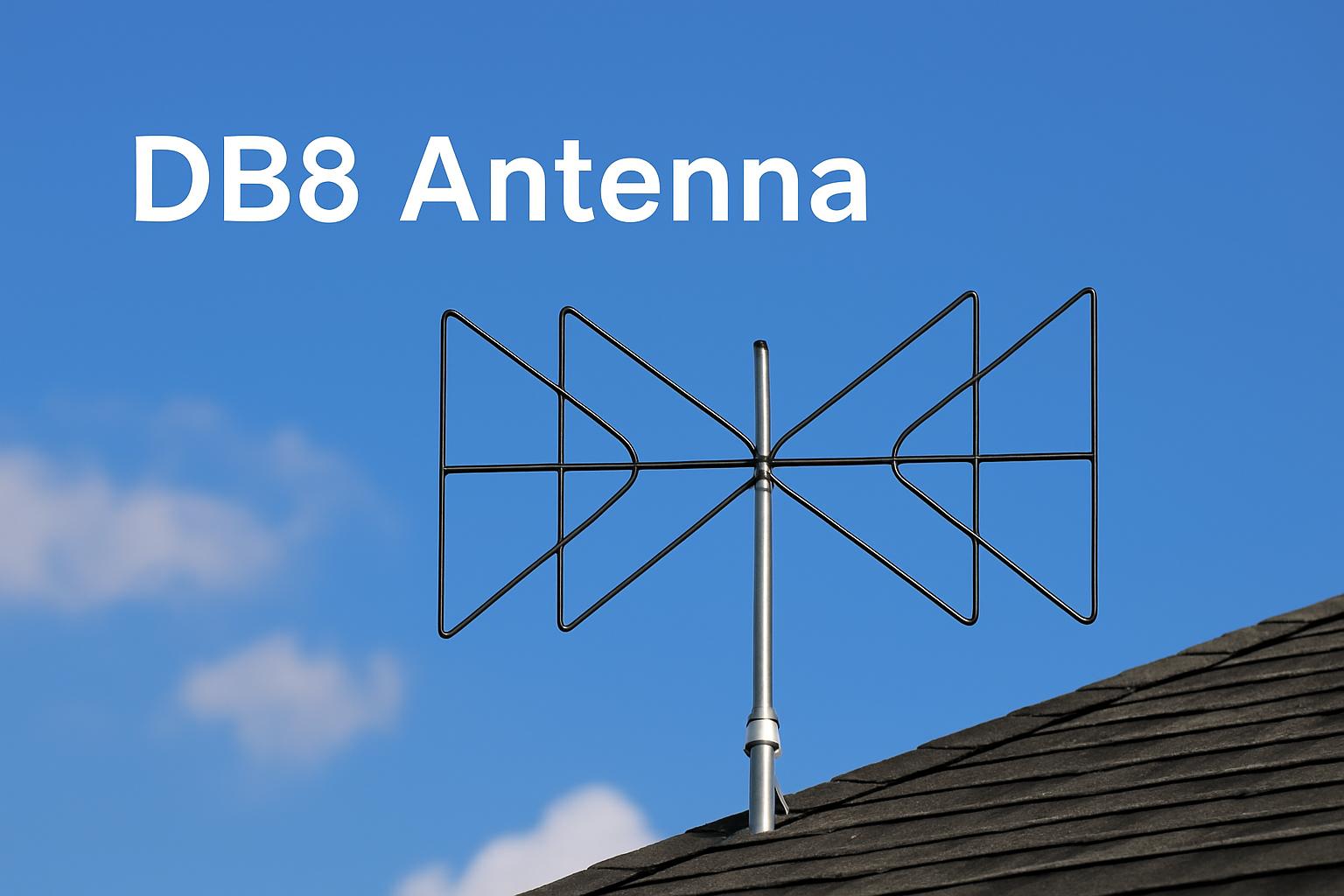
Directional vs. Omnidirectional: Long range antennas are typically directional, focusing signal reception in one direction to reach farther.
-
Signal Frequency: UHF signals carry more data but have shorter reach, while VHF signals can travel farther with less degradation.
-
Amplification: Signal boosters help overcome long cable runs or minor losses but can’t magically pull in signals from impossible distances.
You can explore real signal maps for your location using FCC’s DTV Reception Tool or AntennaWeb.org.
Do 150 Mile Antennas Really Work? Separating Fact from Fiction
The concept of a “150-mile antenna” may appeal to buyers searching for the best long range antennas digital TV options. However, these claims often exceed what is scientifically feasible... — especially for those living in remote regions. However, from a scientific standpoint, these claims are more marketing than reality. The curvature of the Earth alone makes it nearly impossible to receive over-the-air TV signals beyond 100–130 miles under normal conditions.
TV broadcast signals weaken over distance and degrade further when encountering obstacles. In lab conditions, where there’s no interference and ideal weather, a high-gain antenna might pick up signals from far distances. But in real-world environments, interference from electronic devices, weather patterns, and even power lines can distort or block signals.
Additionally, signal amplification has limitations. Amplifiers can strengthen already-received signals, but they cannot detect or "reach out" to distant towers beyond the antenna's physical capability.
To be clear, many high-quality antennas can reach 60–100 miles consistently when correctly installed and pointed. For users within that range, a solid long range antenna can offer dozens of high-definition channels for free.
So, do “150 mile” long range antennas for digital TV work? Only if you live on a mountain top, with perfect alignment, zero interference, and powerful broadcast towers within line of sight. For most users, choosing a realistic model from a trusted brand is the smarter move.For the best results, users should focus on proven long range antennas digital TV systems from trusted manufacturers rather than chasing unrealistic specs.

SHEN ZHEN QIYUNTONG ELECTRONIC TECHNOLOGY CO., LTD. — Long Range TV Antenna Solutions You Can Trust
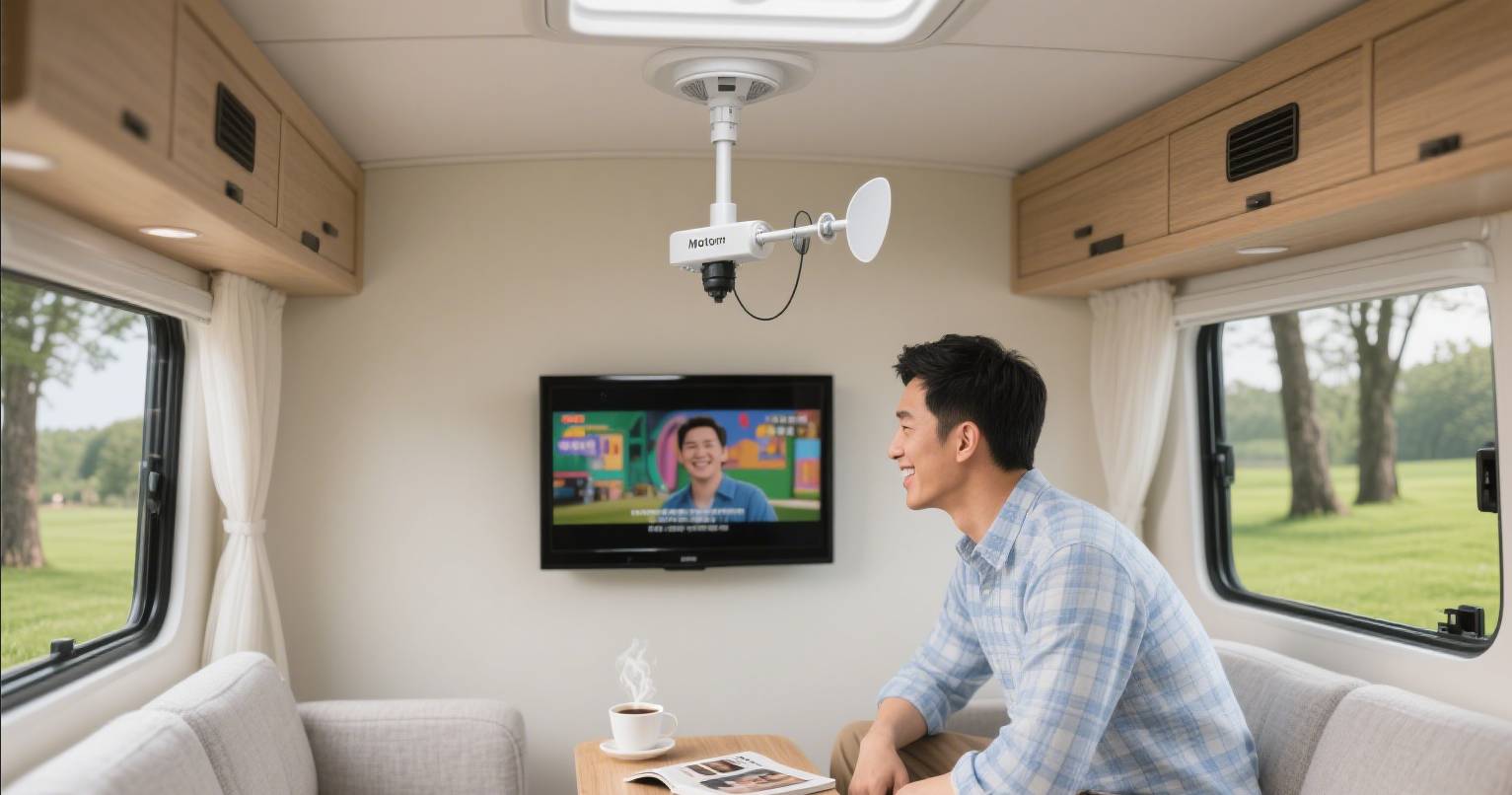
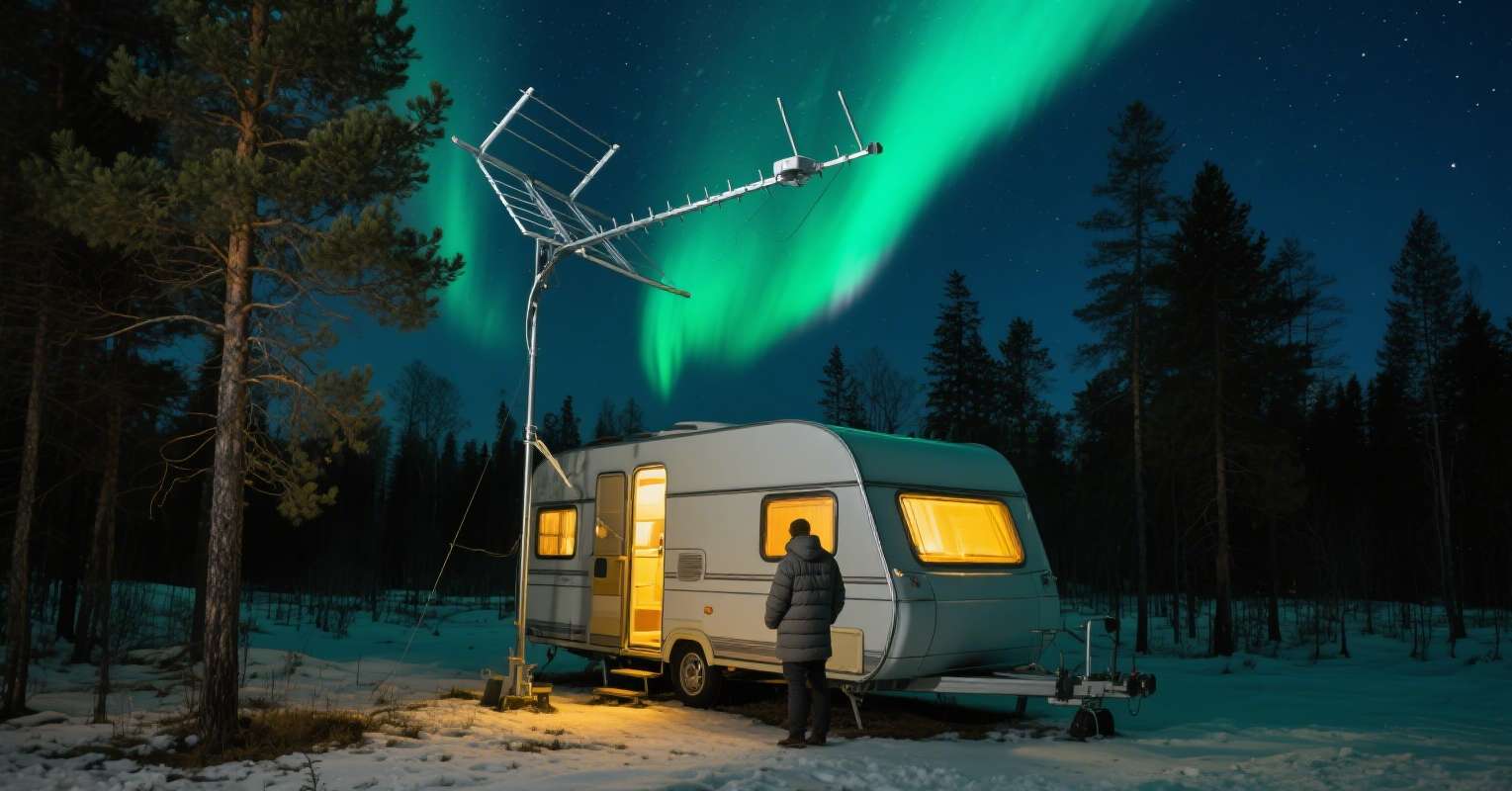
At SHEN ZHEN QIYUNTONG ELECTRONIC TECHNOLOGY CO., LTD., we take pride in offering cutting-edge long range antennas for digital TV, backed by over 20 years of engineering excellence. As a global manufacturer and exporter, we provide durable, high-performance TV antennas that meet the demands of both residential and commercial clients.Our product portfolio includes a wide range of long range antennas for digital TV, ideal for rooftop, attic, and RV installations.
Why Choose Us?
-
True Long Range Reception: Our antennas are optimized for 60–150 mile reception ranges under real-world conditions, including rural, mountainous, and RV-use environments.
-
OEM/ODM Capabilities: We offer fully customizable antenna solutions tailored to your market needs and branding requirements.
-
Weatherproof & Durable: Our antennas are built to withstand rain, wind, and UV exposure, using rust-resistant aluminum elements and sealed housings.
-
Global Compliance: All products are certified under CE, RoHS, and FCC standards, ensuring quality and safety for international markets.
Whether you're targeting a suburban neighborhood or remote countryside, our long range antennas digital TV solutions offer unmatched reliability and performance. Contact our international sales team today to learn more or request a product catalog.

How to Maximize the Performance of Your Long Range Digital TV Antenna
Even the best long range antennas for digital TV require proper installation techniques to function at their full potential. Signal strength is affected not only by the antenna itself but also by where and how it's mounted. Follow these key practices to ensure optimal results:
1.Choose the Right Mounting Spot: Rooftop installations with a clear line of sight toward broadcast towers offer the highest performance. Avoid placing the antenna behind walls, trees, or metal structures.
2.Use a Signal Finder Tool: Use services like AntennaWeb or NoCable to determine your nearest tower direction and distance.
3.Use High-Quality Cables: Cheap coaxial cables can reduce signal quality. Opt for RG6 with shielding to prevent interference.
4.Add a Preamplifier if Needed: For longer cable runs or weak signal areas, a powered amplifier can help maintain signal strength.
5.Perform Regular Scans: Re-scan your TV channels monthly, especially if you’ve moved the antenna or broadcast frequencies have changed.
6.Secure Against Weather: Ensure your antenna is properly mounted and grounded to avoid wind or lightning damage.
By following these steps, you’ll make the most of your long range antenna setup and enjoy crisp, high-definition channels with no monthly fees.
Conclusion
While the promise of a 150-mile TV antenna may sound like a dream come true, the real science paints a more nuanced picture. With the right setup, realistic expectations, and a reliable brand like SHEN ZHEN QIYUNTONG ELECTRONIC TECHNOLOGY CO., LTD., long range antennas for digital TV can dramatically improve your viewing experience — especially in hard-to-reach locations.
Understanding the technology behind antenna performance helps consumers make informed decisions. Choose wisely, install smartly, and enjoy the benefits of free over-the-air TV for years to come.
To see what channels are available in your area, visit:
Why Your Digital Antenna Outdoor Antenna Isnt Working-and How to Fix It
Sudden Signal Loss-What Causes Both Digital Antennas to Fail at Once
Related Article