Stay Connected-Why Every RV Needs a Digital TV Antenna

Introduction: Stay Connected Wherever You Roam
In today’s connected world, access to reliable television—even while traveling—is more than a luxury; it’s a necessity. For RV and camper enthusiasts, staying informed with local news, weather alerts, and entertainment is an essential part of a smooth journey. But what if you’re parked in the middle of a remote forest, far from city infrastructure and cable hookups?
That’s where a camper digital antenna becomes an essential companion.
Unlike traditional TV setups, modern digital antennas designed for RVs are compact, portable, and engineered to capture high-definition signals even in off-grid or rural locations. Whether you’re parked at a national park or boondocking by the beach, a well-chosen camper antenna ensures that you're never out of touch.
This article explores why a camper digital antenna is a must-have for every RV lifestyle. From understanding how these devices work to choosing the best model for your needs, we’ll guide you through the features, installation tips, and product recommendations—so your next adventure includes a strong signal and crystal-clear reception.
Let’s dive into what makes camper TV antennas different, and why quality matters more than ever.

What Is a Camper Digital Antenna—and How Does It Work?
In today’s mobile lifestyle, staying informed and entertained while traveling in an RV or camper has become essential. That’s where a camper digital antenna comes in. Unlike traditional satellite dishes or mobile internet streaming—which often require expensive subscriptions or stable connectivity—digital TV antennas provide a free, reliable, and often high-definition solution for watching live TV directly from broadcast towers.
So, how does a camper antenna work?
A digital TV antenna for campers is a compact device specifically designed to receive over-the-air (OTA) signals in UHF and VHF frequencies. These antennas capture the electromagnetic signals sent out by local television broadcast stations and transmit them to your TV tuner, allowing you to watch major channels such as NBC, CBS, ABC, FOX, PBS, and others—depending on your location and the strength of the signal.
There are two main types of camper antennas: passive antennas, which rely solely on signal strength, and active antennas, which include a built-in amplifier to boost weaker signals. In many rural or mountainous areas where RVs often travel, active antennas are more effective, especially when obstacles like trees or hills interfere with reception.
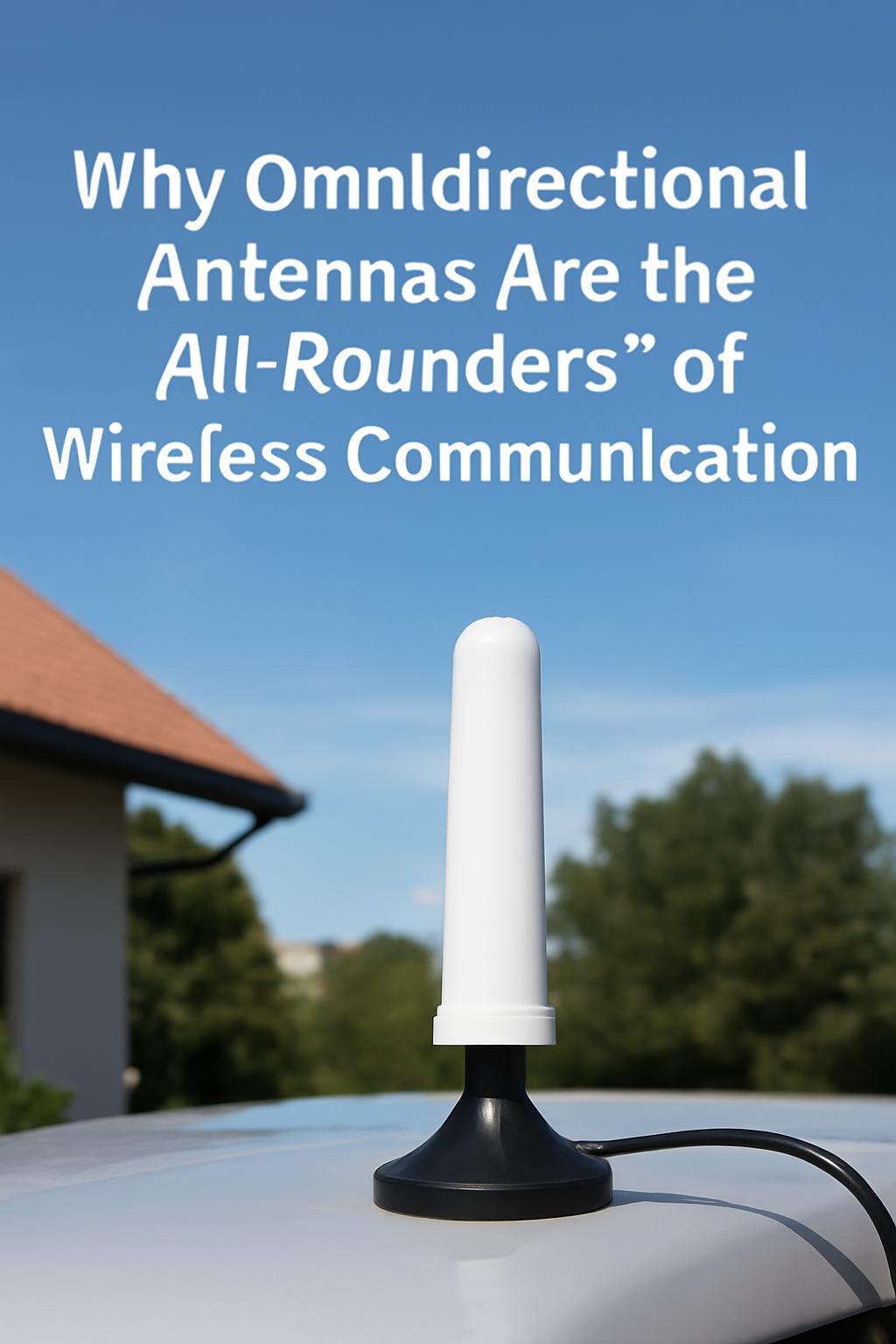
One of the key advantages of a camper digital antenna is its portability and installation flexibility. Many units are designed for quick mounting on roofs, windows, or poles using suction cups or magnetic bases. Because they’re lightweight and rugged, they can be easily repositioned to optimize reception, which is ideal for ever-changing campsite locations.
Additionally, digital antennas for campers are compatible with most HDTVs or portable televisions that support ATSC (North America) or DVB-T2 (Europe and Asia) standards. If you’re unsure which channels are available in your area, you can use tools like the FCC DTV Reception Map or AntennaWeb.org to check real-time signal coverage before or during your journey.
In short, a camper digital antenna is a practical, affordable tool that makes RV travel more enjoyable—offering dependable entertainment without relying on Wi-Fi or expensive subscriptions.
Why Every RV Traveler Needs a Digital TV Antenna
Traveling by RV brings freedom, adventure, and the luxury of escaping the noise of urban life. But that doesn’t mean you have to give up your favorite shows, local news, or emergency alerts. A camper digital antenna gives you access to free, high-quality TV wherever your journey takes you — from bustling campsites to remote mountain valleys.
One of the biggest advantages of using a digital antenna in your RV is independence from internet or satellite-based streaming. Many campsites, especially in remote or rural areas, offer limited or no Wi-Fi connectivity. Meanwhile, satellite subscriptions can be costly, and streaming via cellular data quickly eats into bandwidth. A digital antenna solves this challenge by receiving OTA (over-the-air) signals directly from broadcast towers, with no ongoing monthly costs.
Besides cost savings, there are safety and practicality advantages. Staying updated on local weather conditions or emergency broadcasts is critical when you're on the road. Whether you're parked in tornado-prone states or wildland areas with fire risks, having instant access to regional alerts can make a real difference in safety.
Another benefit is access to local content. With a camper digital antenna, you can enjoy location-specific programming: local news, sports games, or cultural shows from the area you're visiting. It helps you stay connected to the community, even temporarily.
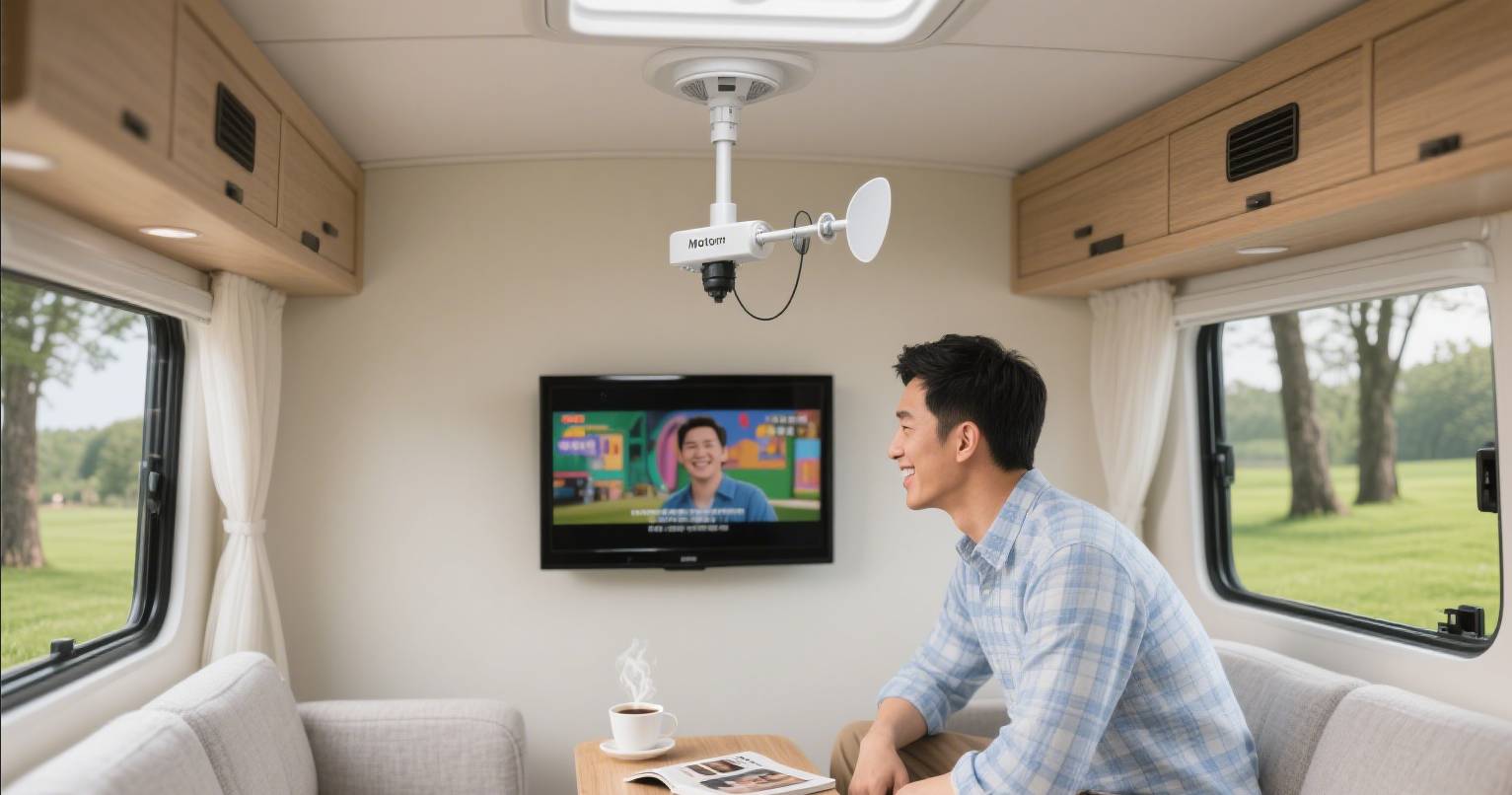
And for those who travel frequently or live full-time in their RVs, digital antennas provide a reliable, energy-efficient alternative to satellite dishes. Many models are powered via 12V systems and can be paired with DVRs to record shows when off-grid.
Ultimately, a camper digital antenna is more than just a TV accessory — it’s a vital part of your RV’s entertainment and safety system. By enabling consistent access to over-the-air channels in a wide range of environments, it ensures that your mobile lifestyle doesn’t mean sacrificing connection, comfort, or information.

Premium Camper Digital Antenna Solutions from SHEN ZHEN QIYUNTONG ELECTRONIC TECHNOLOGY CO., LTD.
When it comes to reliable and high-performance TV reception on the road, SHEN ZHEN QIYUNTONG ELECTRONIC TECHNOLOGY CO., LTD. stands as a trusted name in the global antenna industry. With over 20 years of expertise in the design and manufacturing of digital antennas, we deliver state-of-the-art solutions tailored specifically for mobile users, including those in RVs and camper vans.
As consumer demand for camper digital antennas continues to grow, our team at QIYUNTONG has developed a series of advanced outdoor antennas that combine innovation, durability, and convenience. Designed with both mobility and performance in mind, our products are engineered to perform flawlessly in diverse terrains—from coastal campgrounds to mountainous regions.
Our camper digital antenna solutions offer:
-
Extended Signal Range: Optimized for UHF/VHF frequency bands, our directional and omnidirectional models can cover ranges of up to 150 miles under ideal conditions—making them perfect for RVers traveling off-grid.
-
Built-In Signal Amplification: Our antennas include high-gain amplifiers that enhance weak signals, ensuring you maintain clear HD reception even in low-signal zones.
-
All-Weather Durability: With waterproof housings, UV-resistant coatings, and anti-rust construction, our antennas are made to withstand harsh environments—ideal for year-round RV travelers.
-
Plug-and-Play Compatibility: Easy to install on any standard RV setup, our antennas are compatible with all modern HDTVs, DVRs, and even portable TV receivers using coaxial and HDMI output options.
-
Global Compliance & Export Readiness: All QIYUNTONG antennas meet international quality and safety certifications. Our products are trusted by resellers and OEM partners across North America, Europe, Southeast Asia, and Australia.
Whether you’re an end-user looking to enhance your mobile entertainment setup or a distributor seeking reliable bulk supply, SHEN ZHEN QIYUNTONG ELECTRONIC TECHNOLOGY CO., LTD. offers the expertise and customization options to support your goals.
Contact us today for tailored product consultations or wholesale partnership opportunities. Let us help you power connectivity—wherever the road takes you.
How to Choose and Install the Right Camper Digital Antenna
Selecting the right camper digital antenna is more than just picking the product with the longest range or most features. Your success in receiving clear, uninterrupted signals depends on how well your antenna matches your RV travel habits, signal conditions, and installation capabilities.
1. Know Your Travel Environments
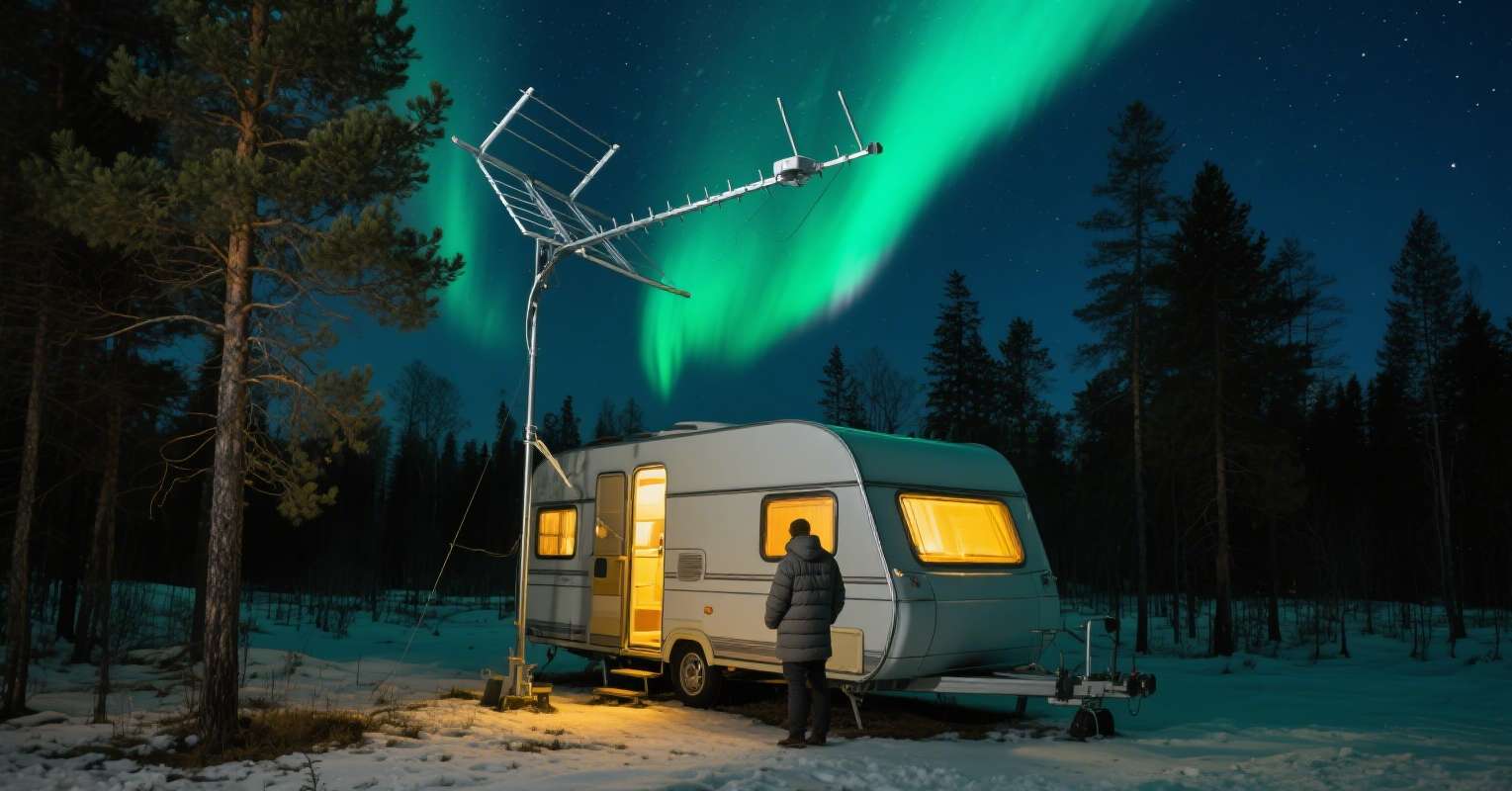
Do you often park in national parks, mountainous areas, or coastal zones? Terrain has a significant impact on reception. In dense forests or remote valleys, you'll want a directional digital antenna with a signal amplifier to cut through interference. For city-to-city travel, an omnidirectional antenna may be better for picking up signals from multiple towers without re-aiming.
Use tools like the FCC DTV Reception Map or AntennaWeb to understand signal sources near your travel routes.
2. Evaluate Key Features
Look for antennas that include:
-
Built-in signal boosters for weak areas
-
Dual UHF/VHF support
-
360-degree rotation or repositionable mounts
-
Compatibility with HDTVs, DVRs, or portable tuners
-
Durable, weather-resistant construction
These features help ensure you get the most out of your camper digital antenna, no matter where your journey leads.
3. Installation Best Practices
Most camper antennas are mounted on the RV roof or a telescopic pole for elevation. Here's how to maximize your reception:
-
Mount as high as possible, away from air conditioning units or metallic obstructions.
-
Use high-quality coaxial cables (RG6 recommended) to reduce signal loss.
-
Ground your antenna for safety if you’ll remain parked long-term in one place.
-
Regularly check and clean connectors for rust, especially after coastal trips.
Some models even support suction mounts or magnetic bases for temporary setups, ideal for weekend travelers or boondockers.
4. Test and Fine-Tune
Once installed, perform a full channel scan on your TV or tuner. Try different orientations if needed. It’s worth rescanning whenever you change locations, as available stations may vary drastically.
A correctly selected and installed camper digital antenna ensures that wherever you park, you're never out of touch with weather alerts, local news, or your favorite shows.
FAQ: Common Questions About Camper Digital Antennas
Q1: Do camper digital antennas work in remote locations?
A: Yes, most high-quality camper digital antennas are specifically engineered to function in remote and rural areas. However, performance depends on terrain, antenna placement, and proximity to broadcast towers. For best results, choose a directional antenna with built-in amplification and mount it as high as possible.
Q2: What’s the difference between a regular home antenna and a camper digital antenna?
A: Home antennas are often designed for fixed installation with consistent signal conditions. In contrast, camper digital antennas are built to handle varying environments, mobility, and rapid setup. They tend to be more compact, durable, and adaptable to RV rooftops or temporary poles.
Q3: Can I watch HDTV channels with a camper antenna?
A: Absolutely. As long as you're within broadcast range, a camper digital antenna can receive free-to-air HDTV channels in full 1080p quality. This includes major networks like ABC, CBS, FOX, and NBC, depending on your location.
Q4: Do I need an internet connection for the antenna to work?
A: No. Camper antennas do not require any internet or streaming service to operate. They work by capturing over-the-air signals directly from transmission towers, providing true offline viewing.
Q5: How do I know which channels are available during my trip?
A: Use signal tools such as AntennaWeb or the FCC DTV Map to check what stations are nearby. These platforms let you input your GPS location and show all the channels you can receive with a camper digital antenna.
Q6: Can I install a camper antenna myself?
A: Yes. Most camper digital antennas are designed for easy DIY installation. Look for models with mounting brackets, pole kits, or magnetic bases. Always follow the manufacturer’s instructions, and consider using a compass app or signal meter for optimal alignment.
How a Camping TV Antenna Digital Setup Transforms Outdoor Living
Amplifier Myths Busted-What They Can and Can not Do for Your Digital Antenna
Related Article