How Far Can an Outdoor TV Antenna Reach-Complete Guide for 2025
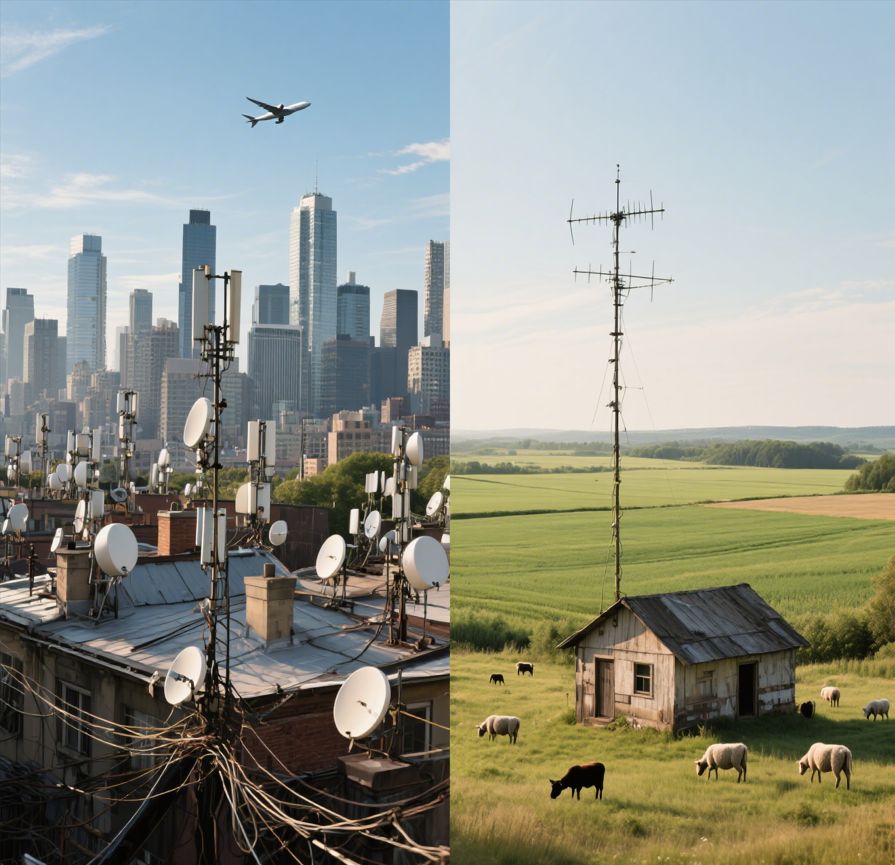
How Far Can an Outdoor TV Antenna Reach? Complete Guide for 2025
When it comes to cutting the cord and embracing free over-the-air (OTA) television, many people ask the same question: How far can an outdoor TV antenna reach? Whether you’re installing one at home or on the road in your RV, understanding the potential range of your antenna can help you get the most channels, best quality, and a hassle-free viewing experience.
In this guide, we’ll explore the capabilities of TV antennas outdoors, introduce some of the best tools available—like long range TV antenna 500 miles outdoor models and RV TV antennas—share real-world use cases, and wrap up with frequently asked questions.
What Determines the Range of an Outdoor TV Antenna?
Before we dive into product types, it’s important to understand the key factors that determine how far a TV antenna can reach:
-
Antenna Gain: Higher gain generally means more range.
-
Line of Sight: Tall buildings, trees, or hills between your home and broadcast towers can weaken signals.
-
Terrain & Weather: Storms and uneven terrain can reduce effective signal strength.
-
Broadcast Tower Distance: Knowing the distance from your location to the nearest tower helps pick the right antenna.
-
Signal Type (UHF/VHF): Some antennas perform better with UHF (Ultra High Frequency), others with VHF (Very High Frequency).
With the right combination of these elements, TV antennas outdoors can reach up to 500 miles in ideal conditions—though realistically, most reliable ranges are around 60–150 miles.
Introduction to Long-Range Outdoor TV Antennas
When you’re located far from urban broadcast towers—or want maximum flexibility—long range TV antenna 500 miles outdoor models may sound like the perfect solution. While the 500-mile claim is often marketing hype, some top-tier antennas can deliver surprisingly strong performance.
Key Features of a Good Long-Range Antenna
-
Multi-directional or Rotating Reception: Ideal for rural areas where towers are scattered in different directions.
-
Amplified Signal Boosters: To counteract long cable runs and weak signals.
-
Weatherproof Housing: For year-round use in diverse climates.
-
Dual-Band Support (UHF/VHF): Covers all available OTA broadcast channels.
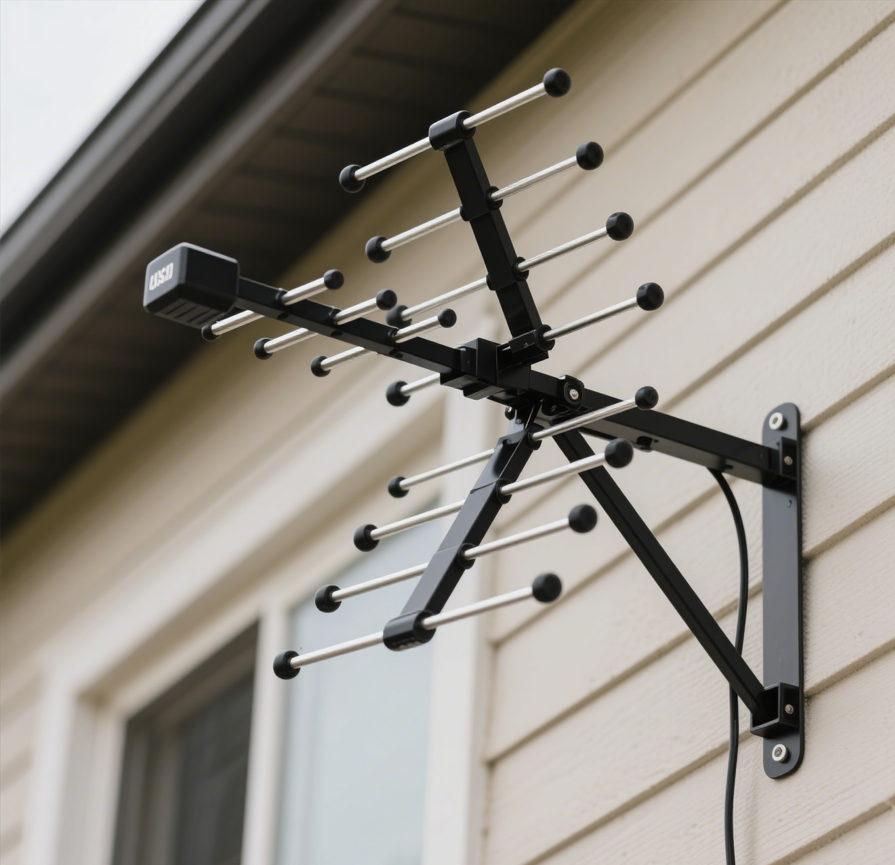
Example Product: Five Star Outdoor HDTV Antenna
-
Claimed range: Up to 200–250 miles
-
Rotation motor: 360 degrees
-
Supports 4K UHD, VHF/UHF
-
Built-in amplifier with LTE filter
Reality check: While "500-mile" claims are common, even the best antennas under ideal conditions usually perform in the 150–250 mile range. The Federal Communications Commission (FCC) advises that true reliable reception typically maxes out around 70–100 miles, depending on interference and topography.

Use Cases: How Outdoor TV Antennas Perform in Real Life
1. Suburban Home
A user located 70 miles from the nearest metro area installs a TV antennas outdoors system with a roof-mounted antenna and amplifier. The results? Access to over 50 channels, including ABC, CBS, FOX, NBC, and PBS—all in HD.
Why it worked: Clear line of sight, minimal interference, and a medium-gain directional antenna.

2. Remote Farmhouse
For rural users located over 100 miles from the nearest city, investing in a long range TV antenna 500 miles outdoor setup is essential. Using a high-gain antenna and mounting it 30 feet above ground allows access to 30+ channels.
Bonus tip: Adding a signal booster near the TV can help amplify long cable runs.

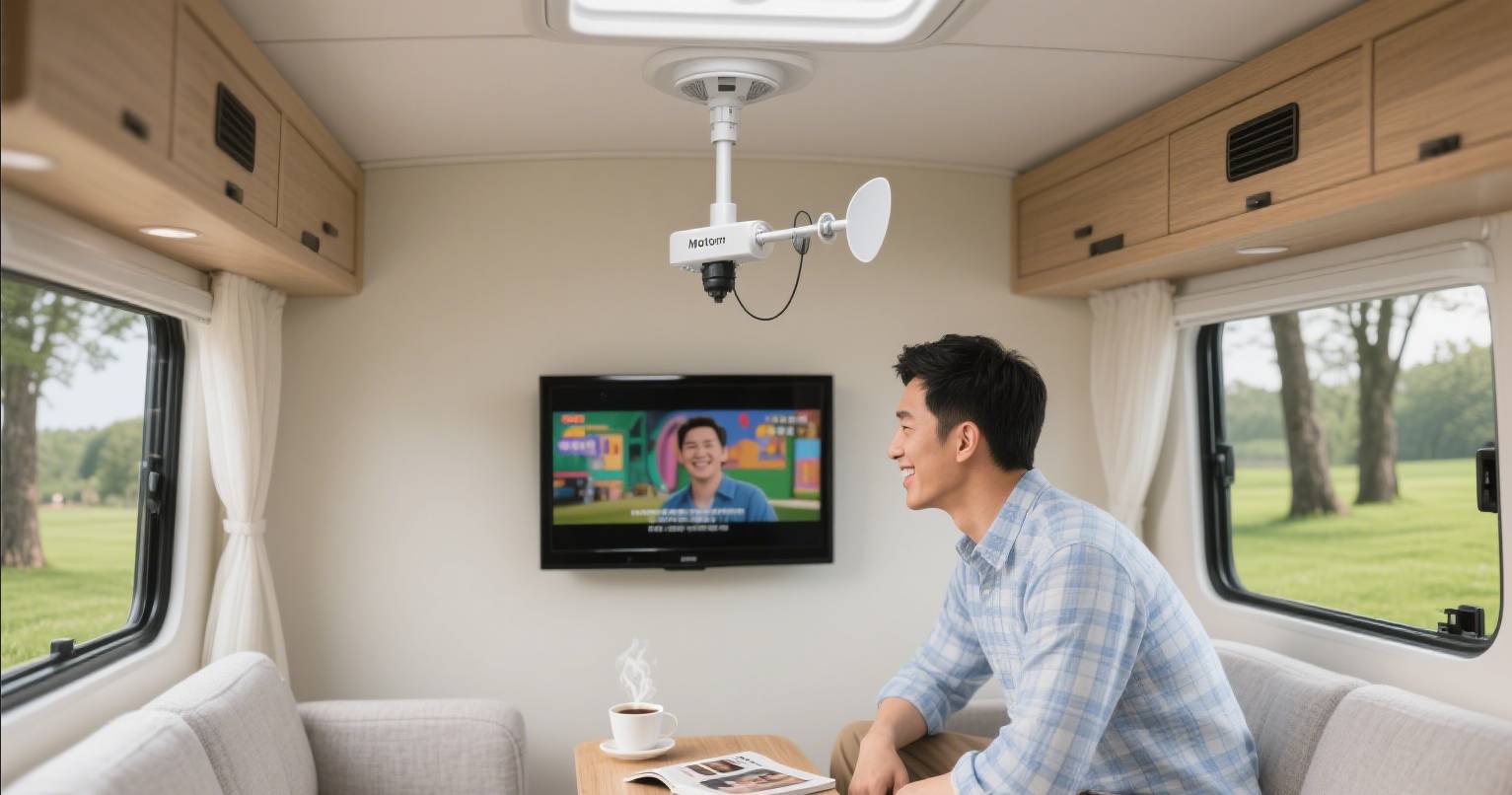
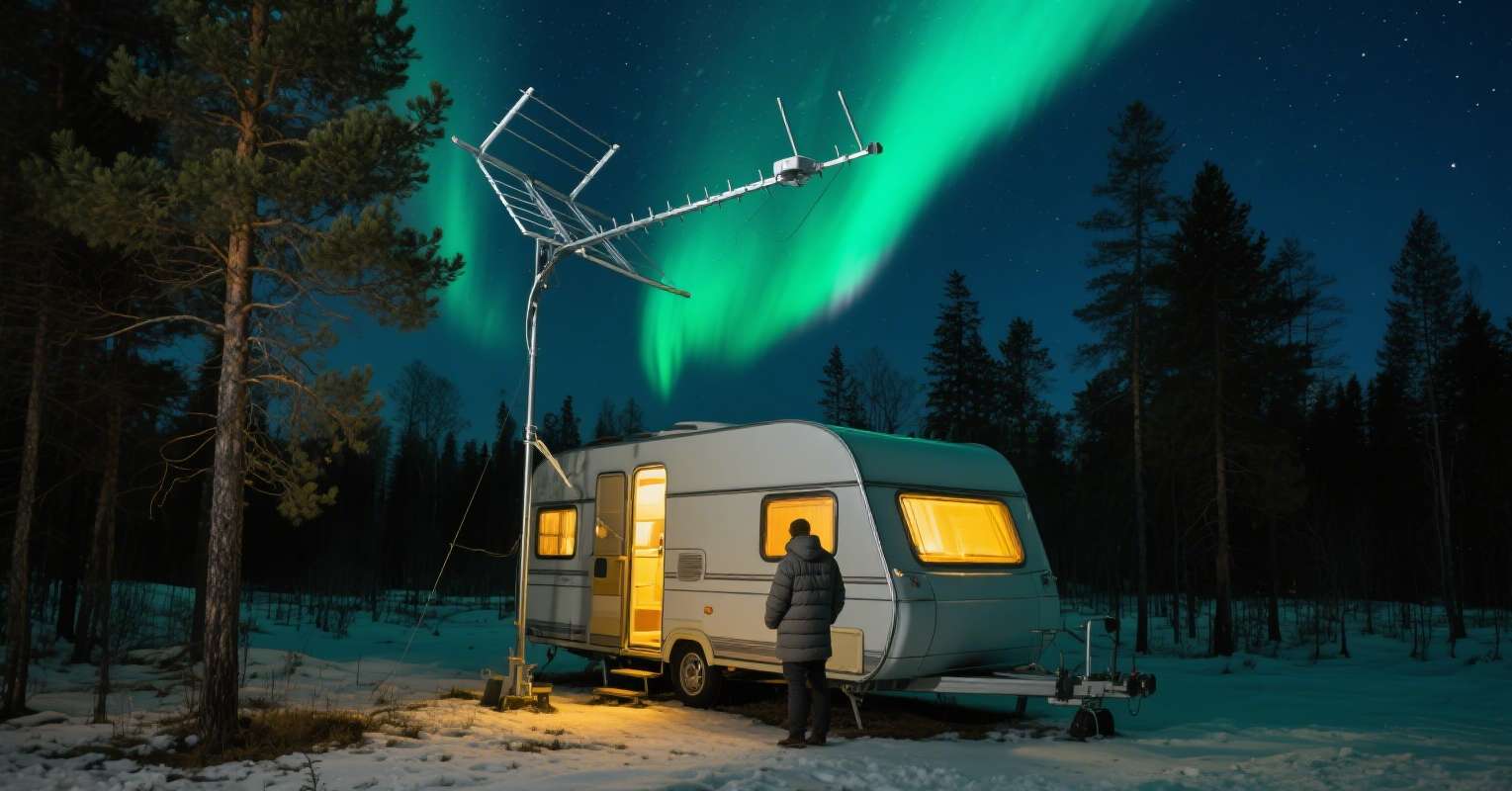
3. RV Travelers
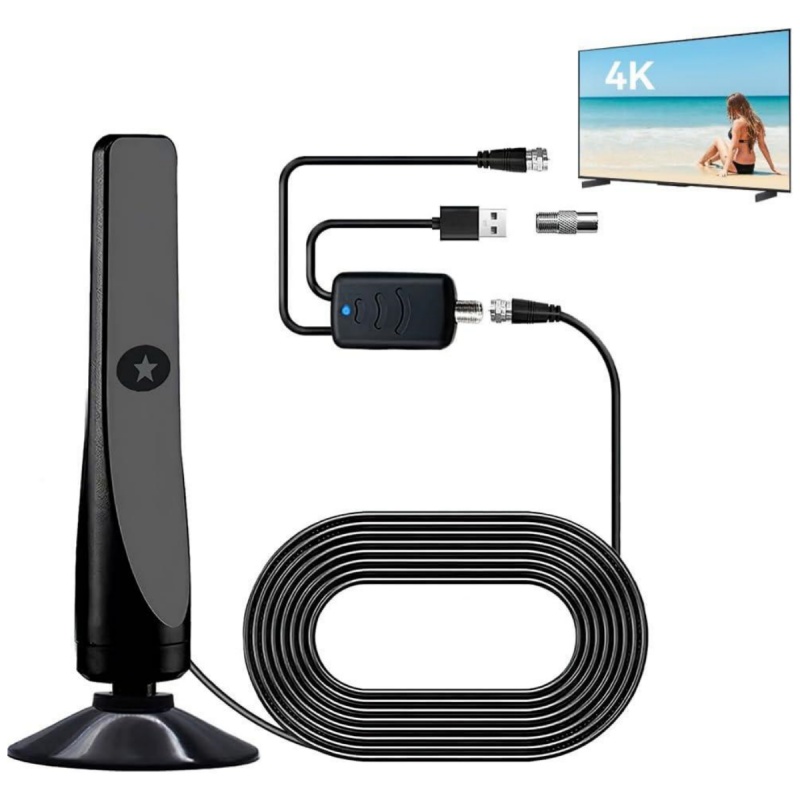
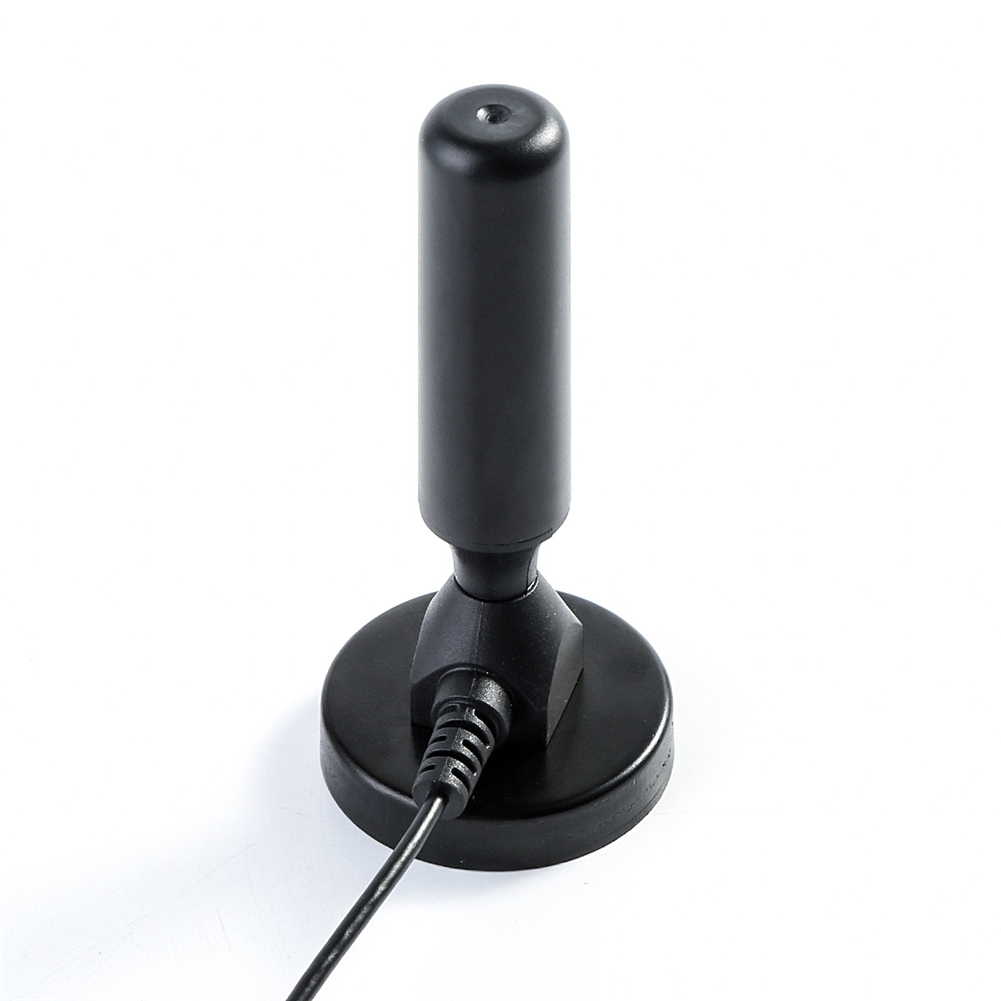
RV TV antennas provide mobile entertainment by capturing OTA channels wherever you park. Portable, foldable, and easy to install, these antennas are must-haves for modern van life or weekend camping trips.
-
Designed for moving vehicles
-
Compact fold-down design
-
Picks up UHF and VHF channels
Usage tip: Park on higher ground for better reception. Use apps like AntennaWeb or TVFool to locate nearby towers before setting up camp.

Final Thoughts: What to Expect From Outdoor TV Antennas
So, how far can an outdoor TV antenna reach? Realistically, expect reliable reception within 70–150 miles under good conditions. While long range TV antenna 500 miles outdoor models are appealing, be cautious of exaggerated marketing claims.
For most users, a quality TV antennas outdoors setup combined with the right placement and signal booster can unlock a wide array of HD content—without paying for cable. Whether you’re upgrading your home system or hitting the road in an RV, there’s an antenna that fits your lifestyle and location.
FAQs: Outdoor TV Antenna Reception
Q1: Can an antenna really reach 500 miles?
A: While some models claim 500 miles, true effective ranges usually top out around 150–250 miles in ideal conditions. The "500-mile" figure is often used as marketing shorthand for high sensitivity.
Q2: Do RV TV antennas work while driving?
A: Most RV antennas are designed for stationary use. You’ll get the best results when parked, especially on higher ground with a clear view of the sky.
Q3: How do I know what channels I can receive?
A: Use tools like AntennaWeb.org or TVFool.com to input your location and see available OTA channels and tower directions.
Q4: Is an amplifier always necessary?
A: Not always. Amplifiers help with long cable runs or weak signals, but they can cause distortion if used too close to strong signals.
Q5: What’s better—indoor or outdoor antenna?
A: TV antennas outdoors are significantly better for range and quality, especially if you live more than 30 miles from a tower.
Optimize Your Viewing Experience
If you’re ready to cut the cord and embrace free, high-definition broadcasts, an outdoor TV antenna is a smart investment. Whether you need an ultra-powerful long range TV antenna 500 miles outdoor model or a flexible RV TV antennas system, make sure you assess your location, elevation, and tower distance for best results.
Ready to make the switch? Browse reviews, check tower maps, and join the growing number of viewers enjoying free OTA channels the smart way!
How Can I Watch TV in Rural Areas
Camper TV Antennas – Mobility-Driven Design & Compliance Guidelines
Related Article