How to Know What Channels You Can Get with a Digital Antenna-And Why It Matters
Introduction: Free TV Is Real—But How Many Channels Can You Get?
In an age where streaming services dominate, many households are rediscovering the value of free, over-the-air TV. All you need is a digital antenna, and you can enjoy HD channels—completely subscription-free. But a key question arises for every user: What channels does a digital antenna get?
The answer depends on several factors, including your location, the strength of local broadcast signals, and the type of antenna you’re using. This article explores the differences between analog and digital antennas, explains what influences your channel selection, and guides you on how to maximize your setup.
Let’s start by understanding the basic differences in antenna technology.
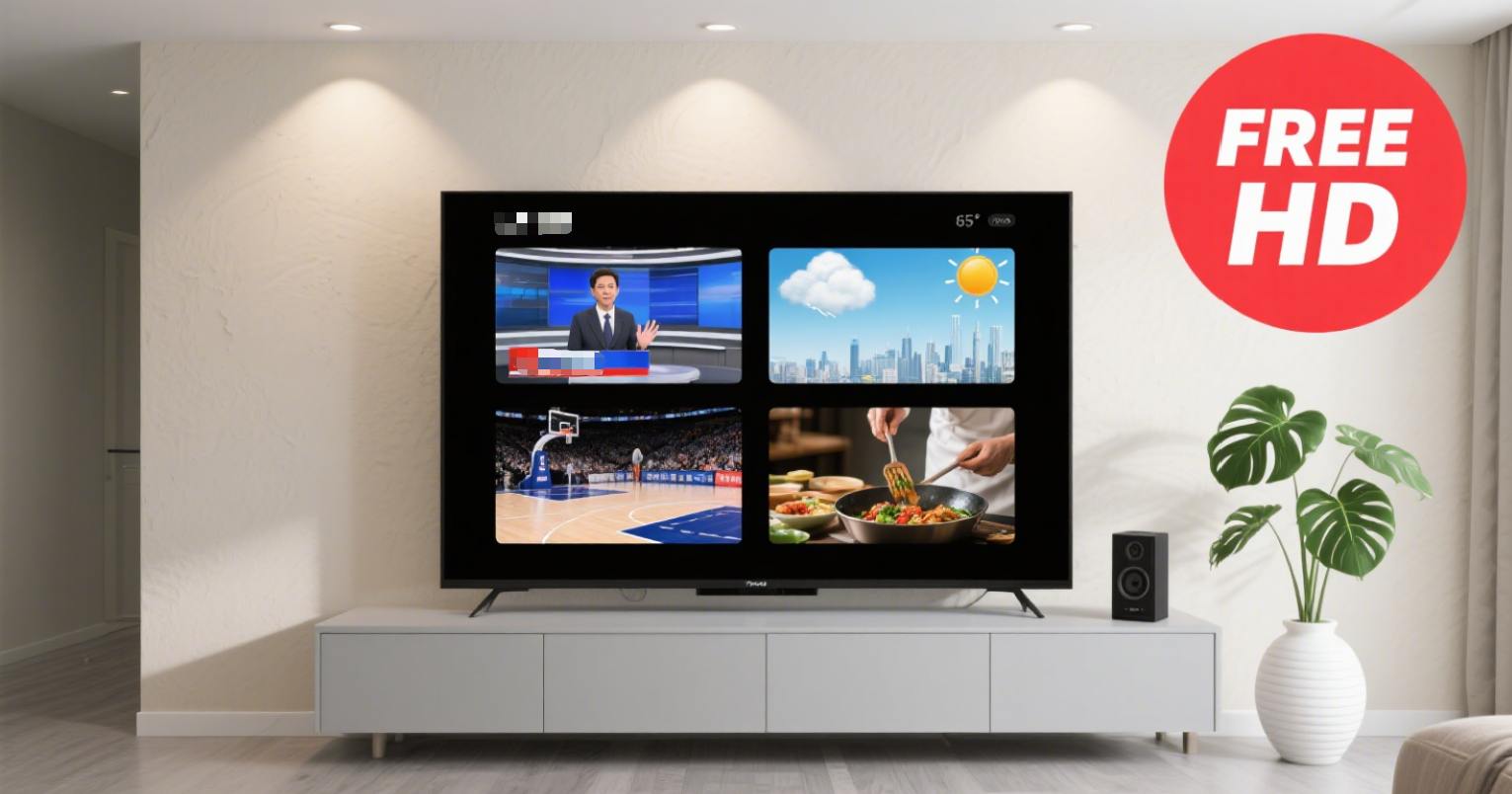
What’s the Difference Between a Regular Antenna and a Digital Antenna?
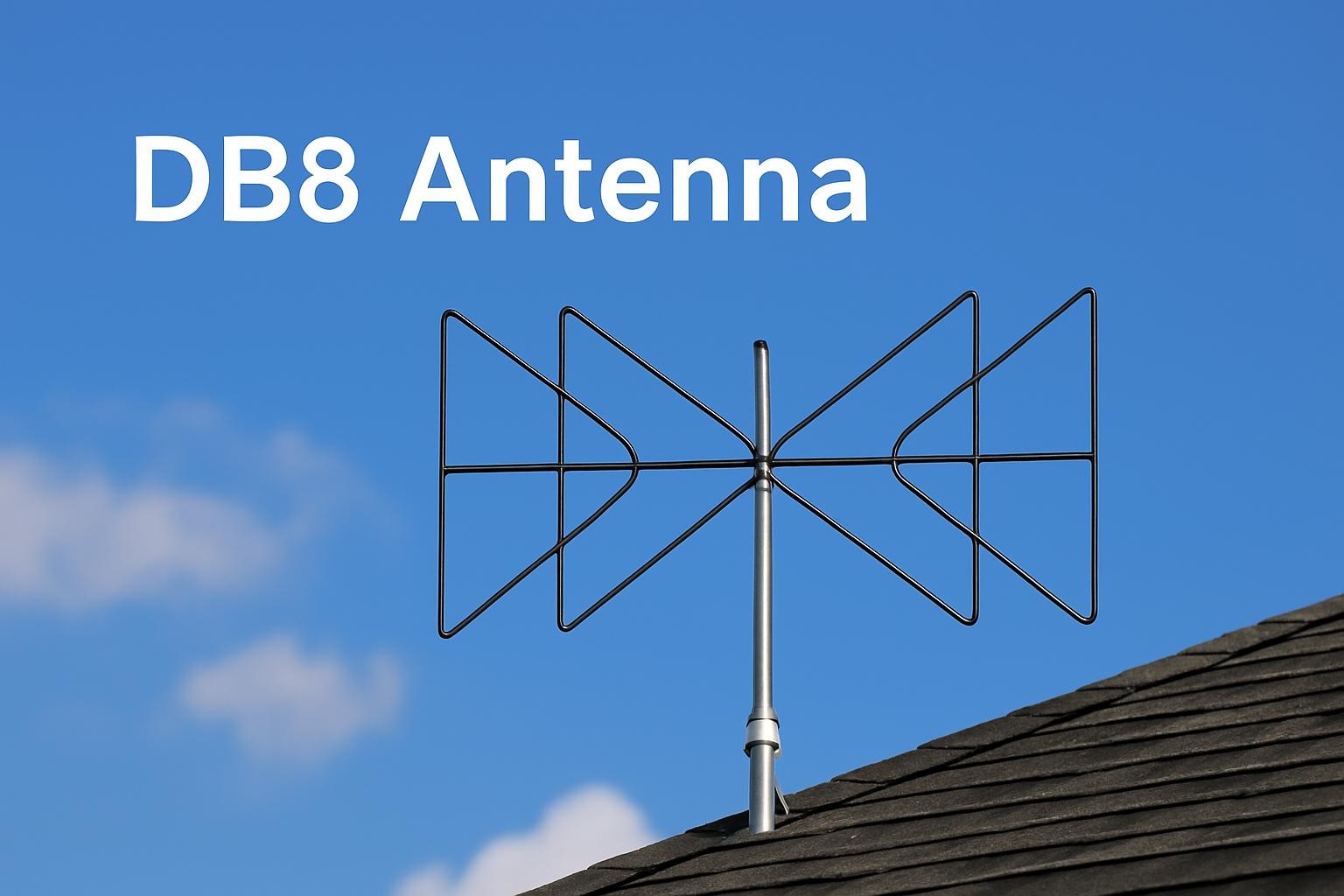
A common misconception is that there’s a fundamental difference in how regular (analog) and digital antennas work. Technically, all TV antennas receive signals on the same VHF and UHF frequencies. What changed with the digital transition in 2009 (USA) is how the signals are transmitted and decoded.
A “regular antenna” generally refers to older models used during the analog era. These could still work today, but they may lack the bandwidth efficiency and signal clarity needed for modern digital broadcasts. A digital antenna, on the other hand, is optimized for receiving compressed digital signals, often providing:
-
Better reception in fringe areas
-
Compatibility with HD signals
-
Compact, modern designs
-
Support for both UHF and VHF frequencies
In short, while the core physics is the same, digital antennas are built to meet the needs of today’s broadcasting standards, especially for HD and full 1080p resolution.
For an in-depth guide on frequencies and TV coverage, visit the FCC's DTV Reception Maps.

What Channels Can You Expect from a Digital Antenna?
What you can receive with a digital antenna depends on where you live. In urban areas, users might access 50+ channels, while rural users may receive 10–30 high-quality options. Key factors include:
-
Proximity to Broadcast Towers
The closer you are, the stronger the signal and the more channels you can receive. -
Geographic Terrain
Mountains, forests, and buildings may block or reflect signals. -
Antenna Type and Height
A rooftop or attic-mounted antenna generally performs better than a set-top model.
Typical channels include major networks like ABC, CBS, NBC, FOX, PBS, and The CW—along with subchannels offering movies, classic TV, local news, weather, and more.
Popular free channels (varies by region):
-
MeTV (classic television)
-
Ion Television
-
Comet (sci-fi)
-
Bounce TV
-
Court TV
-
QVC and HSN (shopping)
Tools like AntennaWeb or TV Fool allow you to enter your ZIP code and generate a personalized list of available channels.
Professional Solutions from SHEN ZHEN QIYUNTONG ELECTRONIC TECHNOLOGY CO., LTD.
SHEN ZHEN QIYUNTONG ELECTRONIC TECHNOLOGY CO., LTD. is a leading provider of high-performance digital antennas, serving global customers across North America, Europe, Japan, and Southeast Asia. With 20+ years of engineering excellence, our antennas are known for:
-
Maximum Channel Availability
Our VHF/UHF digital antennas are designed to pick up both nearby and distant channels reliably. -
Optimized Signal Strength
Built-in amplifiers and high-gain aluminum elements enhance signal clarity, even in fringe reception zones. -
Versatile Installation Options
Whether you prefer outdoor, attic, or window-mounted solutions, we offer models to match every home layout. -
Rugged, Weather-Resistant Build
Durable waterproof housings and corrosion-resistant materials make our antennas ideal for long-term use.
Our product line includes advanced options such as:
-
Long-range antennas up to 150 miles
-
Multi-directional and directional models
-
Support for 4K, Full HD, and NextGen TV standards
We also offer OEM/ODM customization for bulk distributors and telecom providers.
For inquiries, visit: www.szqiyuntong.com

Tips for Maximizing the Channels You Receive
Even with the best digital antenna, setup and maintenance play a crucial role in channel performance.
Positioning Matters
Install your antenna as high as possible and avoid placing it behind metal-backed insulation or heavy brick walls.
Use Signal Mapping Tools
Apps and websites like DTV Reception Maps can help you aim your antenna accurately for maximum coverage.
Scan and Rescan
Always perform a full channel scan when setting up your antenna. Repeat every few months to catch new or moved stations.
Cable Quality
Use low-loss RG6 coaxial cables to prevent signal degradation—especially for cable runs over 50 feet.
Consider an Amplifier
If your antenna is far from the TV or if you're in a low-signal zone, an amplifier can improve reception.
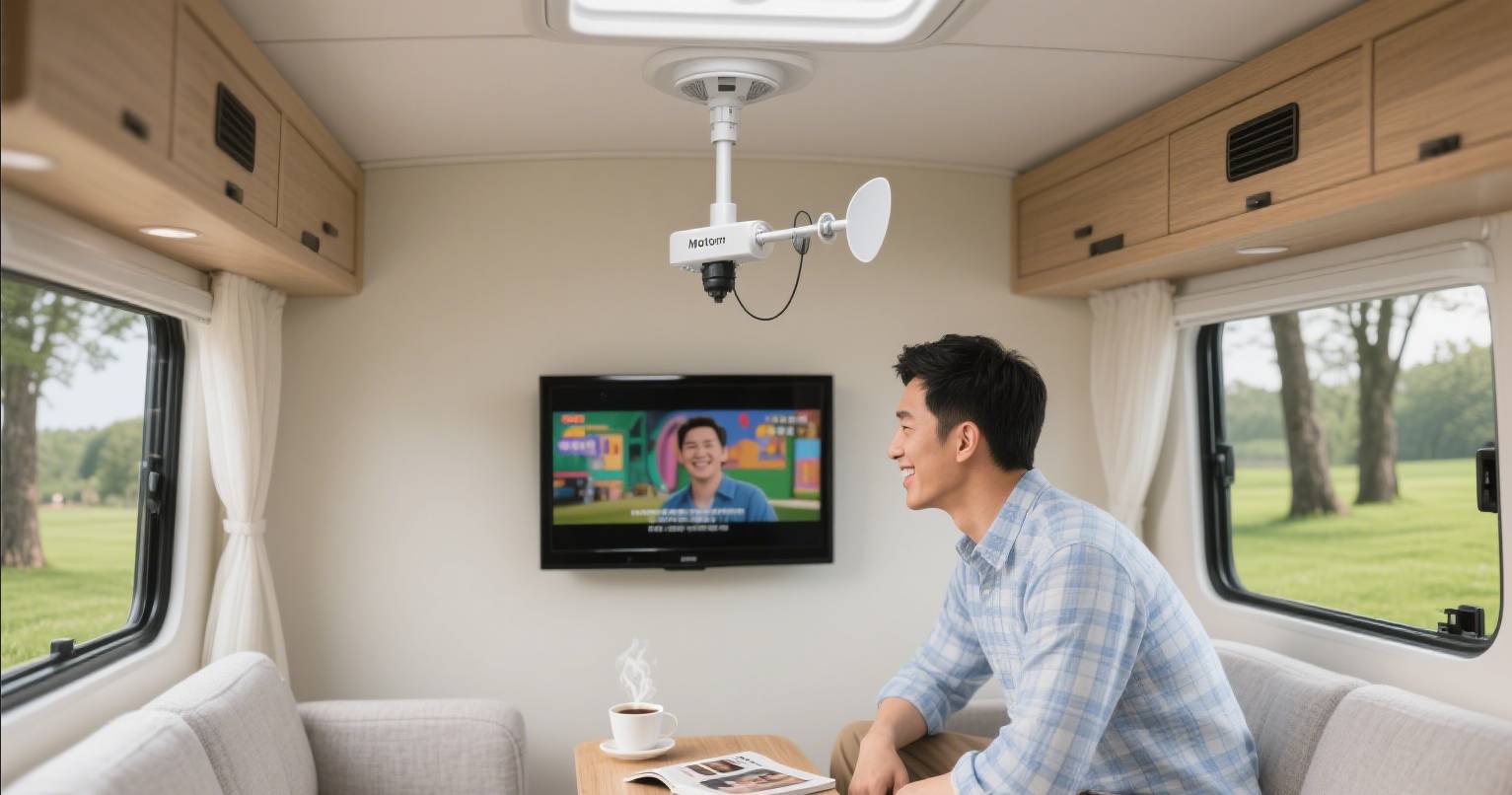
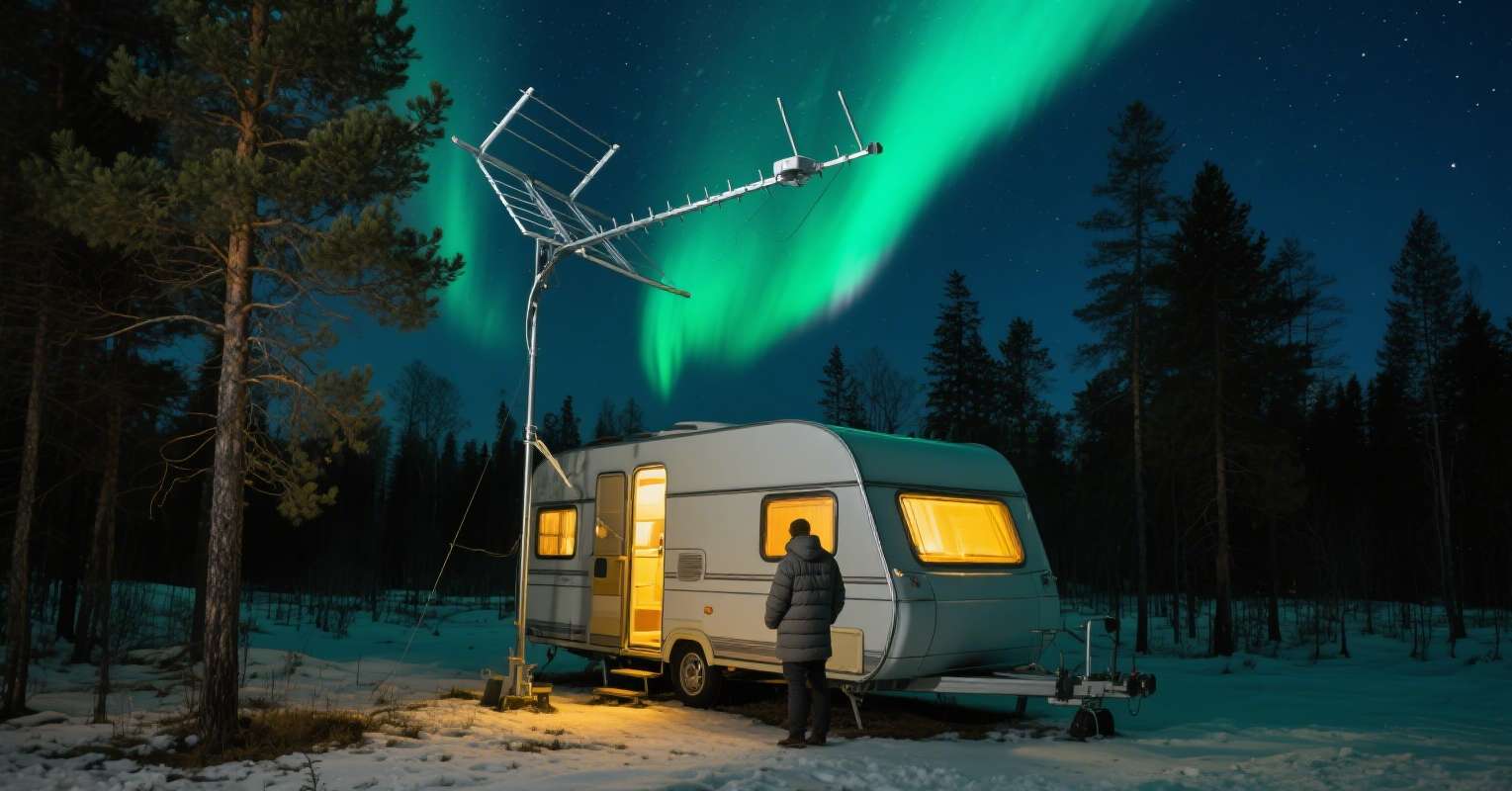
By applying these practices, you can unlock the full potential of your digital TV antenna for campers, homes, or rural installations.
FAQ: Digital Antennas and Channel Access
Q: How do I know what channels I’ll get in my area?
A: Visit AntennaWeb or FCC DTV Maps and enter your ZIP code.
Q: Why won’t my digital antenna pick up channels?
A: Possible causes include poor placement, obstructions, signal interference, or outdated scanning.
Q: Can I get local news and sports?
A: Yes, most major networks broadcast local content for free over-the-air.
Q: Do I need internet to use a digital antenna?
A: No. Antennas receive broadcast signals over the air without internet access.
Q: Will I get the same channels in different rooms?
A: Each TV needs its own antenna or a shared amplified splitter setup to access the same channels.
Final Thoughts
Knowing what channels you can receive with a digital antenna depends on a few key factors—but with the right setup and a reliable product from SHEN ZHEN QIYUNTONG ELECTRONIC TECHNOLOGY CO., LTD., you can access a wide range of high-quality, free TV content anytime, anywhere.
Start scanning. Start saving. Start watching.
Why Your Old Analog Antenna Might Be Failing-and How a Digital Antenna Fixes It
How to Set Up a Digital Antenna Without Any Technical Skills
Related Article