How to Connect a Whole House Digital Antenna System

Bringing Free HDTV to Every Room
In an era where streaming subscriptions continue to climb in cost, many homeowners are rediscovering the power and efficiency of a digital antenna. A whole house digital antenna system offers a compelling alternative—delivering free, over-the-air HD channels to every TV in your home without ongoing fees. But how does one antenna provide service across multiple rooms? What installation tools and strategies are required? And is it worth the effort?
This article walks you through everything you need to know to design and install a whole house digital antenna system—from antenna selection to distribution, amplifier usage to cable optimization. Whether you're upgrading an older coaxial setup or starting from scratch, this guide ensures your entire household can enjoy crisp, uninterrupted television broadcasts.
Let’s begin by understanding how whole-home digital antenna systems work and what makes them an excellent choice for cost-conscious, quality-focused viewers.

How Whole House Digital Antennas Work
A whole house antenna system is designed to distribute the signal from one high-quality digital antenna to every TV in your home via a shared coaxial network. Instead of placing individual antennas near each TV, you centralize your reception and connect multiple TVs through splitters and distribution amplifiers.
Key Components:
-
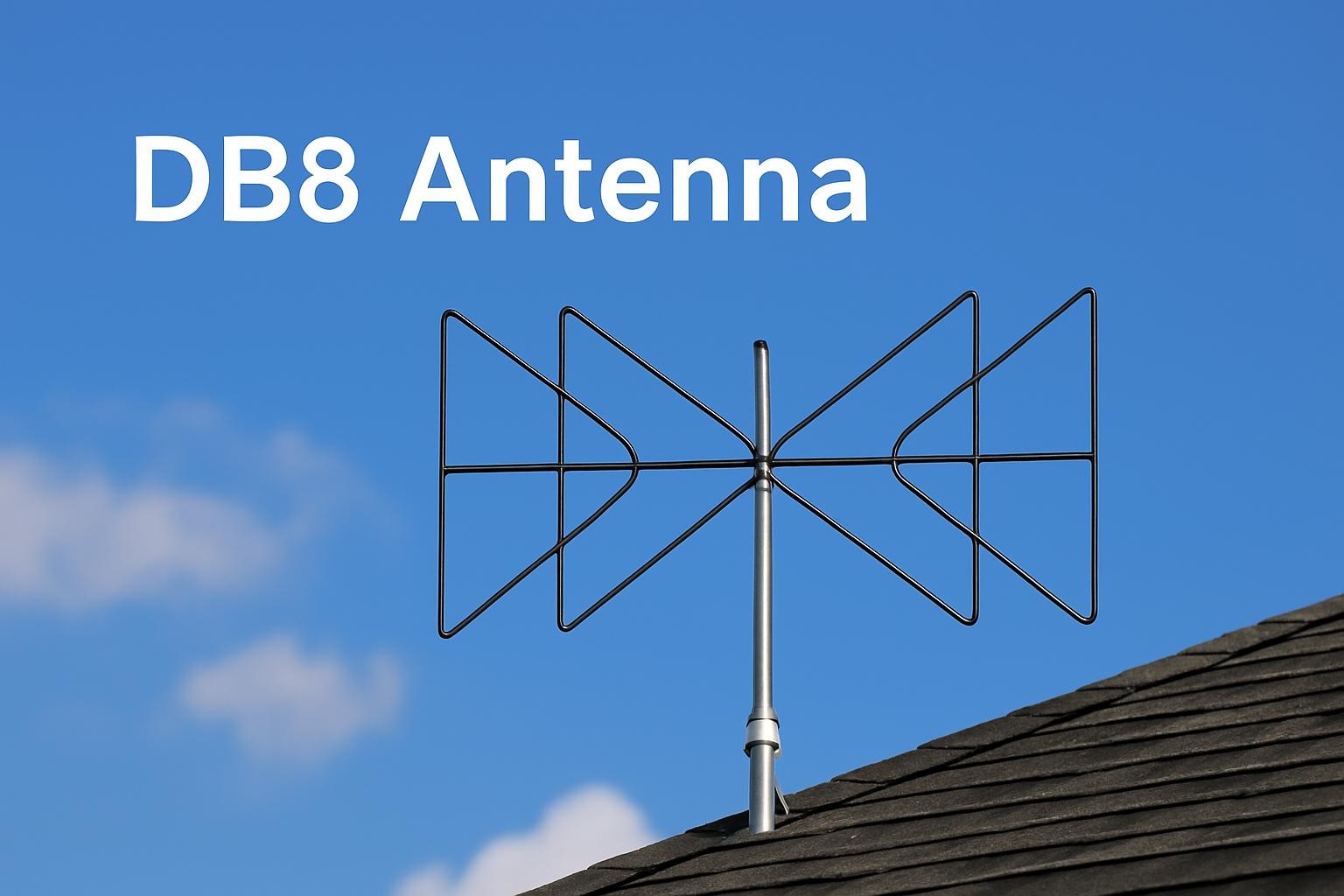
Outdoor or Attic Antenna: This is the heart of the system. Placement and range are crucial.
-
Coaxial Splitter: Divides the signal from the antenna to multiple output lines.
-
Distribution Amplifier: Boosts signal strength to prevent degradation when sending to several TVs.
-
RG6 Coaxial Cable: The industry standard for digital TV signal delivery.
Benefits of a Whole House Setup:
-
Cost Efficiency: One antenna serves the entire house.
-
Superior Signal Quality: Reduced interference compared to indoor antennas.
-
Minimal Clutter: No need for individual antennas or devices near each TV.
Before starting installation, use tools like AntennaWeb to map out nearby broadcast towers. This ensures your antenna is correctly positioned for optimal UHF/VHF reception. By using one well-placed antenna, you eliminate the guesswork and inconsistency of multiple devices.
Installation Best Practices for Maximum Signal Coverage
Installing a whole house digital antenna system isn't overly complex, but success depends on correct component selection and setup.
Step-by-Step Guide:
1.Choose the Right Location: Install your antenna on the roof, side of the house, or in the attic— whichever offers the clearest line of sight to broadcast towers.
2.Run Quality Cabling: Use shielded RG6 cables to reduce signal loss.
3.Use a Distribution Amplifier: Especially important if you’re connecting more than two TVs. A powered amp boosts the signal evenly across all outputs.
4.Install a Coaxial Splitter: Connect the amplifier to a high-quality splitter with enough outputs for your TV count.
5.Scan for Channels: After connections, have each TV scan for available channels. Rescan periodically for new additions.
Common Mistakes to Avoid:
-
Using poor-quality cables or connectors.
-
Placing the antenna too low or near metal interference.
-
Overloading the signal chain with unnecessary splitters or amps.
By planning your setup carefully, you can ensure reliable reception on every screen without rebuffering, pixelation, or blackouts.

SHEN ZHEN QIYUNTONG ELECTRONIC TECHNOLOGY CO., LTD. – Reliable Whole House Antenna Solutions
At SHEN ZHEN QIYUNTONG ELECTRONIC TECHNOLOGY CO., LTD., we specialize in advanced antenna technologies engineered for modern home applications. Our product line includes some of the best-performing whole house digital antenna systems available today.
Why Choose Our Solutions?
-
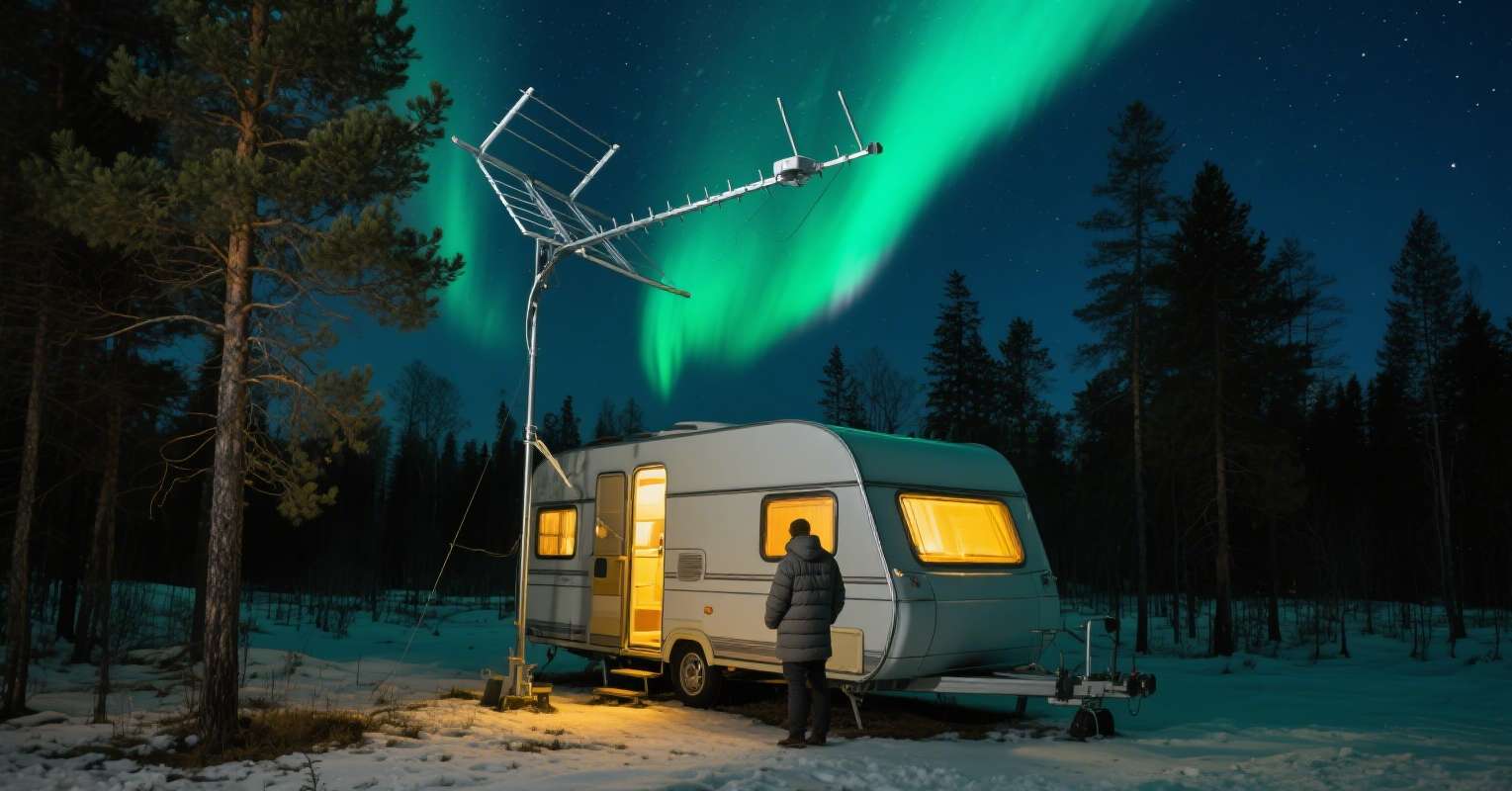
True Long-Range Reception: Our outdoor and attic antennas support up to 150-mile reception under ideal conditions, covering most broadcast needs even in rural or suburban settings.
-
Precision Engineering: Aluminum and UV-resistant housing, low-noise amplifiers, and high-gain elements ensure top-tier signal quality and durability.
-
Full-System Kits: We provide antennas bundled with amplifiers, splitters, and mounting hardware—ready to deploy for full-home coverage.
-
Easy Compatibility: Our products work seamlessly with DVRs, Fire TVs, and other HD-ready devices.
Whether you're a home user looking for plug-and-play solutions or a distributor seeking OEM/ODM manufacturing, SHEN ZHEN QIYUNTONG is your go-to partner for innovation and support. All our products are certified for North America, Europe, and Southeast Asian markets.
Contact us today at www.szqiyuntong.com to explore our wholesale offerings or receive a customized quote for your needs.
Is a Whole House System Right for You?
The best candidates for whole-house antenna systems are families who:
-
Watch broadcast TV in multiple rooms.
-
Want to eliminate recurring cable costs.
-
Live in areas with moderate to strong broadcast tower coverage.
That said, not every home needs a whole-house setup. Single-room or portable antennas may suffice for smaller homes or apartments. But if you're aiming for consistent, reliable, and cost-free entertainment across all TVs, a centralized antenna system is a long-term investment worth making.
Tips for Future-Proofing Your Setup:
-
Use a surge protector for all electronics connected to the antenna.
-
Invest in 4K-ready tuners or smart TVs to take full advantage of high-resolution broadcasts.
-
Regularly check websites like FCC’s Reception Map to stay updated on local channel availability.
FAQ: Whole House Digital Antenna Systems
Q1: Can I use one antenna for the entire house?
A: Yes. With the right splitter, amplifier, and cabling, a single digital antenna can serve every TV in your home.
Q2: Do I need an amplifier for a whole-house system?
A: Typically, yes. Signal strength diminishes with every split. An amplifier compensates for the loss.
Q3: Will this work in rural areas?
A: It depends on your antenna’s range and the distance to towers. Long-range models from SHEN ZHEN QIYUNTONG are ideal for such scenarios.
Q4: Can I still record shows with a DVR?
A: Absolutely. Just connect the DVR to one of your TVs using the shared antenna signal.
The Ultimate Guide to Long Distance TV Antennas for Digital TV in Remote Areas
7 Ways to Boost TV Signal with the Longest Range Digital TV Anten
Related Article