How to Choose the Best Multi-Directional TV Antenna for Your Needs
Why Multi-Directional TV Antennas Are Gaining Global Popularity
In today's streaming-centric world, many consumers are cutting the cord but still looking for ways to access free-to-air channels. The solution? High-performance TV antennas — especially those that can capture signals from multiple directions without the need for manual adjustment.
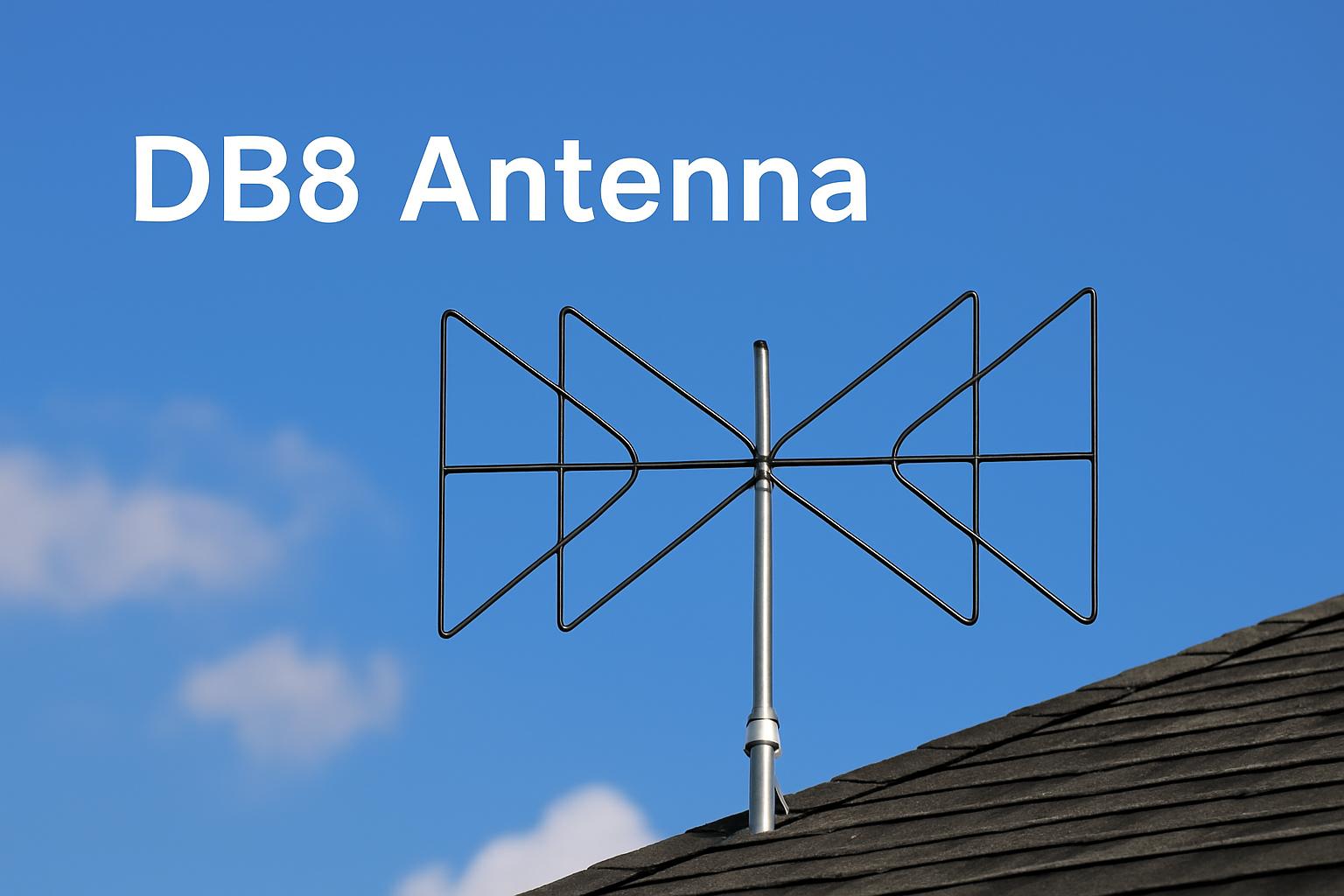
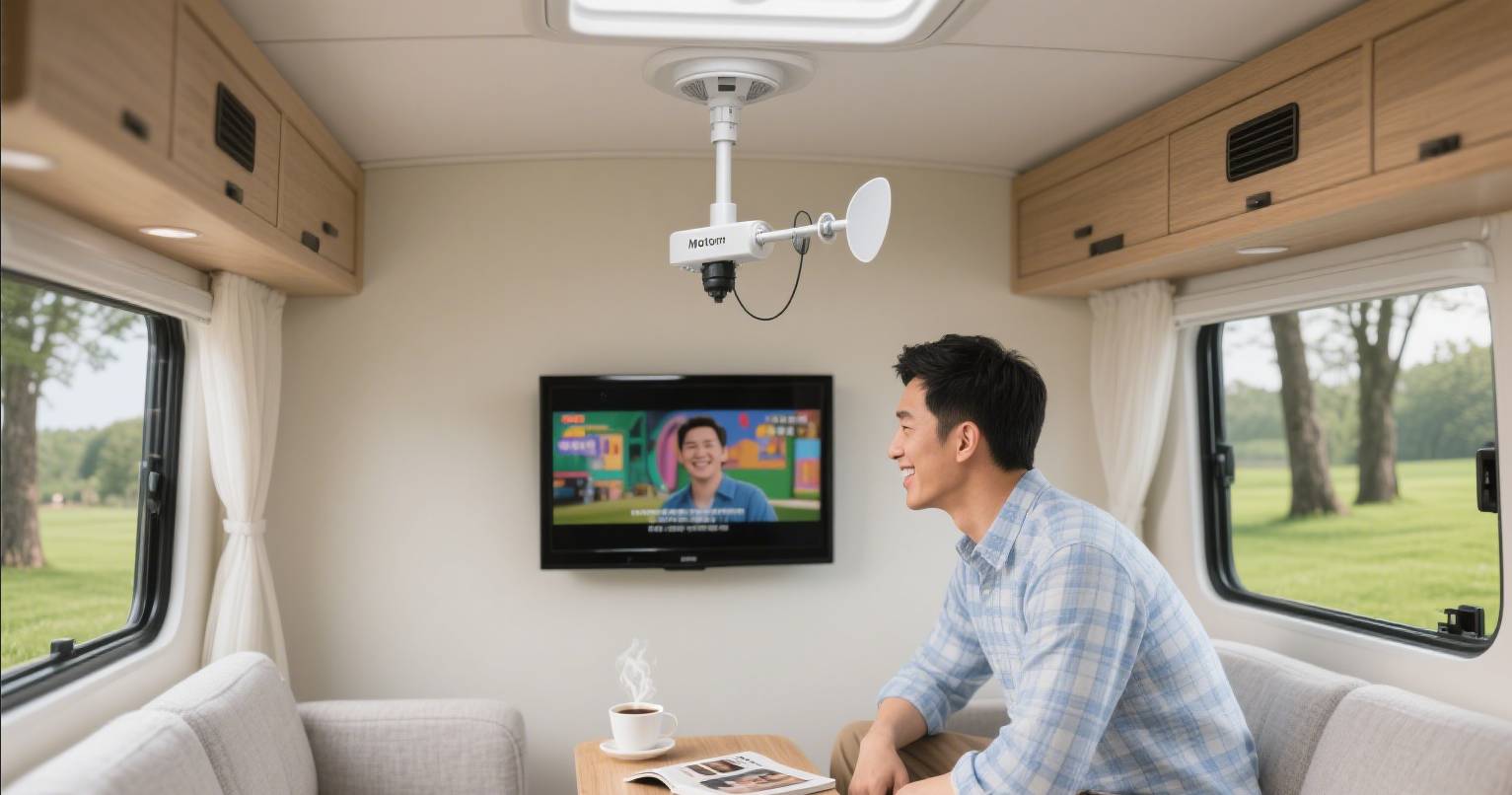
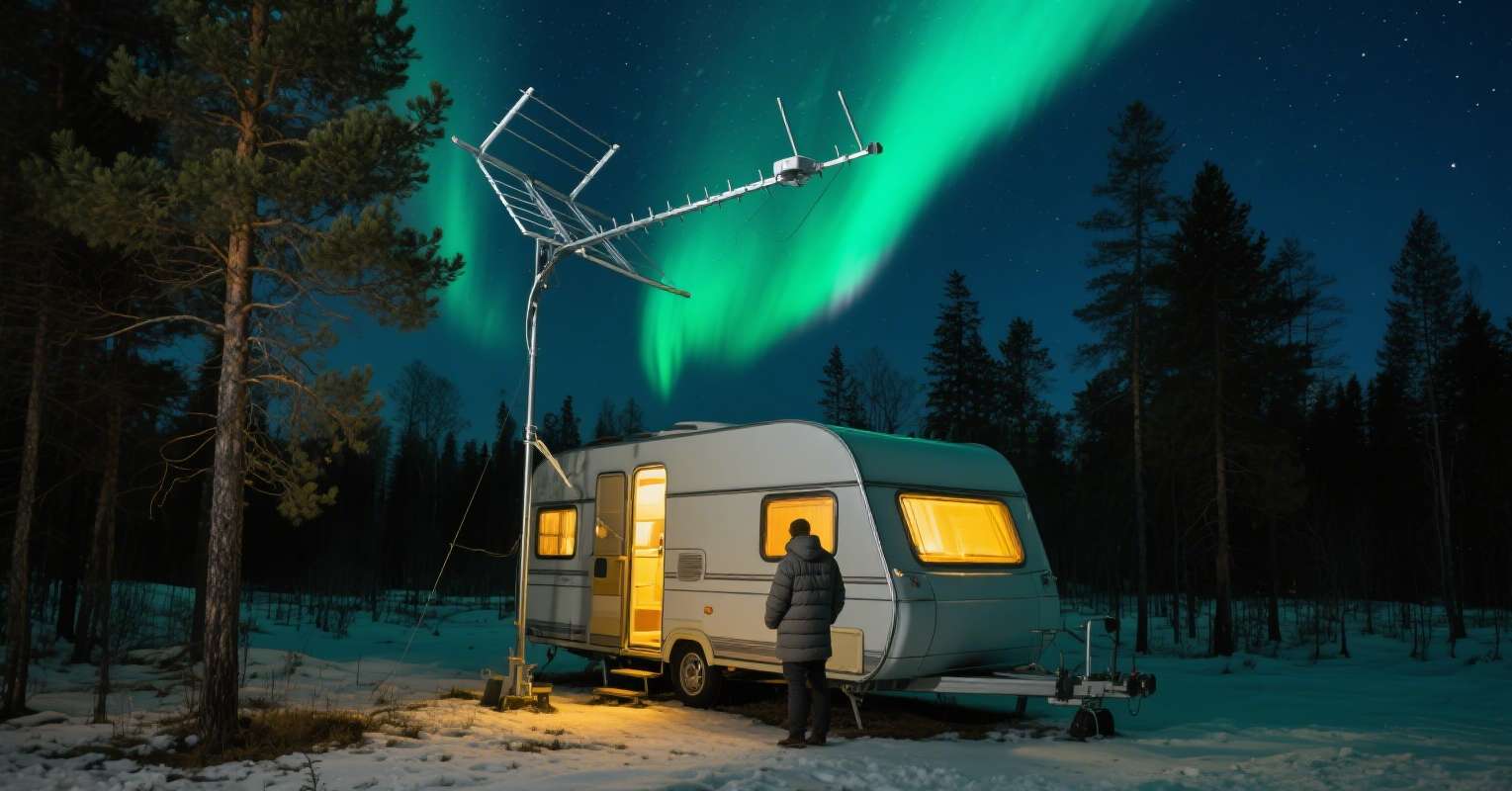
A multi directional TV antenna is designed to receive broadcast signals from various angles, making it ideal for urban and suburban environments where signals may bounce off buildings or originate from different locations. Whether you're in a rural farmhouse, a city apartment, or on the road in an RV, this type of antenna offers flexibility and stable reception.
In this article, we’ll guide you through the differences between multidirectional and omnidirectional antennas, how to choose the right product, and why SHEN ZHEN QIYUNTONG ELECTRONIC TECHNOLOGY CO., LTD. is a trusted partner for global antenna solutions.

What Is the Difference Between a Multidirectional and Omnidirectional Antenna?
To choose the right antenna, you must first understand how multidirectional antennas differ from omnidirectional models — a common point of confusion.
A multidirectional TV antenna is designed to receive signals from several directions but still within a limited horizontal angle (typically 90°–180°). It provides better range and signal strength compared to omnidirectional antennas, especially in areas where the signal sources are concentrated in more than one specific direction — such as a city where stations are spread out over a 120° arc.
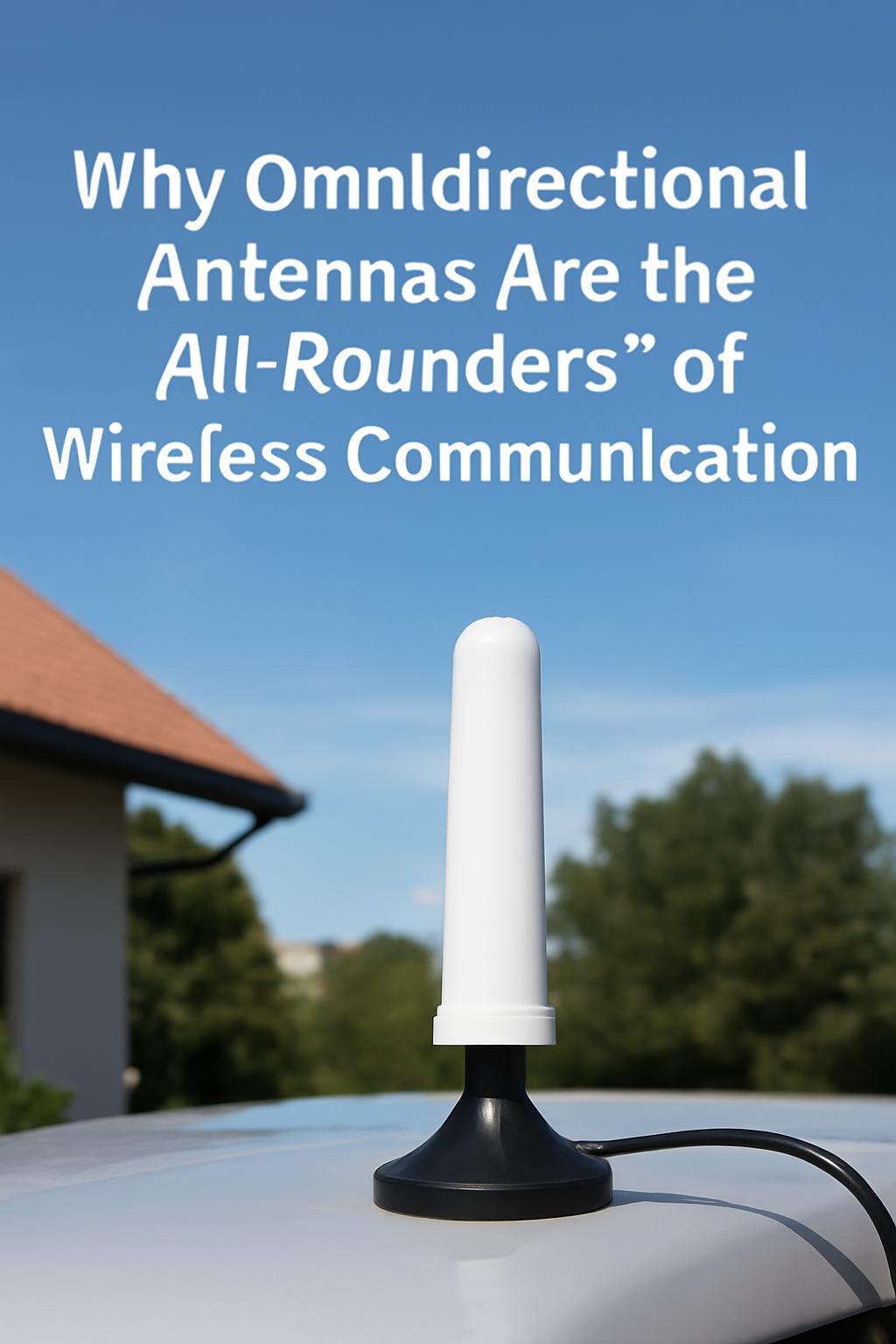
An omnidirectional antenna, on the other hand, receives signals from a full 360° radius. It’s useful in areas with evenly dispersed towers, but it often sacrifices signal strength and range to achieve this wide coverage.
In short:
-
Use a multidirectional TV antenna if your local towers are scattered but not in every direction.
-
Use an omnidirectional antenna in dense urban environments with evenly distributed towers.
For a deeper technical breakdown, you can visit AntennaWeb.org, a reputable source for broadcast tower mapping and antenna recommendations.

How to Choose the Right Multi-Directional TV Antenna
When selecting a multi directional TV antenna, consider the following factors to ensure strong and reliable signal reception:
1. Distance to Broadcast Towers
Use tools like the FCC’s DTV Reception Map to locate nearby transmission towers. Multidirectional antennas typically perform well within 35–70 miles of tower clusters.
2. Installation Environment
If you're mounting the antenna outdoors, make sure it's elevated and unobstructed. For indoor or attic installation, ensure the walls or roof don’t contain signal-blocking materials like metal insulation.
3. Frequency Support
Ensure the antenna supports both UHF and VHF frequencies. Some broadcasts still use VHF, and not all multidirectional antennas can capture these signals effectively.
4. Built-In Amplifier
For households located farther from towers or with long coaxial cable runs, a model with a built-in amplifier can make a significant difference in signal clarity.
By evaluating these aspects, you can choose an antenna that suits your location, viewing preferences, and budget.
Partnering with SHEN ZHEN QIYUNTONG ELECTRONIC TECHNOLOGY CO., LTD.
As a leading manufacturer in the TV antenna industry, SHEN ZHEN QIYUNTONG ELECTRONIC TECHNOLOGY CO., LTD. offers cutting-edge multi directional TV antenna solutions for global customers.
Why Choose Us?
-
Two Decades of Expertise: With over 20 years of manufacturing experience, we serve clients across the U.S., Europe, Japan, and Southeast Asia.
-
OEM & ODM Services: Whether you're sourcing antennas for retail or custom branding, we provide full customization and engineering support.
-
Reliable Range: Our multidirectional antennas are designed to operate efficiently in real-world conditions, covering up to 70 miles with minimal signal loss.
-
Durability & Compliance: All our products meet international safety and electromagnetic compliance standards, and are built to withstand various weather conditions.
Applications
Our antennas are ideal for:
-
Residential homes (urban or rural)
-
Mobile RV setups
-
Hospitality and lodging businesses
-
Global electronics distributors seeking quality assurance
We also provide documentation, signal planning tools, and technical support for all deployments.
Contact us today for custom solutions or to request a product catalog.

Installation Tips and Maintenance Best Practices
To get the best performance out of your multi directional TV antenna, correct installation is key.
Step-by-Step Setup:
1.Choose an Optimal Location: Install the antenna on a rooftop or attic near a window, with as few physical obstructions as possible.
2.Use High-Quality Coaxial Cable: RG6 cables are recommended for minimum signal loss.
3.Avoid Interference: Keep the antenna away from electrical devices or thick concrete walls.
4.Perform a Channel Scan: Once connected to your TV, initiate a digital scan to detect all available channels.
Maintenance Tips:
-
Inspect the mount and cabling regularly.
-
Clean any outdoor units of dust and debris.
-
Re-scan channels every few months to catch any network changes.
With the right setup and maintenance, a multi directional antenna can deliver years of reliable, cost-free TV access.
Conclusion: Embrace the Future of Free TV
A multi directional TV antenna is one of the smartest investments for modern households looking to break free from cable bills while enjoying quality entertainment. By understanding your signal environment and choosing the right hardware — especially from trusted manufacturers like SHEN ZHEN QIYUNTONG ELECTRONIC TECHNOLOGY CO., LTD. — you’re well on your way to stable and high-definition TV, anywhere in the world.
Looking to learn more? Visit:
AntennaWeb.org
FCC DTV Reception Map
UHF vs VHF TV Antennas-Whs the Difference and Why It Matters
How to Choose the Best Antenna Booster for TV Reception in Weak Signal Area
Related Article