How Far Can a TV Antenna Outdoor Long Range Really Reach-The Truth Revealed

How Far Can a TV Antenna Really Reach?
In an age where cutting the cord is becoming a global trend, consumers are increasingly turning to TV antennas to access free-to-air channels without the need for expensive cable subscriptions. But one question continues to arise among rural residents, RV travelers, and even urban users: how far can a TV antenna outdoor long range truly reach?
Some brands boldly advertise that their antennas can reach distances of 500 miles or more. But is that even technically possible? This article delves into the science behind TV antenna outdoor long range reception, clarifies marketing myths, and helps you make informed choices with professional product insights. Whether you're looking to install an attic antenna, rooftop setup, or mobile solution for your camper, we’ve got you covered.
Let’s start by understanding what factors really determine an antenna’s reception distance.

What Determines TV Antenna Range?
The reception range of a tv antenna outdoor long range depends on a combination of physical, environmental, and technological factors. It's not just about having a large antenna — where and how you install it is equally critical.
1. Geographic Location
Mountains, forests, and buildings can block or reflect TV signals. Antennas perform best in elevated, open areas with a clear line of sight to transmission towers.
2. Type of Antenna
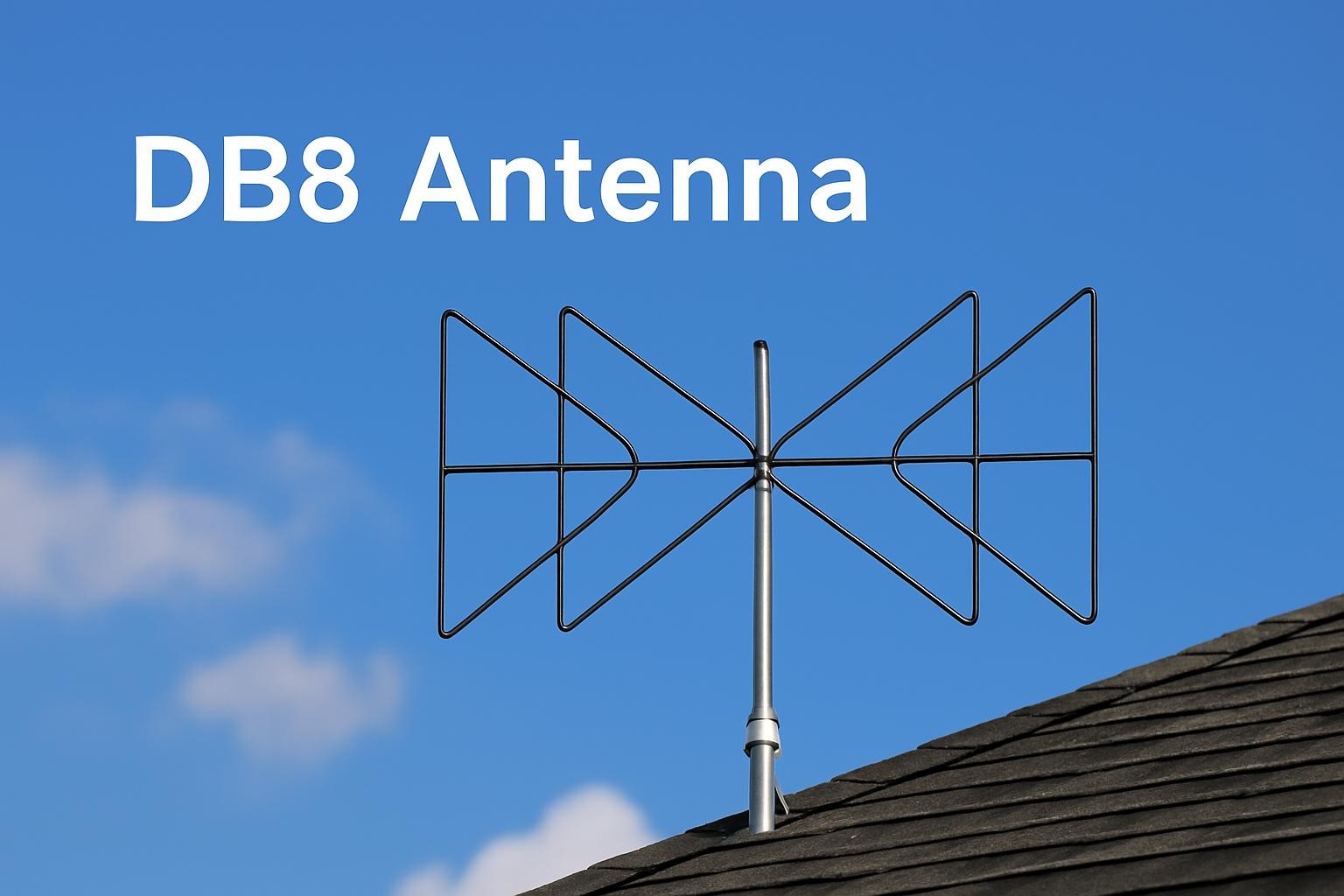
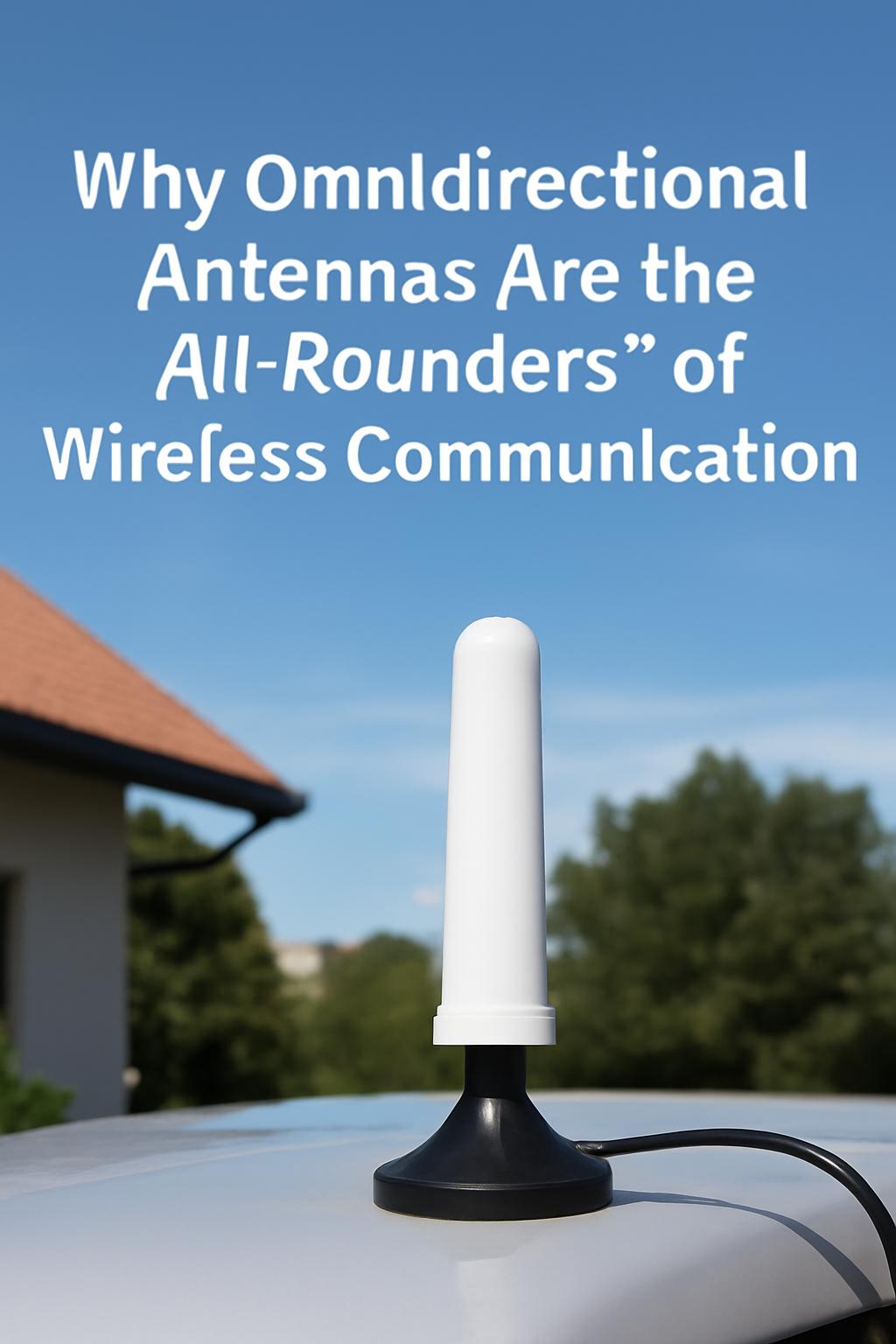
There are directional and omnidirectional antennas. Directional antennas generally offer longer range since they concentrate signal reception in one direction. Long-range antennas are usually directional, high-gain models designed for UHF/VHF frequencies.
3. Antenna Height
The higher the antenna, the fewer obstructions between it and the broadcast source. A tv antenna outdoor long range installed on a rooftop can significantly outperform one in an attic due to fewer barriers.
4. Signal Amplification
A built-in amplifier (or separate preamplifier) can boost weaker signals, but it's not a miracle solution. It helps most when you have long cable runs or are just outside normal signal range.
5. Local Broadcast Infrastructure
Tools like the FCC DTV Reception Map (fcc.gov/dtvmaps) or AntennaWeb.org can help you check how far broadcast towers are from your location, and what channels you can expect to receive.
Realistically, most quality long-range antennas can receive signals from up to 70 to 150 miles under ideal conditions. Beyond that, the curvature of the Earth and signal degradation make it physically improbable.

Understanding the 500-Mile Antenna Myth
The promise of a "500-mile" TV antenna sounds enticing. For people living in remote areas or frequently traveling in an RV, that level of performance could eliminate dependence on paid services. However, it's important to understand the technical truth behind these claims.
The Physics of TV Broadcast Signals
TV signals travel in straight lines — they are line-of-sight. Due to the Earth’s curvature, most UHF/VHF signals cannot reach beyond 100-150 miles. Beyond that, the signal either becomes too weak or is blocked entirely by terrain and the atmosphere.
Marketing Tactics vs. Real Performance
Many “500-mile” antennas are using marketing hype rather than scientific fact. What these numbers often refer to is an ideal, interference-free lab scenario — not actual field performance. Reputable manufacturers typically state realistic ranges like 60 to 150 miles.
Amplification Doesn't Extend Distance Indefinitely
Amplifiers boost the strength of signals already received by the antenna. They don't pull in signals from beyond the physical range — meaning they can’t make a 70-mile antenna behave like a 300-mile one.
Conclusion
While you won’t get a 500-mile range, you can get exceptional performance with a well-placed outdoor TV antenna that’s matched to your location and needs. The key is choosing equipment from manufacturers who offer transparency and quality engineering.
SHEN ZHEN QIYUNTONG ELECTRONIC TECHNOLOGY CO., LTD. — Outdoor Antenna Expertise You Can Trust
At SHEN ZHEN QIYUNTONG ELECTRONIC TECHNOLOGY CO., LTD., we specialize in designing and manufacturing high-performance TV antennas for outdoor and mobile applications. With over 20 years of industry experience, we serve clients across Europe, the United States, Japan, and Southeast Asia, offering both OEM and ODM customization.
Our Product Advantages Include:
-
True Long-Range Reception: Our directional and multi-element antennas are engineered to perform reliably at ranges of 60 to 150 miles in real-world outdoor conditions.
-
Weather-Resistant Design: All outdoor antennas feature corrosion-resistant finishes, high-gain aluminum elements, and waterproof housing — ideal for long-term rooftop or attic use.
-
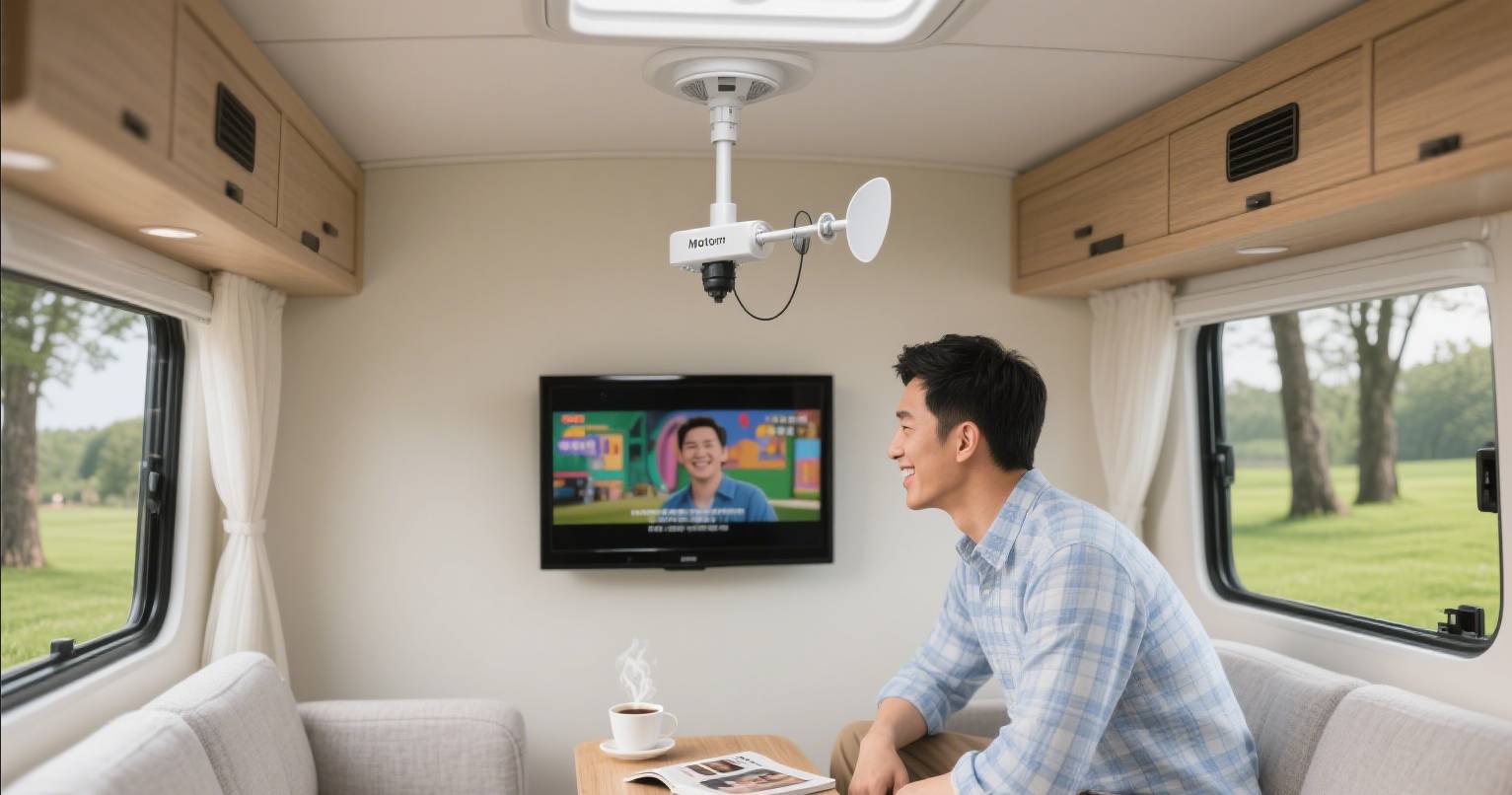
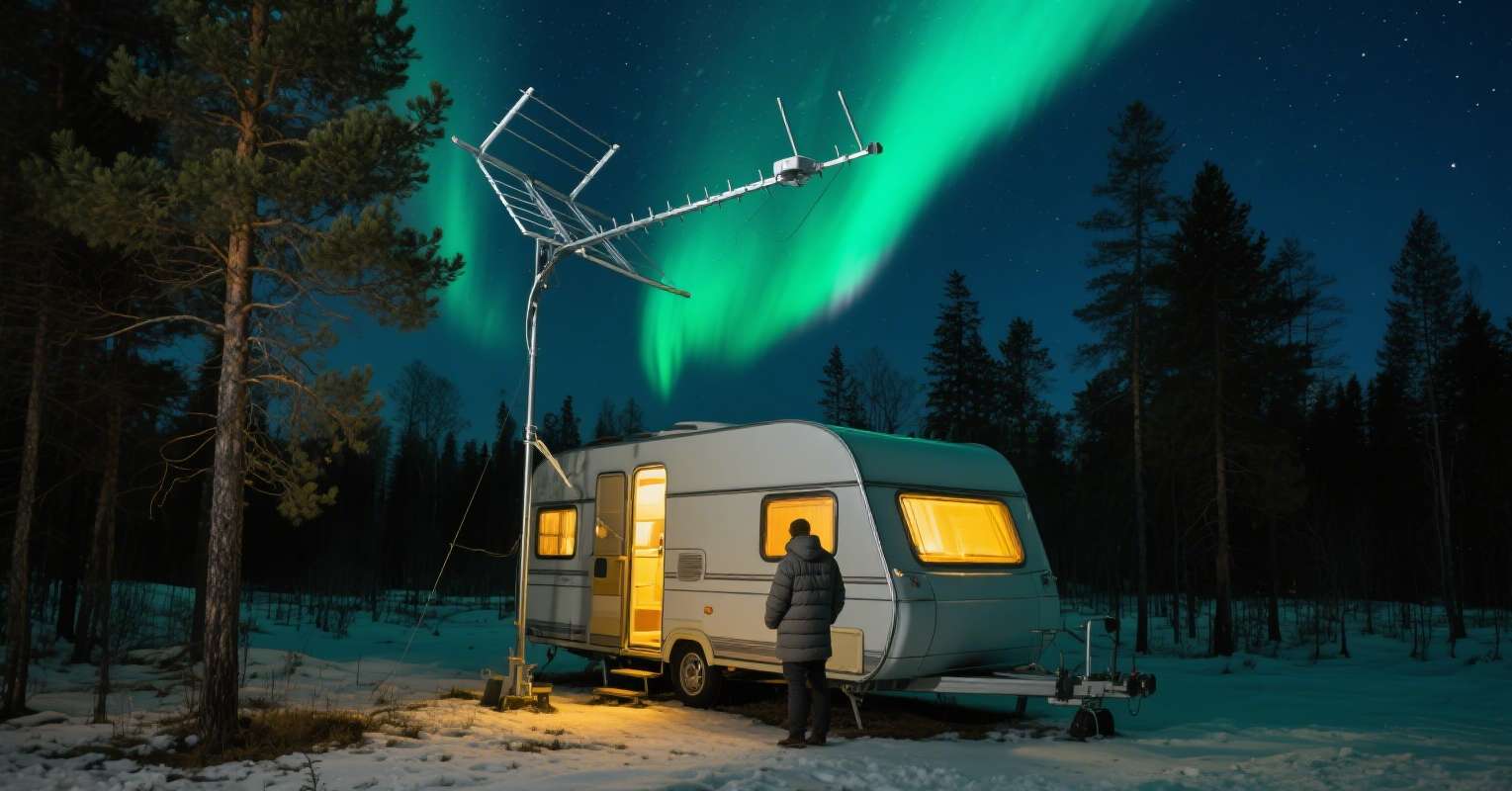
Versatile Applications: From residential homes to mobile RV setups, our antennas are designed for various environments, including rural and mountainous regions.
-
Easy Installation & Compatibility: Compatible with UHF/VHF frequencies, HDTV formats, and available with built-in signal amplifiers, our antennas integrate easily with DVRs and coaxial setups.
Whether you're upgrading your existing installation or sourcing products for global distribution, SHEN ZHEN QIYUNTONG ELECTRONIC TECHNOLOGY CO., LTD. is your reliable manufacturing partner. Our team also offers consulting and technical support for complex project deployments.
Contact us today for custom product solutions or bulk order inquiries.

How to Choose and Install the Right Outdoor Long Range Antenna
Even the best long-range outdoor antenna will only perform well if installed correctly. Here are the most important steps and considerations to ensure optimal reception.
1. Identify Your Broadcast Sources
Use AntennaWeb or NoCable to find out the direction and distance of local TV towers. This helps you determine if a directional or omnidirectional antenna is best.
2. Choose the Right Mounting Location
Rooftop installations are preferable. If that’s not possible, a high-attic location can also be effective — just make sure your attic isn’t insulated with metal-backed materials that block signals.
3. Select the Right Cable and Amplifier
Use high-quality RG6 coaxial cable to minimize signal loss. If your cable run is more than 50 feet, consider adding a signal amplifier to maintain strength.
4. Perform a Channel Scan
After installing your antenna and connecting it to your TV or DVR, perform a full channel scan to detect available stations. Re-scan occasionally as channel frequencies or tower strengths change.
5. Maintain and Weatherproof
Ensure your antenna is securely mounted and shielded from wind or lightning hazards. Periodically check cables and connectors for damage.
By following these steps, you’ll maximize the performance of your outdoor TV antenna and enjoy free, high-definition television with no monthly bills.
Conclusion
While the idea of a 500-mile TV antenna may be more fiction than fact, a high-quality outdoor long-range antenna installed correctly can deliver stunning results — even in rural and remote locations.
By understanding how antenna range truly works, avoiding misleading claims, and selecting equipment from trusted manufacturers like SHEN ZHEN QIYUNTONG ELECTRONIC TECHNOLOGY CO., LTD., you can take full control of your TV viewing experience without relying on cable or streaming subscriptions.
For more information on available signals in your area, visit:
1.FCC DTV Reception Maps
2.AntennaWeb Signal Finder
How to Use a USB TV Antenna to Watch Live Channels for Free
TV Antenna and DVR-How to Record Live TV with No Wi-Fi Required
Related Article