How Digital Antenna VHF Technology Delivers Extended Coverage and Stunning Clarity

Introduction: A New Era for Digital TV Reception
As more consumers cut ties with costly cable subscriptions, the demand for reliable, high-quality over-the-air (OTA) television continues to rise. While many users understand the value of using a digital antenna, fewer are aware of the role VHF (Very High Frequency) plays in ensuring broad signal coverage and clear picture quality.
Why do some users receive more channels than others even in similar locations? Why is the signal stronger in rural valleys but not in urban centers? The answer often lies in the antenna's ability to receive both UHF and VHF frequencies.
This article explores the science behind digital antenna VHF reception and its impact on range and clarity—especially for users located far from broadcast towers. From choosing the right antenna to learning about top-performing manufacturers, here’s what you need to know.

What is a Digital VHF Antenna Used For?
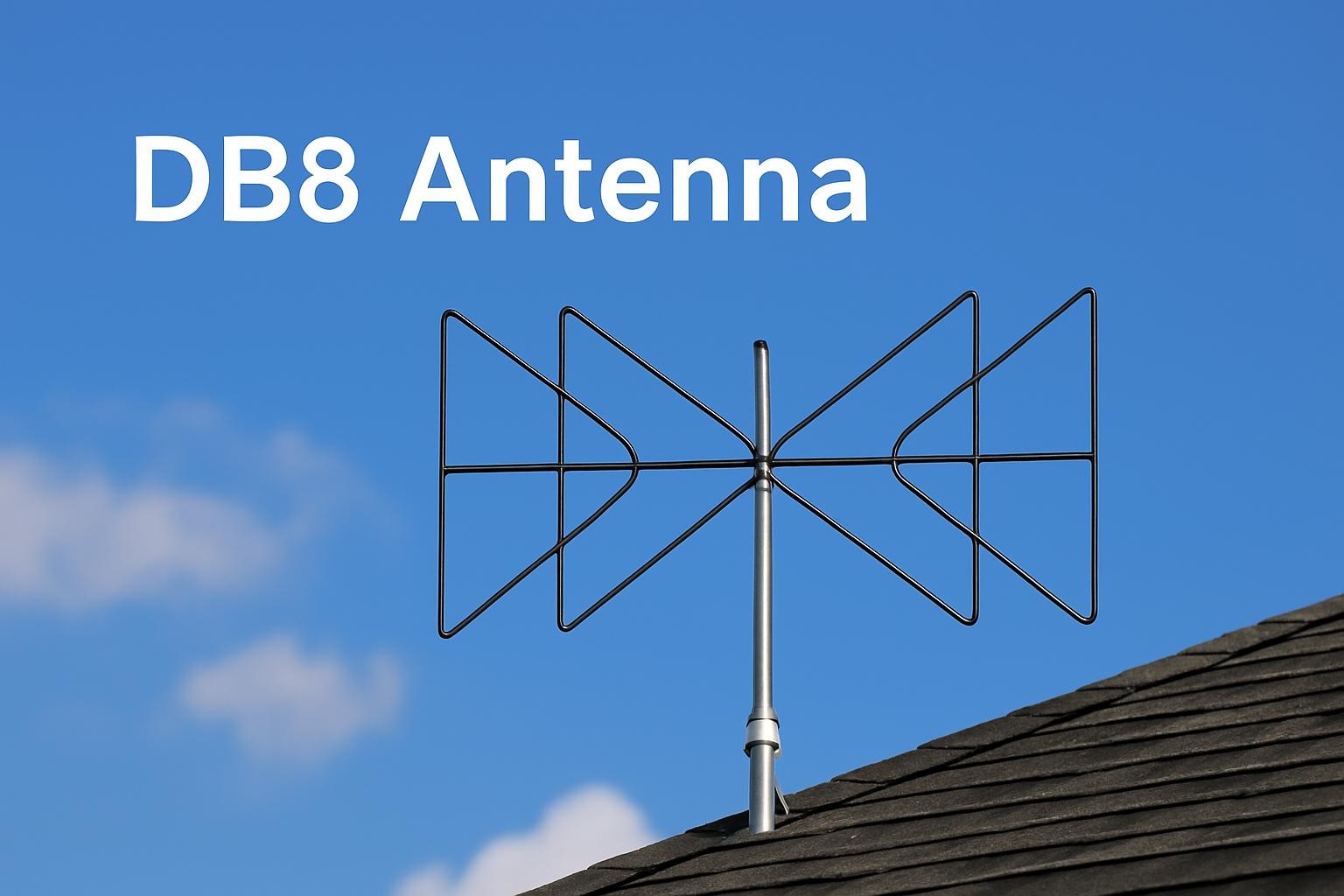
A digital antenna VHF is specifically engineered to receive Very High Frequency television signals—typically channels 2 through 13, transmitted between 54 MHz and 216 MHz. While UHF (Ultra High Frequency) antennas dominate the modern market, VHF remains essential in many regions where major networks broadcast in this spectrum.
Unlike UHF signals, which offer compact range and are prone to obstruction, VHF signals travel farther and are less affected by trees, walls, or interference. This makes digital VHF antennas particularly valuable for:
-
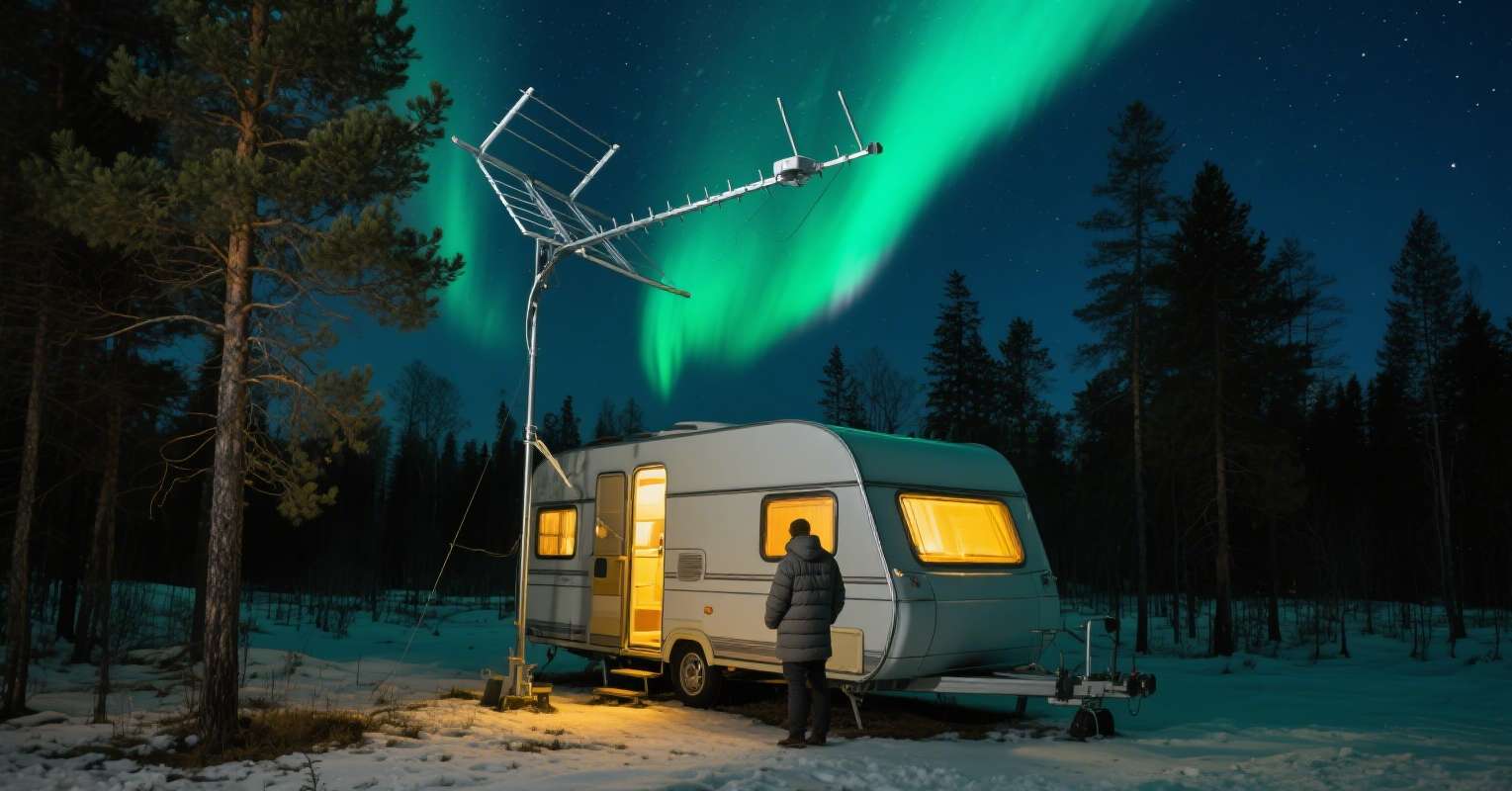
Rural residents who are far from transmission towers.
-
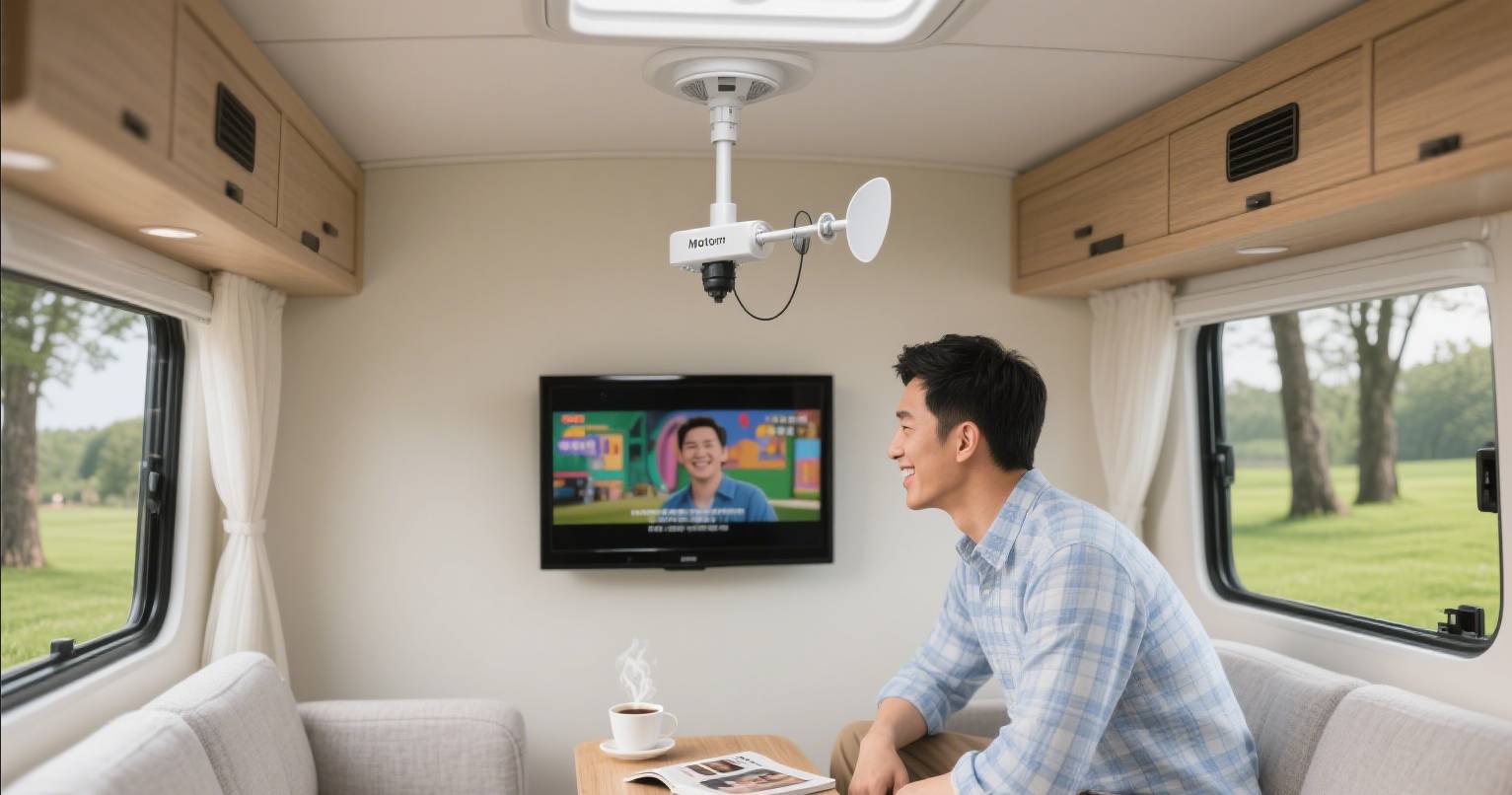
RV and camper users who rely on mobile reception while traveling.
-
Urban users whose buildings block higher-frequency UHF signals.
Many local stations—including PBS, ABC, and NBC affiliates—still broadcast in the VHF range. A digital antenna that doesn’t support VHF could miss key channels, even in urban areas.
Helpful resource: FCC DTV Reception Map
In summary, a VHF-compatible digital antenna is not just a legacy tool; it’s essential for anyone seeking maximum channel access and reception reliability.

How VHF Antennas Enhance Signal Range and Clarity
When it comes to reception distance and signal quality, VHF antennas offer distinct advantages over their UHF-only counterparts. This is especially critical for viewers in fringe areas or locations surrounded by terrain obstacles.
Extended Range
Thanks to their longer wavelength, VHF signals travel further and penetrate obstacles better. This allows a digital antenna VHF to pull in stations located 60–100 miles away under optimal conditions—ideal for users in mountainous or remote regions.
Stability in Poor Weather
Unlike UHF signals, which can be easily disrupted by rain, snow, or urban noise, VHF frequencies are more resilient. This stability makes a VHF antenna the smart choice for environments with fluctuating conditions.
Better Clarity for Core Channels
In many regions, the most-watched networks still rely on VHF broadcast. With a properly tuned VHF antenna, users enjoy sharper images and consistent sound, especially on HD and 4K-capable TVs.
Compatibility with Hybrid Antennas
Modern multi-band antennas combine VHF and UHF functionality. Choosing a hybrid digital antenna that supports both ranges ensures you capture every available station without compromise.
Tip: Always verify which frequencies your local stations use by consulting AntennaWeb or your country’s broadcast authority.
SHEN ZHEN QIYUNTONG ELECTRONIC TECHNOLOGY CO., LTD. — Your Partner for Advanced Digital Antenna Solutions
At SHEN ZHEN QIYUNTONG ELECTRONIC TECHNOLOGY CO., LTD., we pride ourselves on delivering cutting-edge antenna solutions that combine innovation, reliability, and real-world performance. With over 20 years of experience, we serve customers in North America, Europe, Japan, and Southeast Asia with both OEM and ODM services.
Our VHF-Enabled Digital Antennas Feature:
-
True Long-Distance Reception: Engineered to capture signals from 60–150 miles, our antennas are ideal for rural homes, RVs, and mountainous zones.
-
Dual-Band UHF/VHF Technology: Ensures no channel is missed by covering the entire spectrum of OTA broadcasts.
-
Weather-Resistant Materials: Aluminum construction, anti-corrosion coatings, and waterproof enclosures guarantee performance in harsh environments.
-
Amplified Options: Integrated signal boosters reduce noise and enhance clarity for longer cable runs or weak signal zones.
-
Quick Installation: Easy-to-follow guides and universal mounting options allow for seamless setup on rooftops, attics, or mobile platforms.
Whether you’re upgrading an existing antenna or sourcing premium long-range models for your distribution business, QIYUNTONG is the trusted name behind powerful and professional-grade solutions.
Reach out to us today for volume pricing or tailored product configurations.

How to Choose and Install the Right Digital VHF Antenna
Purchasing a high-quality digital antenna VHF is only the beginning. Proper installation and setup are essential to unlocking its full potential. Here’s a step-by-step guide:
Step 1: Know Your Local Signals
Before installation, visit tools like AntennaWeb or NoCable to determine which frequencies are used in your area. If you see many VHF stations listed, make sure your antenna explicitly supports that range.
Step 2: Select the Optimal Location
Outdoor installation on a rooftop provides the clearest path to towers. However, a high attic may also work if it is free from metallic insulation or dense walls.
Step 3: Use the Right Equipment
-
Choose a hybrid VHF/UHF antenna for full coverage.
-
Use RG6 coaxial cable to prevent signal degradation.
-
Add a signal amplifier if the cable length exceeds 50 feet or you’re located at the edge of the broadcast range.
Step 4: Perform a Channel Scan
After connecting your antenna to a digital TV or tuner, run a full channel scan. This ensures your device locks onto all available stations in both the UHF and VHF bands.
Step 5: Monitor and Adjust
Reception can vary with weather or tower updates. Periodically re-scan your channels and inspect cable integrity to maintain optimal performance.
Frequently Asked Questions (FAQ)
Q1: Do all digital antennas receive VHF signals?
A: No. Many compact models focus only on UHF. Always check the antenna specs for VHF compatibility.
Q2: Can I use a digital VHF antenna indoors?
A: Yes, but expect reduced performance. For best results, mount the antenna outdoors or in a high, open attic.
Q3: Will a VHF antenna work with a 4K TV?
A: Absolutely. Digital signals received via VHF can be displayed in 1080p or 4K quality, depending on the broadcast and your TV.
Q4: Are digital VHF antennas good for RVs?
A: Yes. Long-range hybrid models with flexible mounts and amplifiers are perfect for mobile reception.
Why Won not My Digital Antenna Pick Up Channels -And What You Can Do About It
Digital Antenna for Fire TV-Everything You Need to Know
Related Article