HD Antenna Outdoor vs Indoor- Which Digital Antenna Delivers the Best Signal
Introduction
In today’s digital television era, more and more households are moving away from expensive cable subscriptions and turning toward digital antennas as a cost-effective way to access free local HD channels. With this growing trend comes an important question: should you invest in an outdoor HD antenna or stick with an indoor model? Many consumers are uncertain whether outdoor antennas truly outperform indoor ones, or if the difference is marginal. This article will provide a detailed comparison between HD antenna outdoor and indoor models, analyzing signal reception, installation complexity, durability, and use cases. By the end, you will clearly understand which antenna best suits your home setup and viewing habits, while also discovering innovative digital antenna solutions from SHEN ZHEN QIYUNTONG ELECTRONIC TECHNOLOGY CO., LTD.

Signal Reception: Outdoor vs Indoor
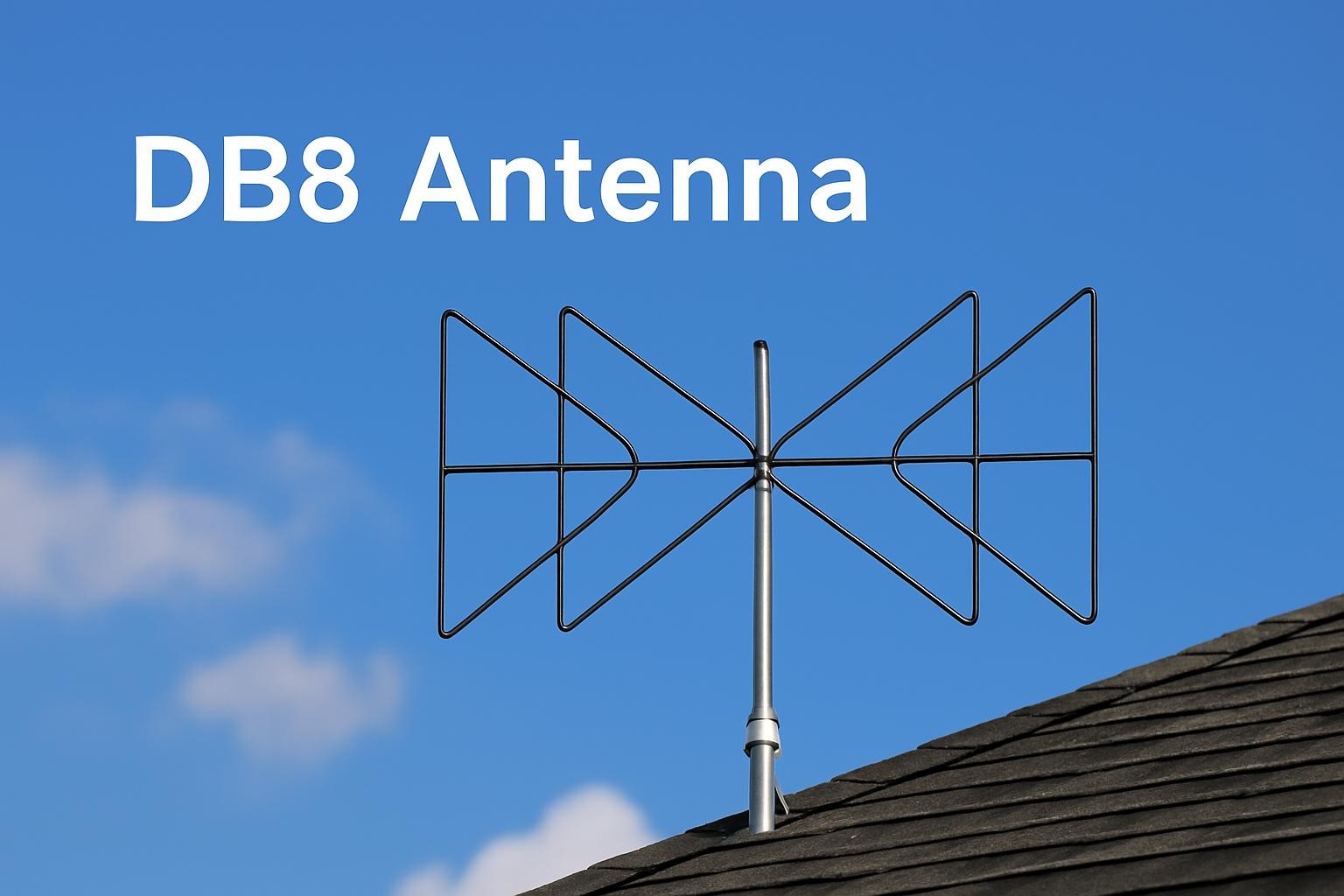
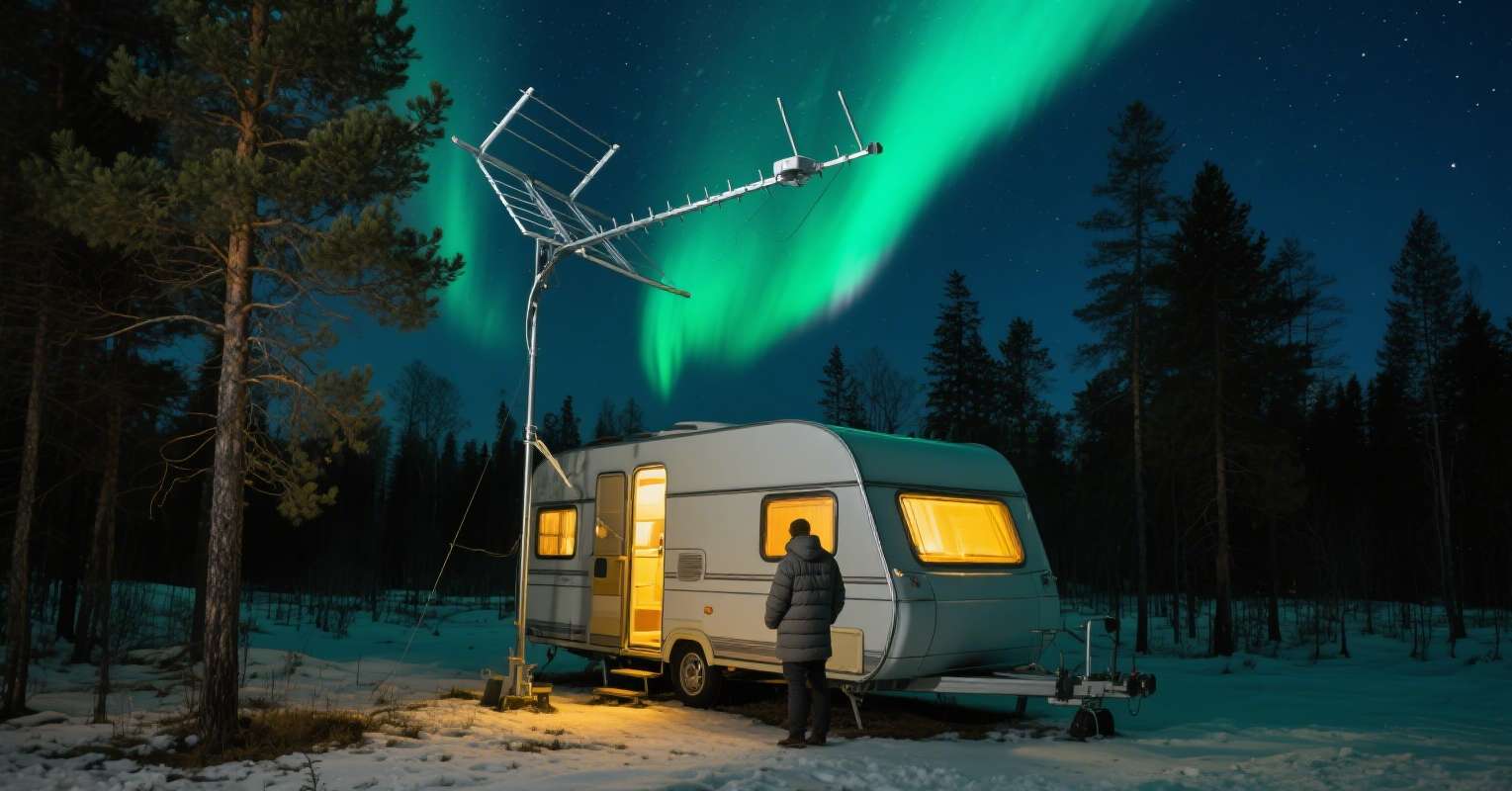
Signal reception is the single most important factor when choosing a digital antenna. Outdoor antennas are typically installed on rooftops, balconies, or poles, which gives them a higher vantage point with minimal obstructions. This allows them to receive signals from broadcast towers located up to 80–120 miles away, depending on model and terrain. Outdoor antennas can also handle both UHF and VHF frequencies, ensuring better compatibility with a wide range of channels.
By contrast, indoor antennas are limited by walls, ceilings, and nearby electronic interference. While they can work well in city centers where broadcast towers are close, their reception quality drops significantly in suburban or rural settings. Indoor antennas may only cover a range of 20–40 miles, meaning fewer available channels and higher susceptibility to signal dropouts.
To illustrate, imagine two households: one in the middle of a city apartment, the other on the outskirts of town. The urban home with an indoor antenna might receive 25+ local HD channels, while the suburban home with an indoor antenna may only get 8–10. Switching to an outdoor HD antenna in the suburban scenario could unlock 40+ stable HD channels.
In conclusion, when it comes to signal reliability and channel variety, HD outdoor antennas clearly deliver superior performance compared to indoor models.
Installation and Setup
Another factor consumers often consider is installation. Indoor antennas are plug-and-play devices—simply connect the antenna to your television, place it near a window, and start scanning channels. This makes them ideal for renters, frequent movers, or people who want a quick solution without drilling holes or running cables.
Outdoor antennas, on the other hand, require more effort during installation. They are usually mounted on rooftops or external walls, which may involve climbing, proper anchoring, and running coaxial cables into the home. However, this effort pays off, as outdoor antennas usually offer a one-time installation with long-term stability. Once mounted, there is minimal need for repositioning, unlike indoor antennas that may need to be adjusted frequently depending on weather or interference.
A key consideration is whether you want to connect multiple TVs. With the right splitter, outdoor antennas can distribute signals to 2–4 televisions (or more), making them a better choice for large households. Indoor antennas, while convenient, typically perform best when connected to just a single TV.
Therefore, if you value ease of use and mobility, an indoor antenna is sufficient. But for long-term stability and multi-TV households, an HD outdoor digital antenna is the smarter investment.

Durability and Weather Resistance
Durability is another clear differentiator. Outdoor antennas are specifically designed to withstand the elements. High-quality outdoor models are built with weatherproof coatings, corrosion-resistant materials, and reinforced mounts that allow them to survive strong winds, heavy rain, and even snow. This means a well-constructed outdoor HD antenna can last 8–10 years or more, delivering consistent performance over time.
Indoor antennas, by contrast, are not exposed to weather conditions. While they avoid environmental wear and tear, they often have thinner materials and simpler build quality, leading to a shorter lifespan of about 3–5 years. Additionally, indoor antennas are more prone to physical damage due to accidental drops or bending of the internal elements.
In terms of cost efficiency, while outdoor antennas may have a higher upfront price, their long-term durability makes them more economical compared to replacing an indoor antenna every few years. For households looking for a long-lasting digital antenna solution, the outdoor option is often the most cost-effective.
Best Use Cases and Product Recommendation
The choice between indoor and outdoor HD antennas ultimately depends on your location, household size, and viewing needs.
-
HD Outdoor Antennas are best suited for:
-
Rural or suburban homes located far from broadcast towers.
-
Multi-TV households that want reliable signal distribution.
-
Viewers who want the maximum number of free HD channels with fewer signal dropouts.
-
-
Indoor HD Antennas are best suited for:
-
Urban apartments close to signal towers.
-
Renters who cannot install permanent outdoor equipment.
-
Users who need a portable and budget-friendly option.
-

Our Product Recommendation
At SHEN ZHEN QIYUNTONG ELECTRONIC TECHNOLOGY CO., LTD., we specialize in designing and manufacturing advanced digital antennas that deliver unmatched performance. Our HD antenna outdoor models are engineered with high-gain reception technology, full UHF/VHF frequency coverage, and durable weather-resistant materials. These antennas ensure long-distance signal stability, allowing customers worldwide to enjoy crystal-clear HD content without monthly cable bills.
Whether you need a compact indoor antenna or a robust outdoor solution, our digital antenna portfolio is designed to meet diverse customer needs. By investing in our products, you gain access to free, high-quality digital television with reliability and efficiency that surpasses traditional options.
FAQ – Frequently Asked Questions
1. Can I use both indoor and outdoor antennas together?
Yes, it’s possible to combine them with a splitter or switch, but typically a high-performance outdoor antenna is sufficient on its own.
2. How many TVs can I connect to one outdoor antenna?
With the right distribution setup, an outdoor antenna can support 2–4 televisions without significant signal loss.
3. Do outdoor HD antennas require internet?
No. Antennas receive free over-the-air broadcast signals and work completely independently from internet connections.
4. Are outdoor antennas worth the investment?
Absolutely, especially if you live in suburban or rural areas. They provide more channels, stronger reception, and longer durability compared to indoor antennas.
5. How long will an outdoor HD antenna last?
A high-quality outdoor digital antenna, like those from our company, can last 8–10 years or more with minimal maintenance.
Outdoor TV Antennas-How to Choose the Best Digital Antenna for Your Home
Why Digital Antennas Are the Best TV Antennas Outdoors in 2025
Related Article