Does Weather Affect Your Long Distance Digital Antenna
Introduction: Why Weather Matters for TV Antennas
In today’s cord-cutting era, digital antennas have emerged as the preferred way to access free over-the-air television. Consumers looking to eliminate subscription costs often turn to long distance digital antennas for stable HDTV reception. But when heavy rain, snow, or strong winds strike, many users notice signal drops or complete blackouts.
This raises a critical question: Does weather really affect your long distance digital antenna’s performance? The short answer is yes — but understanding how and why it happens can help you choose the right equipment and prevent interruptions. Let’s explore the science behind signal behavior and the steps you can take to weatherproof your setup.

How Weather Affects Long Distance Digital Antenna Reception
Weather conditions can significantly affect the strength and consistency of your TV signal, especially when using a long distance digital antenna. These antennas rely on line-of-sight transmission from broadcasting towers, and several environmental elements can get in the way.
Rain and Snow: Heavy rain and snow cause signal attenuation. Moisture in the atmosphere absorbs parts of the UHF/VHF frequencies, leading to pixelated screens or total signal loss. Snow accumulation on the antenna can also disrupt reception.
High Winds: Strong gusts can physically misalign antennas, especially roof-mounted models. If the antenna shifts direction, it may lose the signal path to the tower.
Lightning and Static Interference: While rare, lightning storms can interfere with electronics, including amplifiers attached to the antenna. Static charge buildup in the atmosphere can also distort reception.
Fog and Humidity: Even fog and high humidity can reduce signal clarity over long distances by scattering radio waves.
In short, outdoor antennas — even long-range models — are susceptible to weather elements. But with proper setup and equipment, these issues can be minimized.
Why Are Longer Antennas Better in Bad Weather?
When selecting an antenna for consistent, all-weather performance, one of the most essential features to look for is signal gain — and antennas with longer designs generally provide superior results. If you live in a rural area or experience frequent storms, a long distance digital antenna that is well-constructed and correctly installed can maintain signal integrity even during adverse weather.
Increased Signal Gain
A longer antenna design accommodates more elements, which increases its effective aperture. This allows it to collect more signal energy and maintain strong reception even when the environment introduces signal loss through rain, snow, or fog. In high-frequency UHF bands, this gain advantage becomes especially critical.
Better Directionality for Reduced Interference
Long range antennas are usually directional, meaning they concentrate reception in a focused angle. This helps the antenna lock onto transmission towers more effectively and block out noise or reflections caused by nearby objects or turbulent weather. The focused beam also allows reception at farther distances, especially when aimed accurately using mapping tools like FCC DTV Maps.
Built to Withstand the Elements
Most high-quality long distance antennas feature aluminum alloy construction, anti-corrosion coatings, and waterproof housings. These weather-resistant materials ensure long-term durability on rooftops, towers, or mobile applications, even in extreme wind or heavy rainfall.
Advanced Weather Phenomenon: Atmospheric Ducting
A lesser-known but important weather-related issue is atmospheric ducting — a phenomenon where layers of air with differing temperatures and humidity cause TV signals to bend or refract. This can extend the effective range of signal transmission or, conversely, cause abrupt signal loss if waves are redirected away from your antenna.
Under the right conditions, atmospheric ducting can cause signals from towers hundreds of miles away to briefly become accessible — or disrupt reception of nearby stations. Though rare, this natural effect is worth considering, particularly for those relying on a long distance digital antenna in fluctuating climates.

For more on radio wave behavior in the atmosphere, refer to educational sources like ARRL’s guide on radio propagation.
SHEN ZHEN QIYUNTONG ELECTRONIC TECHNOLOGY CO., LTD. — Performance-Driven Antennas for All Climates
At SHEN ZHEN QIYUNTONG ELECTRONIC TECHNOLOGY CO., LTD., we engineer and manufacture long distance digital antennas with a focus on real-world reliability. With over 20 years of experience and clients across Europe, the U.S., Japan, and Southeast Asia, we understand what global users need in all climates.
Our Antenna Solutions Offer:
-
True Long-Range Reception: Our high-gain directional antennas are optimized for reception distances of 60 to 150 miles in a variety of environments.
-
Weatherproof Housing: All outdoor units feature waterproof, UV-resistant materials with anti-corrosion aluminum elements — ideal for year-round exposure.
-
Amplifier Integration: Select models include built-in low-noise amplifiers for stable signal boosts during low-power broadcast conditions.
-
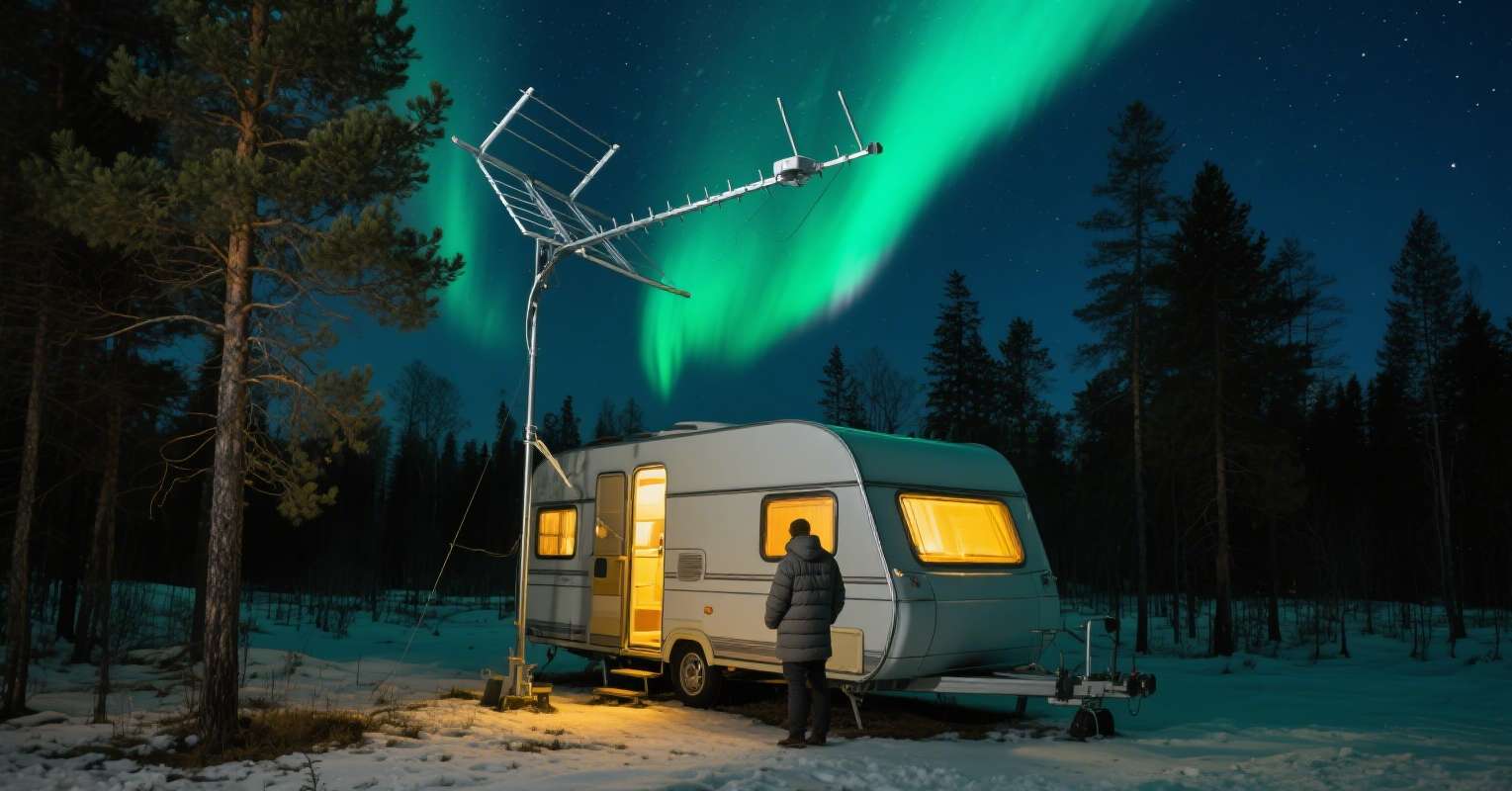
Flexible Mounting Options: Suitable for rooftops, poles, RVs, and attic installations.
Whether you're upgrading your antenna or sourcing reliable products for your distribution network, QIYUNTONG offers OEM/ODM customization, fast delivery, and expert support.
Contact us today to discuss bulk orders or technical solutions tailored to your region.

Best Practices to Protect Your Antenna in Severe Weather
Even the best long distance digital antenna can underperform if it’s not properly installed or protected. Here’s how to optimize your setup for all weather conditions:
1.Secure Mounting: Use heavy-duty brackets and galvanized steel mounts. Make sure your antenna faces the correct direction and remains stable in winds.
2.Install a Lightning Arrestor: This device can divert surges away from your equipment during lightning storms, protecting both the antenna and your connected TV.
3.Use Weatherproof Cables: Shielded RG6 coaxial cables with waterproof connectors reduce the chance of moisture-related signal loss.
4.Regular Maintenance: Inspect your antenna quarterly. Remove snow or debris, tighten mounts, and replace worn cables.
5.Consider an Amplifier: When weather weakens signals, a well-matched amplifier can maintain clarity. Be cautious: over-amplification may introduce noise.
6.Re-scan Channels After Storms: Broadcast towers occasionally shift frequencies. Re-scanning ensures you always have the latest available channels.
With proactive care and premium-quality components, you can maintain excellent signal quality—even in harsh climates.
Conclusion: Weather-Proof Your Entertainment
While it's true that extreme weather can affect TV signal reception, a properly selected and installed long distance digital antenna can perform reliably in most environments. Understanding how weather interacts with signal transmission empowers you to take control of your viewing experience — no matter where you live.
By choosing durable, weather-tested equipment from trusted manufacturers like SHEN ZHEN QIYUNTONG ELECTRONIC TECHNOLOGY CO., LTD., you can eliminate frustration and enjoy consistent access to free HDTV.
For real-time signal information, check:
Do RV TV Antennas Really Work for Digital TV-What You Need to Know
Why Your Digital Antenna Outdoor Antenna Isnt Working-and How to Fix It
Related Article