DIY Digital Antenna-How to Build One and When to Buy Instead

Introduction: Why Build a Digital Antenna Yourself?
As the demand for free-to-air digital television continues to grow, many tech-savvy individuals are exploring ways to cut the cord without sacrificing entertainment quality. One increasingly popular solution is building your own DIY digital antenna. With basic tools and a little technical know-how, it's possible to construct a functional antenna that pulls in major networks without a monthly subscription.
But how effective are these homemade devices in real-world conditions? And at what point should a consumer consider a professionally engineered alternative? This article explores how to create a diy digital antenna, when it works best, and when investing in an advanced product is the better move.
How to Build a DIY Digital Antenna
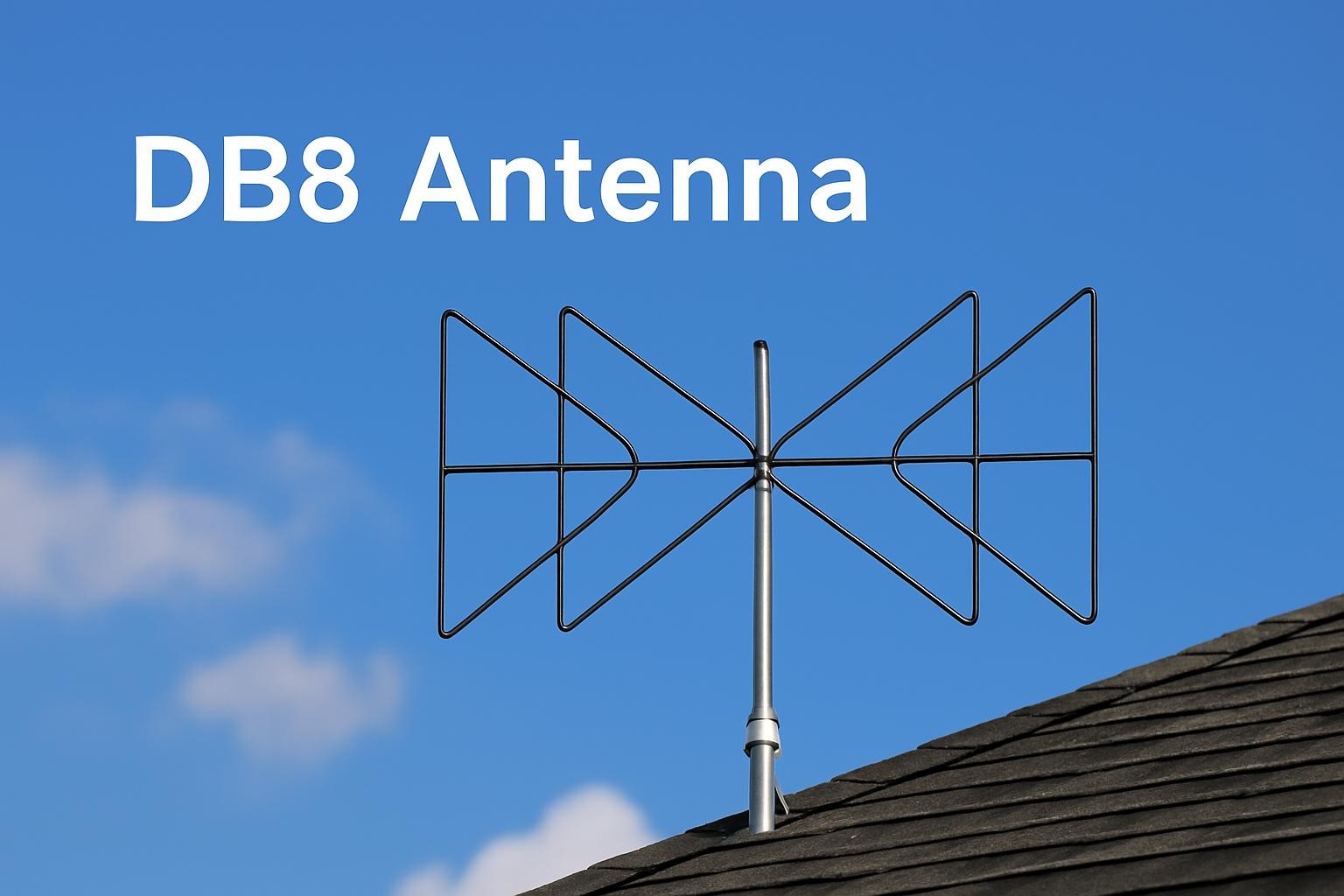
Creating a DIY digital antenna is easier than it sounds and can be a fun weekend project. Most designs use common household materials like copper wire, cardboard, aluminum foil, or wood. Here’s a quick step-by-step guide for a basic indoor bowtie antenna:
1.Materials Needed
-
8 pieces of copper wire (30cm each)
-
A wooden board (30cm x 30cm)
-
Screws and washers
-
A balun (adapter to connect to coaxial cable)
-
Coaxial cable
-
Optional: aluminum reflector panel for signal enhancement
2.Assembly:
-
Shape copper wires into V-shapes.
-
Mount them on the board in two vertical rows.
-
Connect the wires to the balun using screws and washers.
-
Attach the coaxial cable and connect to the TV.
-
Optionally, place the aluminum sheet behind the structure for directional gain.
3.Testing:
-
Position the antenna near a window.
-
Use your TV’s auto-scan feature to detect available channels.
-
Adjust placement for optimal reception.
This kind of diy digital antenna works best in urban or suburban areas where broadcast towers are nearby.
Where DIY Antennas Work—and Where They Don’t
DIY digital antennas can be surprisingly effective under the right conditions. They’re ideal for:
-
Urban apartments close to broadcasting towers.
-
Temporary setups, such as dorms or short-term rentals.
-
Tinkerers and hobbyists looking to learn about RF signal transmission.
However, there are serious limitations:
-
Signal range is significantly limited compared to commercial models.
-
Poor weather and obstacles like hills, trees, or buildings degrade reception.
-
No amplification options make them ineffective in rural or fringe areas.
-
Material durability is lower; aluminum foil and cardboard degrade over time.
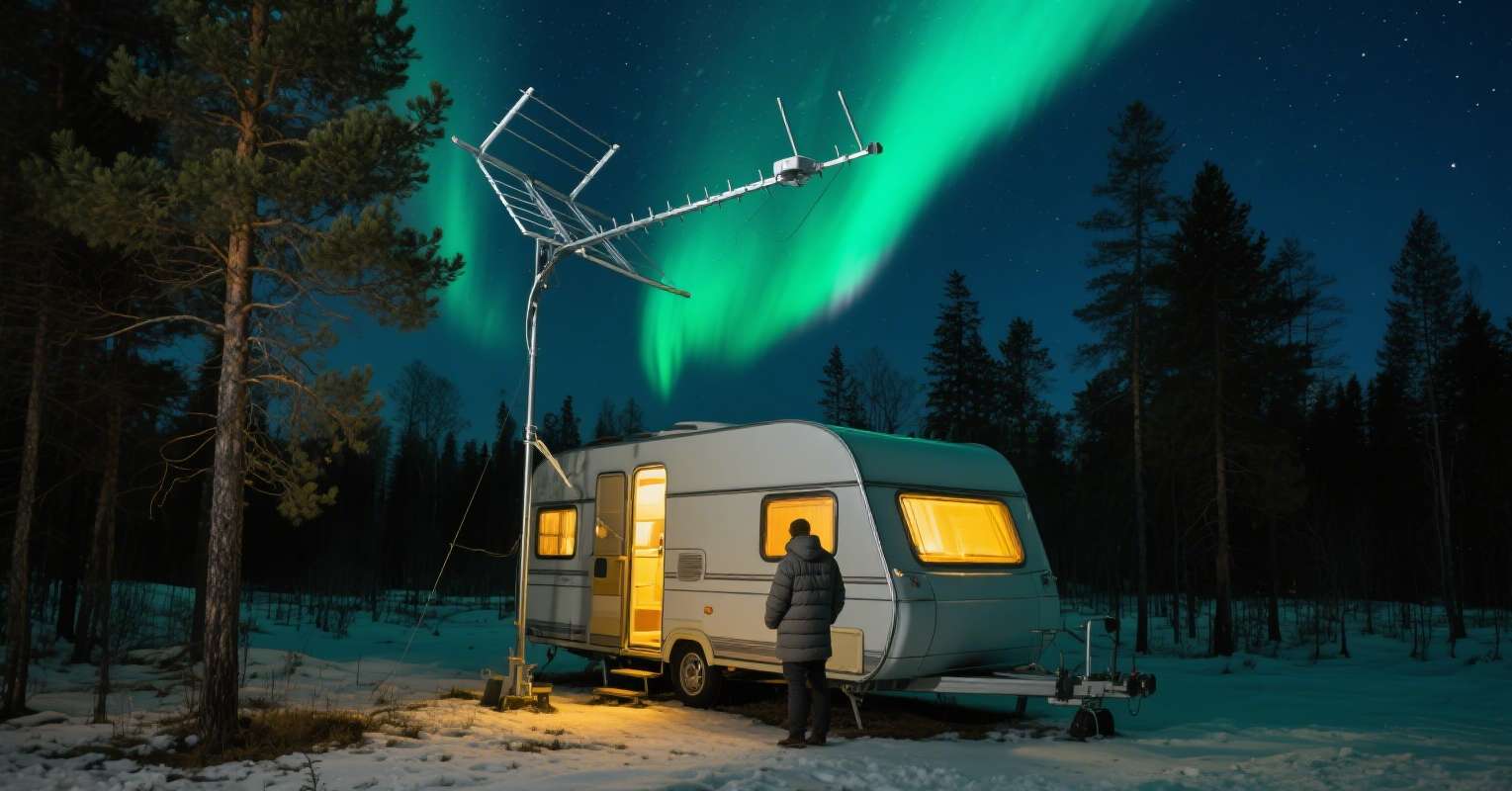
If you’re camping, living off-grid, or simply too far from the broadcast source, a professional-grade long-range antenna will far outperform even the best DIY setup.

Professional Solutions by SHEN ZHEN QIYUNTONG ELECTRONIC TECHNOLOGY CO., LTD.
For users who demand maximum reception range, signal stability, and HD picture quality, investing in a high-performance digital antenna is the smarter move. At SHEN ZHEN QIYUNTONG ELECTRONIC TECHNOLOGY CO., LTD., we specialize in advanced antennas designed to meet the needs of modern viewers across all terrains.
Our product line includes:
-
Outdoor UHF/VHF combo antennas with gain-enhancing reflectors.
-
Built-in low-noise amplifiers that boost weak signals from distant stations.
-
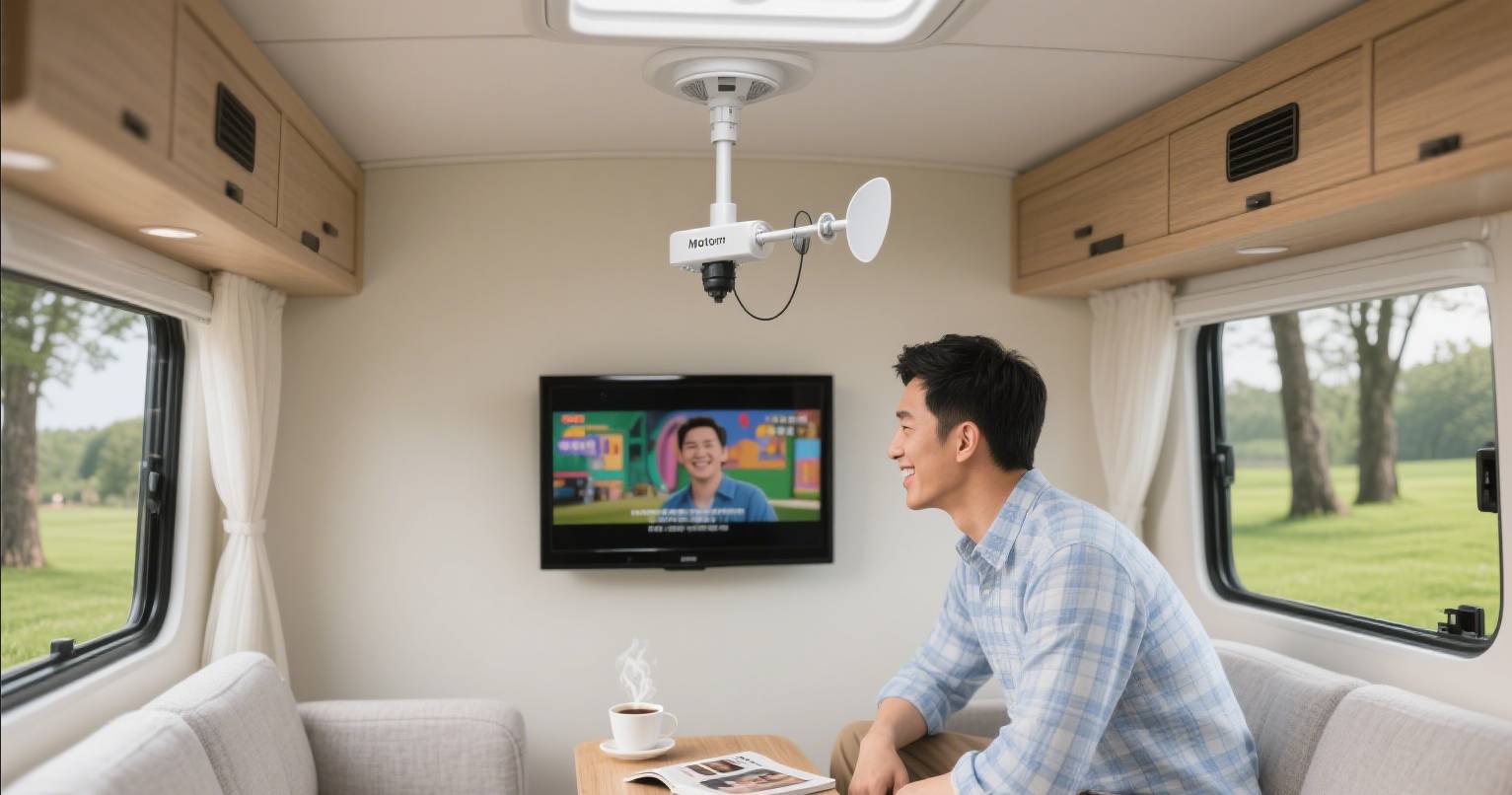
Weather-resistant housings suitable for rooftop or RV installation.
-
Omnidirectional antennas perfect for mobile applications or shifting locations.
With decades of R&D experience and a global customer base, our antennas are engineered to perform in conditions where DIY options fall short. Whether you live in a remote area or travel frequently, our solutions ensure reliable access to dozens of free HD channels without monthly fees.
When to Choose DIY vs. Commercial
Let’s break it down:
| Criteria | DIY Antenna | Professional Antenna (e.g., SHEN ZHEN QIYUNTONG) |
|---|---|---|
| Cost | Very Low | Mid-Range |
| Signal Range | Short (15–30 miles) | Long (50–150+ miles) |
| Build Time | 1–2 hours | Preassembled |
| Portability | Low | High (especially RV models) |
| HD Picture Stability | Inconsistent | Stable, High Definition |
| Weather Resistance | Poor | Excellent |
If you're curious or on a budget, trying a diy digital antenna might be worthwhile. But for dependable performance—especially over long distances—a professional-grade model delivers unmatched results.
FAQ Section
Q1: Is it legal to build your own antenna?
Yes. As long as you’re using your antenna to receive free over-the-air broadcasts, there are no legal restrictions.
Q2: What’s the biggest limitation of DIY antennas?
They often lack the gain and amplification needed to pick up weak or distant signals.
Q3: Can I use a DIY antenna for VHF and UHF signals?
Some designs support both, but typically with limited range and quality. Most DIYs are UHF-optimized.
Q4: How do I know if I should upgrade to a commercial antenna?
If you’re missing channels, experiencing frequent dropouts, or live far from broadcast towers, it’s time to upgrade.
How to Set Up a Digital Antenna Without Any Technical Skills
Camping with Comfort-Why Every Camper Needs a Digital TV Antenna
Related Article