Camping with Comfort-Why Every Camper Needs a Digital TV Antenna

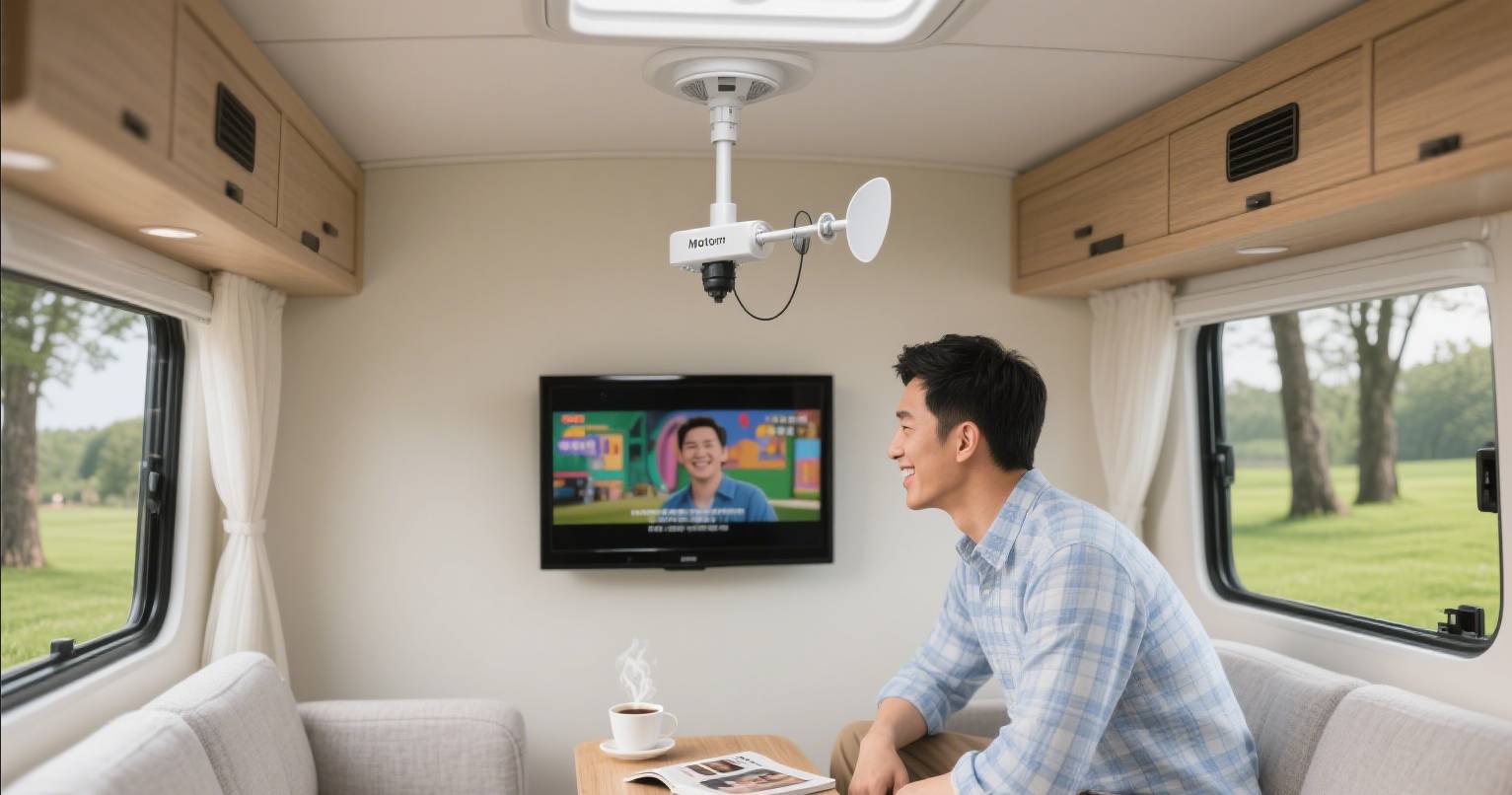
Outdoor adventure is about freedom – but today’s campers also crave creature comforts. A digital TV antenna for campers delivers exactly that: it brings free, high-definition entertainment to your campsite, even off-grid. With an antenna mounted on your RV or tent, you can access local TV channels (ABC, NBC, CBS, FOX, PBS, etc.) in crystal-clear HD . This means you never have to miss the big game or the evening news while enjoying the serenity of the woods. Best of all, digital antennas pick up free broadcast signals, so after your one-time purchase there are no subscription fees – TV is on you. In short, a digital antenna keeps you connected and relaxed during camping trips without any monthly cables or Wi-Fi charges.

The Growing Popularity of Camping and the Comfort of Home Entertainment

Practical Tips for Watching TV on the Road
Ensuring a great TV experience while camping requires a little preparation. Here are some key tips:
-
Power Supply: Most RVs provide 12V or 110V outlets, so you can run a TV and antenna from the vehicle’s battery or campground hookup. If you’re boondocking, consider a portable power station or solar panel setup to keep devices charged. Compact power stations (with ~500Wh) can easily run a small LED TV for several hours on a charge.
-
Choose a High-Definition Antenna: Always pick an HDTV antenna model. All modern broadcast stations transmit in HD, so an HD-capable antenna is a must.Look for antennas covering both UHF and VHF bands, as these catch more channels (UHF carries most digital stations, VHF can include major networks).
-
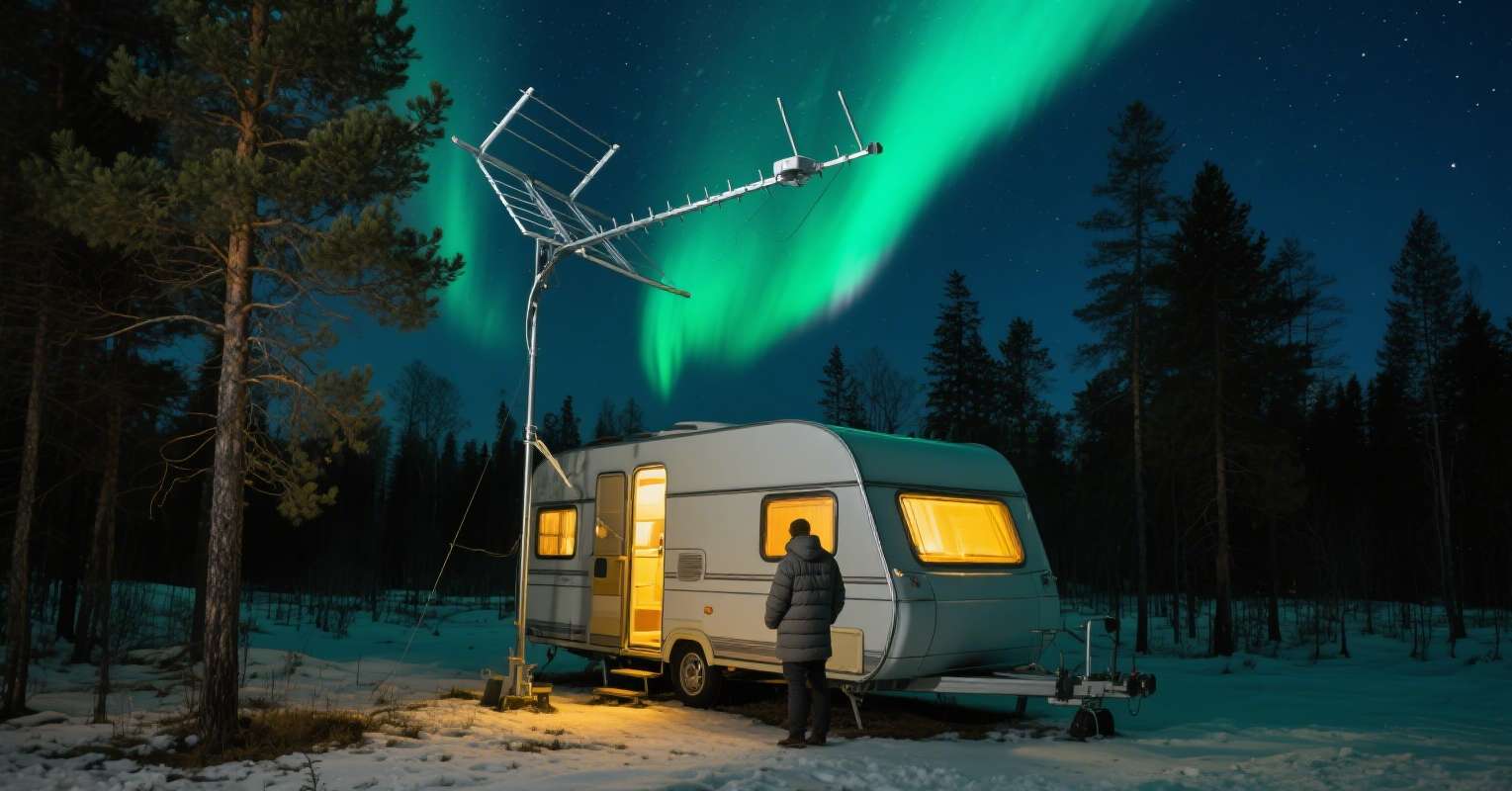
Mounting and Placement: You can mount an antenna on the RV roof or use a tripod/ground-mount outdoors. Roof-mounted antennas often give stronger signal, but portable antennas (like foldable indoor/outdoor sets) work well too, and are easier to pack away. A general rule is to keep the antenna as high as practical and clear of obstructions. At each campsite, point your antenna toward the nearest broadcast tower. Tools like the FCC’s reception maps or AntennaWeb can help you aim correctly.
-
Signal Boosters: In weak-signal areas, use an antenna amplifier or booster. A simple booster snaps onto the coax cable to amplify incoming signals.These can drastically improve reception, pulling in more channels when you’re far from the tower. Many digital antennas actually have built-in low-noise amplifiers to help in remote locales.
-
Weather Considerations: Rain or wet foliage can slightly degrade signal, so a stable mount helps. If using an outdoor antenna, ensure it’s rated for outdoor use and fasten it securely. Bring a compact antenna indoors if storms hit – many models work just fine in a window near a power outlet.
-
Compatibility: Confirm that your TV has a digital tuner (ATSC in North America, DVB-T/T2 or ISDB in other regions). Most modern TVs and even many travel-friendly models include built-in tuners. If not, you can use a small digital converter box between the antenna and TV.

Product Spotlight: SHEN ZHEN QIYUNTONG’s High-Performance Antennas

Best Practices and Buying Advice
When choosing a camping TV antenna, keep these best practices in mind:
-
Verify Compatibility: Make sure the antenna you choose matches your region’s broadcast standard (ATSC/NTSC in the Americas, DVB-T/T2 in Europe/Asia, etc.). Most modern antennas are multi-standard, but it’s good to double-check.
-
Seek High Gain and HD Support: As noted, HD support is essential. Also look for antennas with high gain (dBi) if you camp in remote areas. Higher gain means longer range but sometimes a narrower beam, so decide if you prefer range or all-around reception.
-
Check Reviews and Supplier Reputation: Buy from reputable brands or suppliers. For example, Qiyuntong’s listing shows they have a gold supplier status and specialize in digital TV antennas Read user reviews for real-world performance on RVs or homes.
-
Consider Optional Accessories: A small coaxial cable (with weatherproof connector) and a USB-powered amplifier can make setup easier. Some antennas include an amplifier; others sell it separately. Also, a simple tripod or mounting bracket can improve your positioning.
-
Budget vs Quality: You can find very cheap indoor antennas online, but for reliable camping use look for ones specifically marketed as “outdoor” or “RV.” These are built tougher and usually come with mounts. Spending a bit more on quality will pay off in durability and reception.
-
Warranty and Support: Choose antennas with a manufacturer warranty (typically 1–2 years) and good customer support. An established manufacturer like Qiyuntong often provides professional support for setup or custom needs.
Frequently Asked Questions (FAQ)
- What is a digital TV antenna for campers? It’s an antenna designed to receive over-the-air broadcast TV signals while camping or traveling. Unlike satellite dishes, digital antennas pick up free local channels from broadcast towers. This lets your RV TV access news, sports, and network shows in HD, without any monthly fees.
- How far can a camping TV antenna reach? It depends on the model. Many portable digital antennas can pick up signals 30–50 miles away. High-gain models (like Qiyuntong’s 25 dBi amplifier) can reach 80 miles or more if aimed correctly. Obstructions (mountains, buildings) can reduce range, so point the antenna toward the nearest transmitter.
- Do I need a power source for the antenna? Most antennas are passive, but if yours has a built-in amplifier you’ll need to power the amplifier (usually by USB or 12V adapter). Your TV itself will need power, which you supply via your RV’s outlets or a portable battery. Some campers use solar panels or portable power stations to run TVs off-grid. No special wiring is needed beyond plugging into normal power.
- Is setup easy at each campsite? Yes. Usually you just mount or place the antenna (on the roof or a tripod) and connect its coax cable to your TV. Then scan for channels. It may take a minute or two when you first arrive. Adjusting the antenna’s height or direction can improve reception. Many units include a signal-strength meter or you can use a mobile app to find the best tower direction.
- Why choose a company like Qiyuntong? Qiyuntong is known for specializing in TV antennas, including for automotive and outdoor use. They offer high-gain, weather-resistant designs (e.g. 25–30 dBi models) and custom OEM/ODM options. Choosing a trusted manufacturer ensures you get a durable product and technical support if needed.
DIY Digital Antenna-How to Build One and When to Buy Instead
Why Won not My Digital Antenna Pick Up Channels -And What You Can Do About It
Related Article