Do TV Antennas Work in Rural Areas?
Do TV Antennas Work in Rural Areas?
Discover How to Get Reliable TV Signals Without Cable
Introduction: The Rural TV Dilemma
Living in the countryside has many perks—peace, space, and fresh air—but it often comes with one major frustration: unreliable or expensive TV service. If you've asked yourself, “Do TV antennas really work in rural areas?” you're not alone. Many rural households are exploring over-the-air (OTA) solutions as an alternative to costly satellite and cable packages.
Whether you're trying to catch local news, sports, or national broadcasts, the right antenna setup can bring high-definition TV directly to your screen—no subscription needed.
Best TV Antennas for Rural Areas: What to Look For
In remote regions, signal strength and interference vary drastically. That’s why choosing the best TV antenna for rural area viewing requires a few technical considerations.
Key Features to Consider:
-
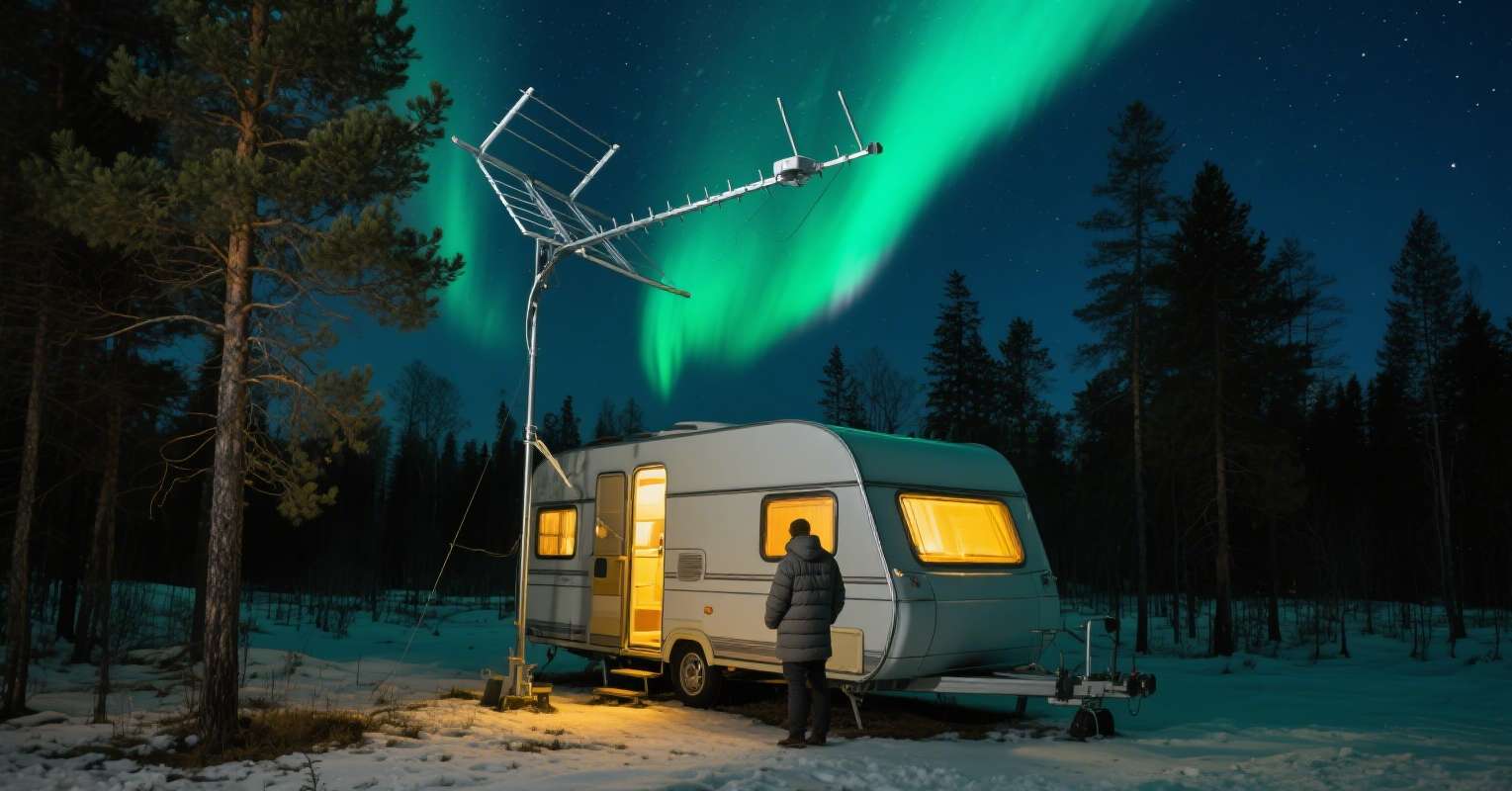
Range: Look for antennas with a 60-150 mile range. Long-range models are ideal for reaching distant broadcast towers.
-
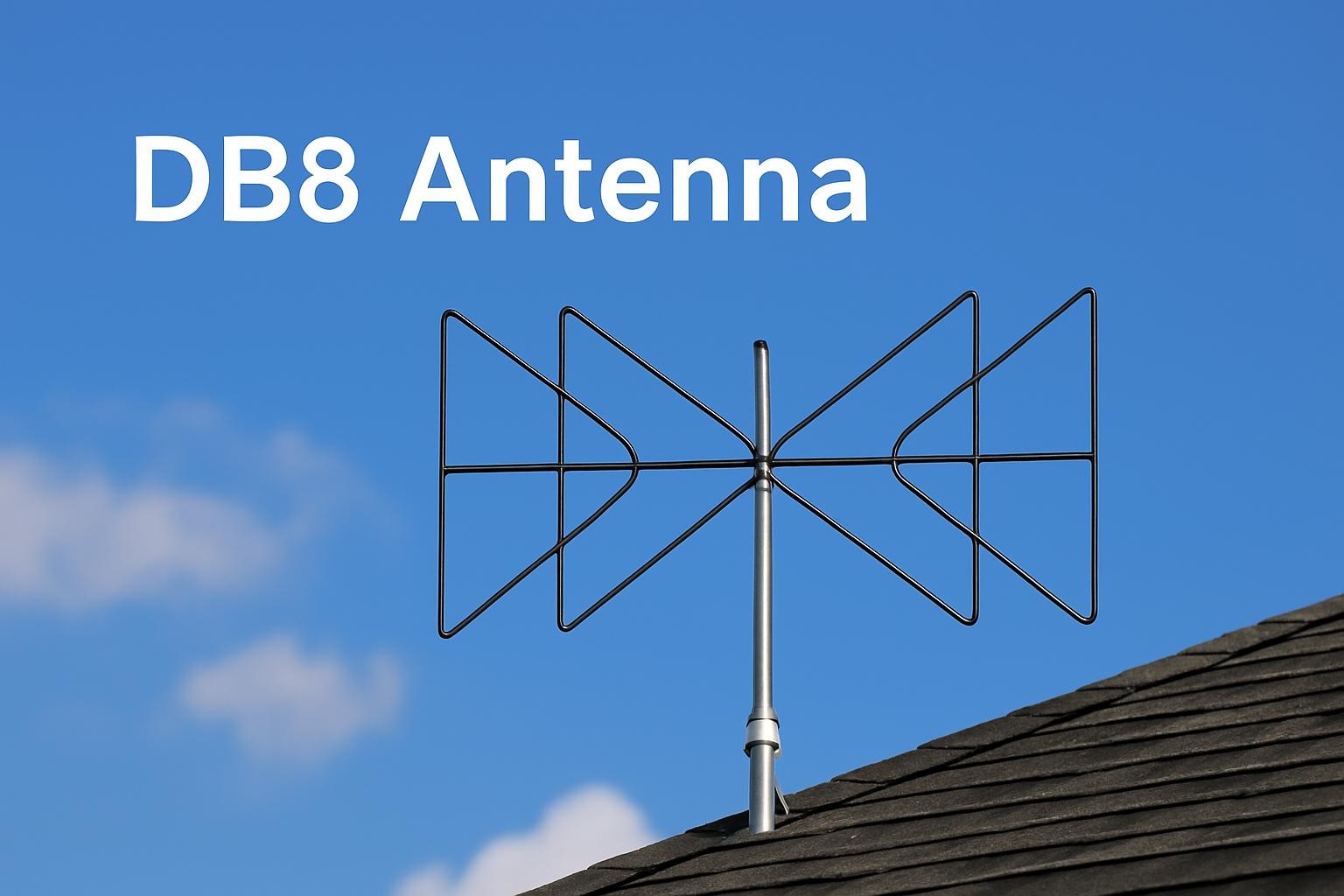
Directionality: Directional antennas focus on a specific direction, while multi-directional types can capture signals from various angles.
-
Height & Mounting: Higher placement equals stronger reception—consider installing the antenna on a rooftop or inside your attic.

Essential Tools and Setup: Cable, Placement & Power
Installing a rural TV antenna requires more than just the device itself. Here’s what you’ll need for a strong and stable setup:
Tools & Accessories:
-
Cable for TV antenna: Coaxial cables (RG6 recommended) connect the antenna to your television or receiver. Ensure the cable length is appropriate for your layout.
-
Signal amplifier: A powered amplifier can boost weak signals, especially if the antenna is far from the TV.
-
Grounding kit: Safety first—ground your outdoor antennas to protect against lightning strikes.

Real-World Use Case: Attic Installation in a Remote Cabin
One rural homeowner in Idaho shared how they turned their attic into a TV powerhouse.
“Living 80 miles from the nearest station, I didn’t expect much. But I installed a directional TV antenna inside attic with a preamplifier and high-quality cable. Now I receive over 20 HD channels clearly—no monthly fees!”
Why It Worked:
-
The attic offered elevation and protection from the elements.
-
The long-range directional antenna aimed directly at a known broadcast tower.
-
Amplification countered the signal loss caused by the long coaxial cable.
Expert Solutions from SHEN ZHEN QIYUNTONG ELECTRONIC TECHNOLOGY CO., LTD.
As a trusted global supplier of television antennas and hardware, SHEN ZHEN QIYUNTONG ELECTRONIC TECHNOLOGY CO., LTD. offers a full suite of solutions tailored to rural needs:
-
Over 20 years of manufacturing experience
-
OEM & ODM customization for residential and RV antenna systems
-
High-performance components built for weather resistance
-
Strong export networks across Europe, Japan, Southeast Asia, and North America
Whether you're setting up a home system or need bulk solutions for resale, QIYUNTONG delivers durability and performance in every product.

Conclusion: Yes, TV Antennas Do Work in Rural Areas
TV antennas remain a powerful and cost-effective solution for rural television access. With the right gear—including long-range antennas, proper cabling, and strategic placement—you can enjoy crystal-clear broadcasts without relying on satellite or cable.
Don’t let your remote location limit your entertainment options. Make the switch, and experience the freedom of OTA viewing.
FAQ: Common Questions About Rural TV Antennas
Q1: Can I use a TV antenna inside my attic in rural areas?
A: Yes, if your attic is elevated and not heavily obstructed by metal or concrete. Add a signal amplifier for best results.
Q2: What is the best cable for TV antennas in rural areas?
A: Use RG6 coaxial cable for minimal signal loss over long distances.
Q3: Is a long-range antenna necessary?
A: Absolutely. Rural users often need antennas rated for 100+ miles to catch distant tower signals.
Q4: Will weather affect my antenna’s performance?
A: Outdoor antennas are designed for all-weather use, but attic installations may offer added protection in harsh climates.
Do You Really Need a TV Antenna Amplifier? Here’s What You Should Know
What Is the Difference Between a TV Antenna and a Wi-Fi Antenna?
Related Article