Do You Really Need a TV Antenna Amplifier? Here’s What You Should Know
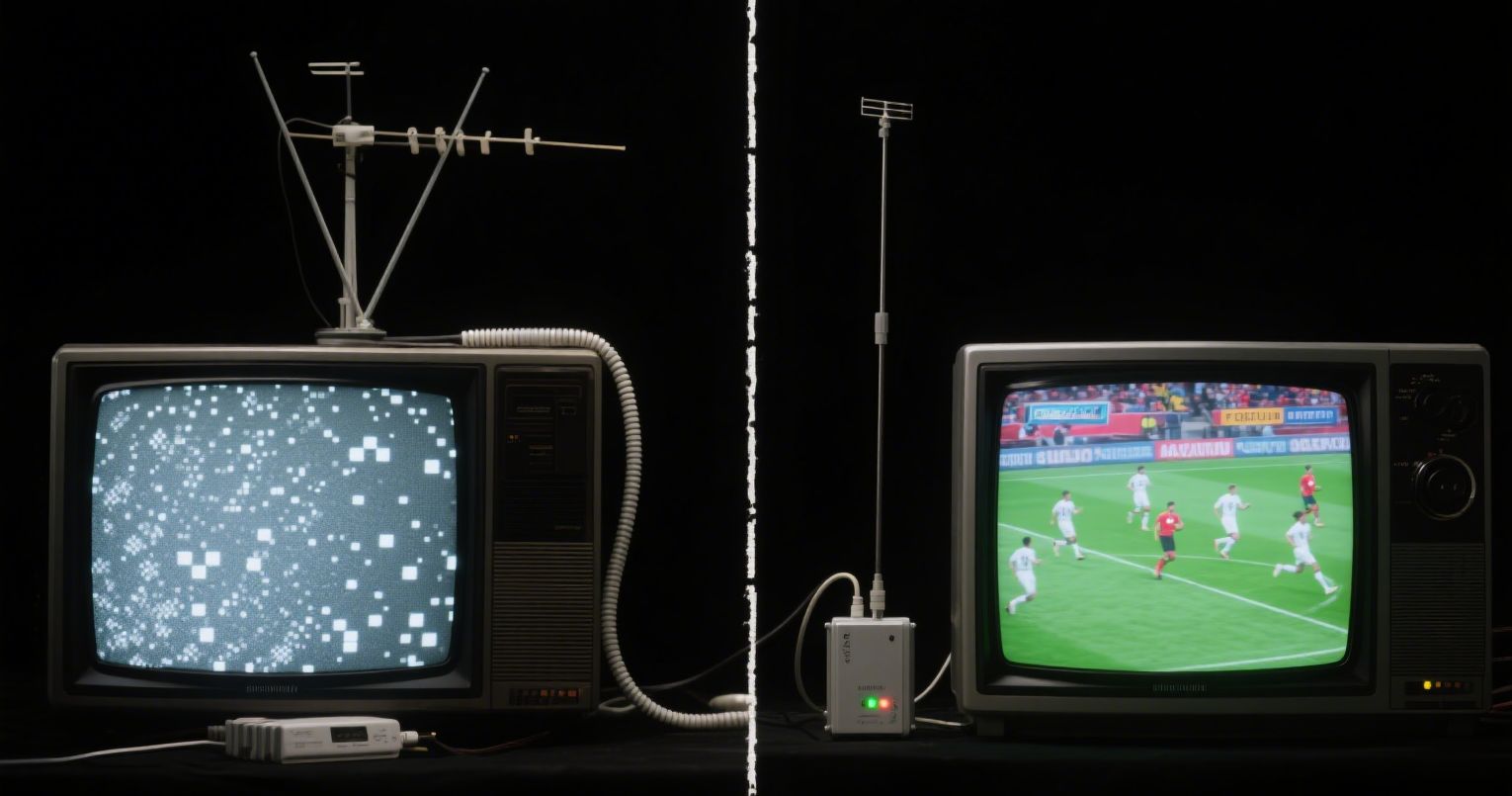
Do You Really Need a TV Antenna Amplifier? Here’s What You Should Know
Introduction: Understanding the Role of a TV Antenna Amplifier
When it comes to free over-the-air TV reception, many users find themselves frustrated by weak signals, missing channels, or pixelated screens—especially in areas far from broadcast towers. One common solution that often comes up is the TV antenna amplifier. But is it necessary for everyone?
TV antenna amplifiers, also known as signal boosters or preamplifiers, are designed to enhance the strength of signals received by your antenna before they travel down the coaxial cable to your television. While this sounds appealing, an amplifier is not a one-size-fits-all solution.
In this article, we’ll explain how these devices work, who needs them, and how to make sure you’re choosing the right equipment based on your specific location and antenna type. We’ll also introduce an experienced global manufacturer—SHEN ZHEN QIYUNTONG ELECTRONIC TECHNOLOGY CO., LTD.—that offers professional signal reception solutions for a wide range of applications.

How TV Antenna Amplifiers Work and When They Help
A TV antenna amplifier functions by taking a weak signal captured by your antenna and boosting it to a higher level before it reaches your TV. This process compensates for signal degradation caused by long coaxial cables, multiple TV splits, or physical obstacles like walls and roofs.
Here are some common scenarios where a TV antenna amplifier can significantly improve performance:
-
Long cable runs: If your antenna is located far from your TV, signal loss over the cable can be substantial.
-
Multiple televisions: Using a splitter to send the signal to several TVs can result in quality loss.
-
Indoor or attic installations: Structures between your antenna and the outside signal may cause signal attenuation.
-
Distant locations: If you live far from TV broadcast towers, amplifiers help compensate for naturally weak incoming signals.
However, an amplifier is not a fix-all. If you’re already receiving strong signals, an amplifier might actually worsen the reception by overloading your tuner. In such cases, a filter or repositioning the antenna might be a better solution.

Do You Really Need One? A Practical Checklist
Not sure whether a TV antenna amplifier is right for you? Here’s a quick checklist to help you decide:
-
Are you missing local channels?
Try scanning channels and see if important ones are absent or glitchy. -
Are you using a long cable (over 50 feet)?
Longer cables increase signal resistance—an amplifier can help recover lost strength. -
Is your antenna installed in the attic or indoors?
Then your signal may be blocked or weakened by insulation, walls, or roofing material. -
Do you live in a rural or mountainous region?
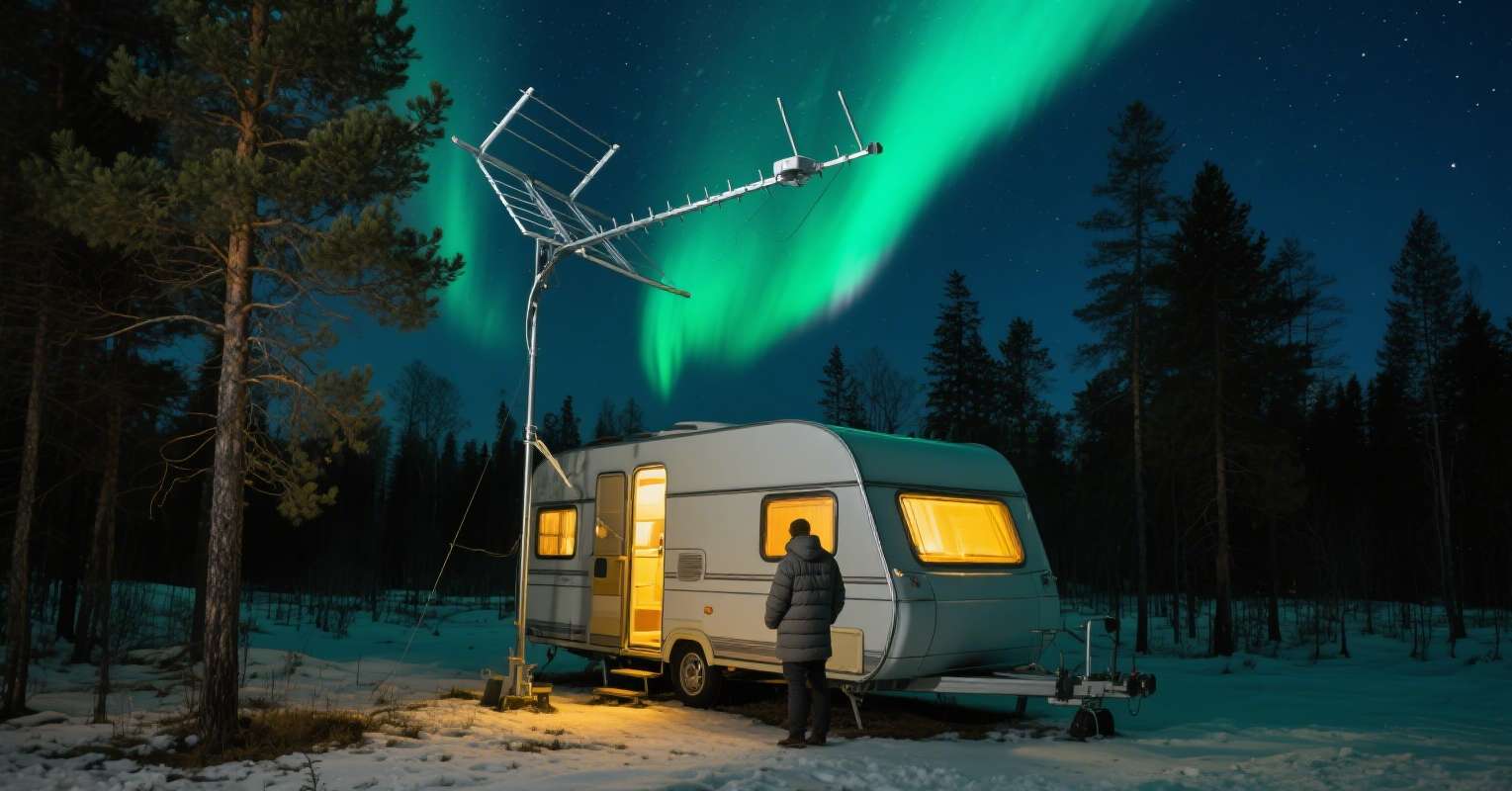
You’re likely too far from transmission towers, so you may need a TV antenna long range model with an amplifier.
If you answered "yes" to two or more of the above, an amplifier may significantly improve your viewing experience.
Still unsure? You can use online tools like TV Fool or AntennaWeb to analyze your local signal landscape. And always ensure your coaxial cables are high quality and properly shielded—a weak cable can negate any amplifier benefits.
Expert Solutions from SHEN ZHEN QIYUNTONG ELECTRONIC TECHNOLOGY CO., LTD.
With over 20 years of industry experience, SHEN ZHEN QIYUNTONG ELECTRONIC TECHNOLOGY CO., LTD. is a professional manufacturer specializing in high-performance TV antennas and signal amplification systems. Headquartered in the Guangdong-Hong Kong-Macao Greater Bay Area, we are strategically located near Shenzhen, Dongguan, and Huizhou—giving us access to global supply chain networks.
Our key offerings include:
-
Customizable OEM/ODM antenna amplifiers tailored to client-specific applications
-
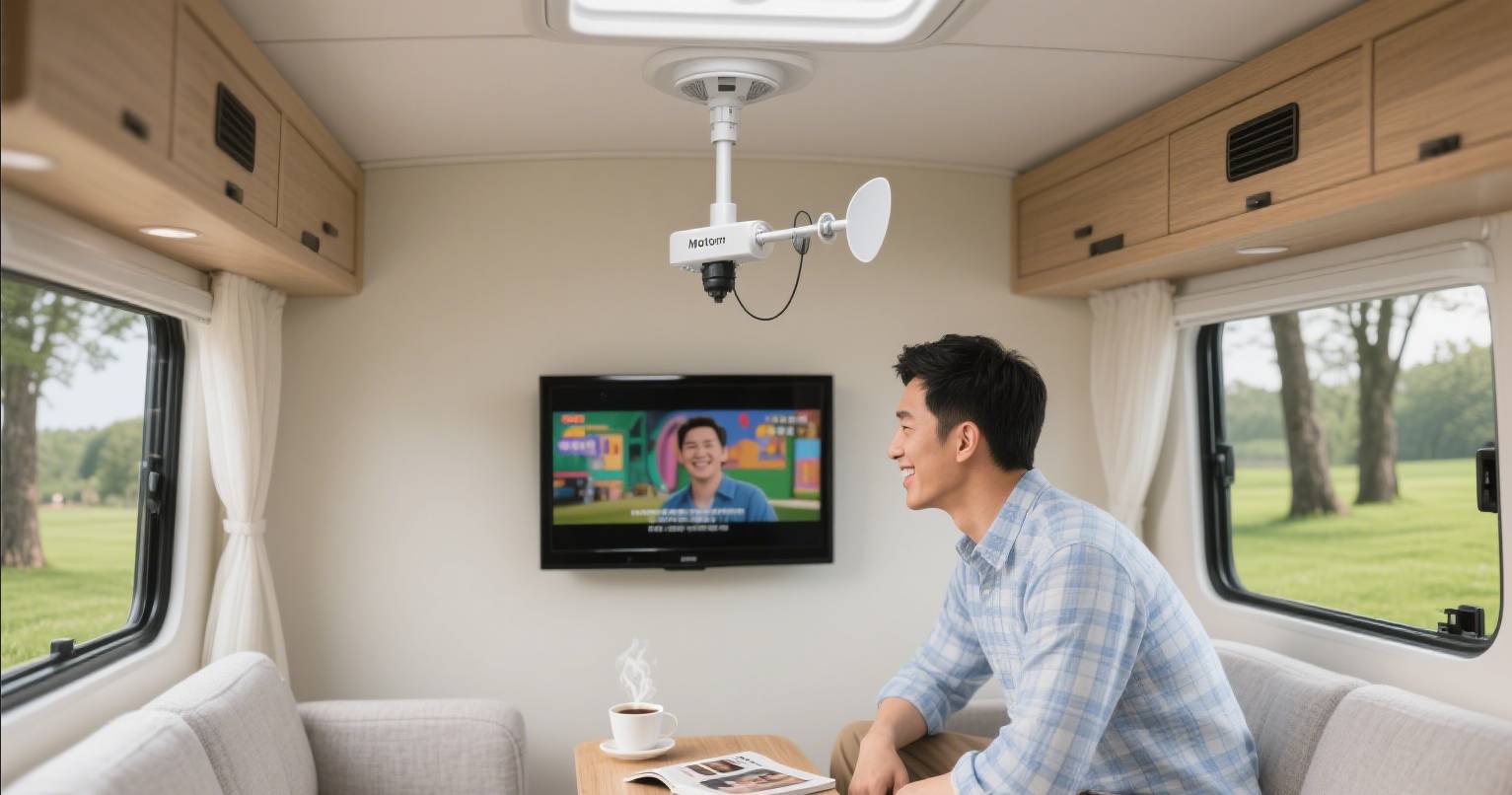
Solutions for indoor, outdoor, RV, and attic antenna systems
-
Robust quality control ensuring signal stability, waterproof design, and interference resistance
-
Export to major markets including Europe, North America, Japan, and Southeast Asia
Whether you are looking for the best TV antenna for rural area users, or need a specialized solution for RVs, attics, or complex commercial applications, QIYUNTONG provides reliable performance at scale.
To learn more or request a product catalog, please feel free to contact our international sales team.

Conclusion – Is It Worth It?
So, do you really need a TV antenna amplifier?
The answer depends entirely on your individual setup and reception environment. If you live in an urban area with close access to transmission towers and short cable runs, you probably don’t need one. But for users in suburban or rural areas, or in homes with complex wiring or multi-TV configurations, an amplifier can make a world of difference.
The ideal solution is to combine a high-quality long-range antenna with a trusted amplifier—preferably from an experienced manufacturer like SHEN ZHEN QIYUNTONG—to ensure lasting performance and crystal-clear signal reception.
Before you invest, assess your signal strength, cable layout, and antenna location. Amplifiers are valuable tools—but only when used where they’re truly needed.
FAQ Section
Q1: Can a signal booster fix all TV reception issues?
A: No. If your antenna cannot receive a signal at all, an amplifier won’t help. It only enhances existing weak signals.
Q2: Where should I install the amplifier?
A: As close to the antenna as possible—ideally before the splitter or any long cable runs.
Q3: Will an amplifier work with a TV antenna in the attic?
A: Yes. In fact, attic installations often benefit greatly from amplification due to structural interference.
Q4: Does a TV amplifier help in rural areas?
A: Absolutely. In combination with a long-range antenna, it can significantly improve reception in rural or remote locations.
Q5: What type of cable should I use with a TV antenna amplifier?
A: Use high-quality, RG6 coaxial cable to minimize signal loss.
What Channels Can I Get with a HDMI TV Antenna- Complete Guide for Free HD Entertainment
Do TV Antennas Work in Rural Areas?
Related Article