How Can I Watch TV in Rural Areas
How Can I Watch TV in Rural Areas?
Rural living often means broadcast towers are far away and terrain obstacles abound. In many countryside locations, transmitters can be 40–80 miles from your home, so TV signals must travel long distances. Indoor antennas struggle under these conditions, usually only pulling in stations within ~25 miles. By contrast, high-quality outdoor antennas mounted on rooftops or poles can capture signals from 70–80 miles or more. These antennas are built tough (weatherproof, UV-protected) and positioned high to avoid trees or buildings. In rural settings, pairing an outdoor antenna with a TV tuner (or streaming service) offers a cost-free way to enjoy local news, sports and network shows. In the following sections, we’ll explore three main solutions – the best rural TV antenna for home use, specialized antenna TV for RV systems, and long range outdoor TV antenna options for extreme distances – explaining how each tackles rural reception challenges.

Tools Overview
Best Rural TV Antenna (Residential Use)
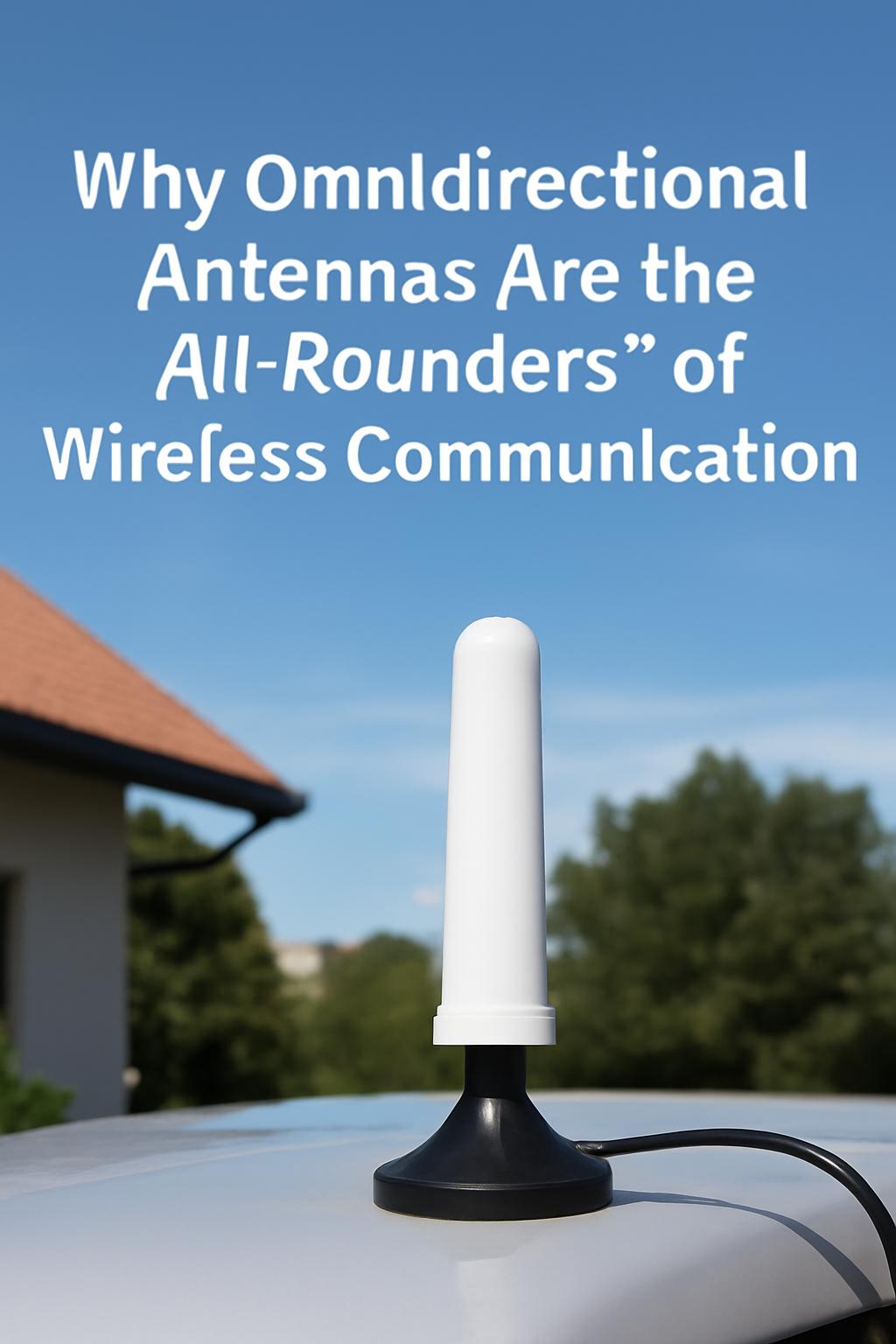
For a fixed home in the countryside, a high-gain outdoor antenna is usually the top choice. By mounting an antenna high on the roof or a tall mast, you get a clear line-of-sight to distant towers. Outdoor antennas come in two main styles: directional (pointed at one tower) and omnidirectional (receives from all around). Directional antennas focus their reception like a flashlight beam, which makes them capable of pulling in signals over 70+ miles when aimed at the transmitter. Omnidirectional antennas catch signals from any direction but typically only reliably reach 30–40 miles.
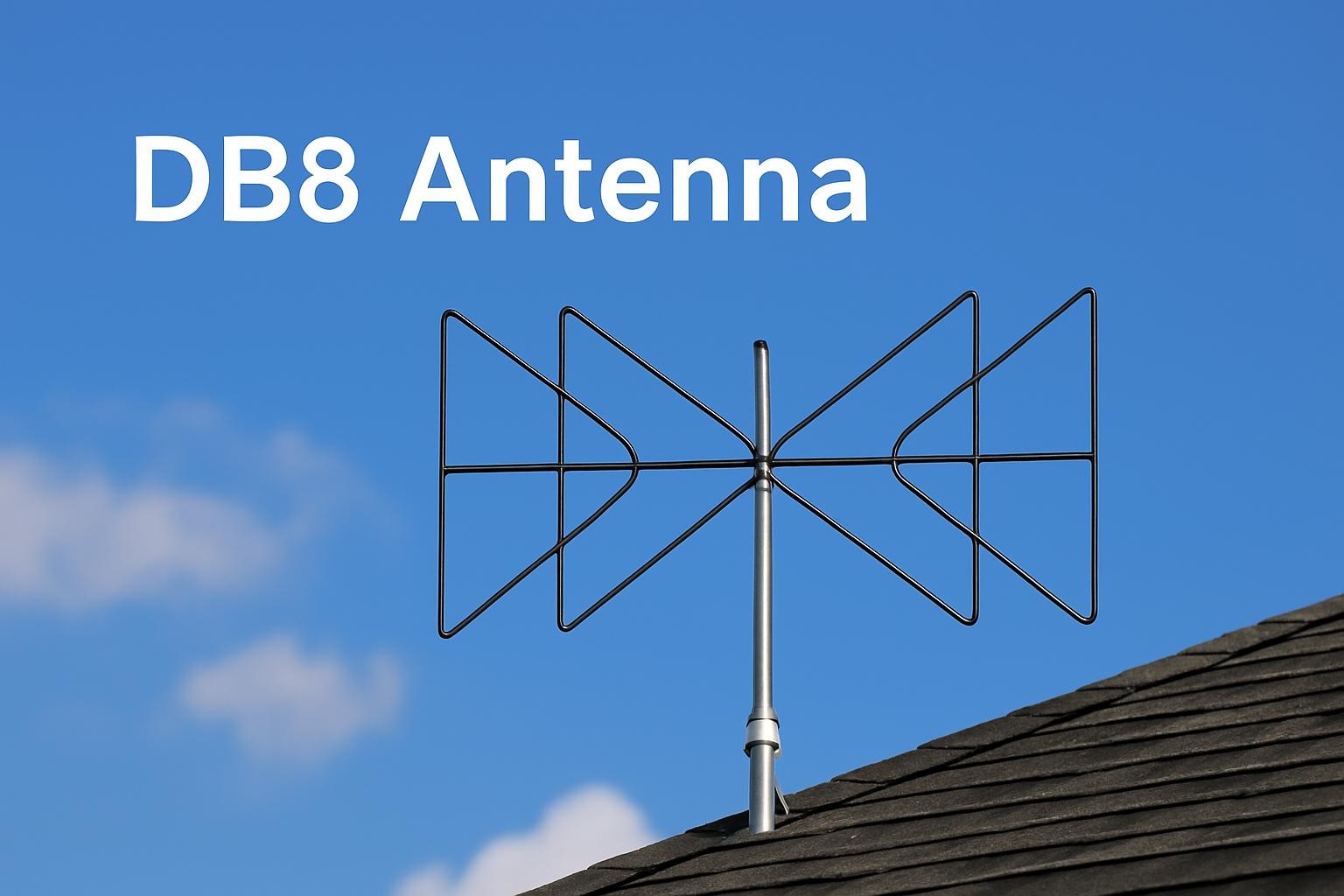
When choosing, consider the terrain and tower layout. If most stations are clustered in one direction, a directional Yagi-Uda or bowtie antenna will give the farthest reach. If towers are in different directions (or if you prefer not to re-aim), a multi-directional model can work better. For example, one reviewer in a remote area found a multi-directional 80-mile antenna (Channel Master EXTREMEtenna) ideal for receiving signals from several cities.
Most long-range antennas include low-noise amplifiers to boost weak signals. An amplifier can effectively add 15–20 miles to your reception range. In practice, you’d use an amp if you’re >50 miles from the tower, if trees/hills partially block the signal, or if you split the antenna to multiple TVs.
Key features of a quality rural antenna include wide UHF/VHF support, a sturdy metal frame, and any built-in LTE/4G filters to block cell phone interference. Even budget outdoor models now claim ranges up to ~150 miles (for example, a $40 “Vansky” outdoor HDTV antenna rated 150 miles). At the high end, motorized multi-element antennas (like a FiveStar HDTV antenna) boast a 200-mile range with 360° rotation and remote control. (Note: such extreme ratings are marketing; see Long Range below.) In summary, the best rural home antennas are roof- or pole-mounted, high-gain designs with the correct orientation and, if needed, a low-noise booster to maximize your signal.
Antenna TV for RV (Mobile and Travel Use)
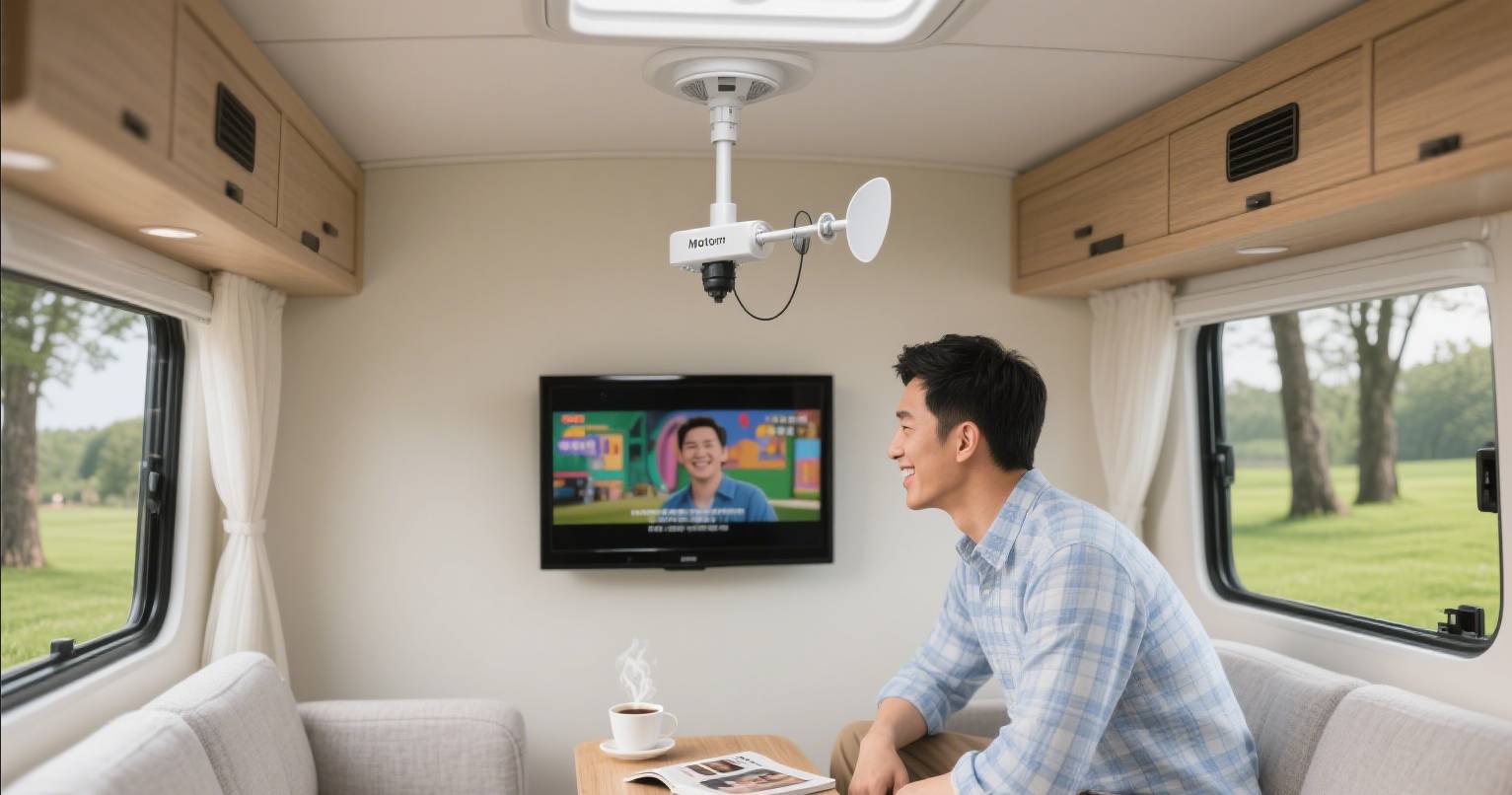
RVs and camper vans need flexible antenna solutions. Unlike a fixed home, an RV antenna must work as you move or camp in different spots. Most RVers choose roof-mounted omnidirectional antennas or low-profile domes (e.g. Winegard Rayzar or Sensar models) that can grab signals from any direction without manual reorientation. These often include built-in amplifiers so that even weaker UHF/VHF transmissions in rural settings can be boosted. Simply raise the antenna (or keep it fixed on the roof) and do a TV channel scan after parking to pick up local broadcasts.
In weak-signal areas, some travelers opt for directional antennas (sometimes with a motorized rotor) that they point toward the nearest tower. Directional RV antennas work like their home counterparts: they require alignment but can deliver a stronger, more stable signal when properly aimed. If you frequently camp in one region, a manual or automatic rotator can help you tune the antenna for peak reception. However, for most on-the-road use, omnidirectional antennas are favored since they require no fine-tuning when you change campsites.
Experts note that the top RV TV antenna models include the KING Directional OTA antenna and Winegard Rayzar Z1, among others. There are also portable flat-pack antennas (like Dish Playmaker units) that can be set up at each stop, but these demand line-of-sight to the tower and more setup time. Key requirements for RV antennas include dual-band UHF/VHF support (see below on why both matter), robust construction for highway travel, and optional 4G/LTE filters. In short, an RV antenna system should cover the frequencies used at your destination – for example, Australian outback broadcasts often use UHF, so your antenna must handle both UHF and VHF and ideally include an amplifier.
Long Range Outdoor TV Antenna (Extreme Distances)
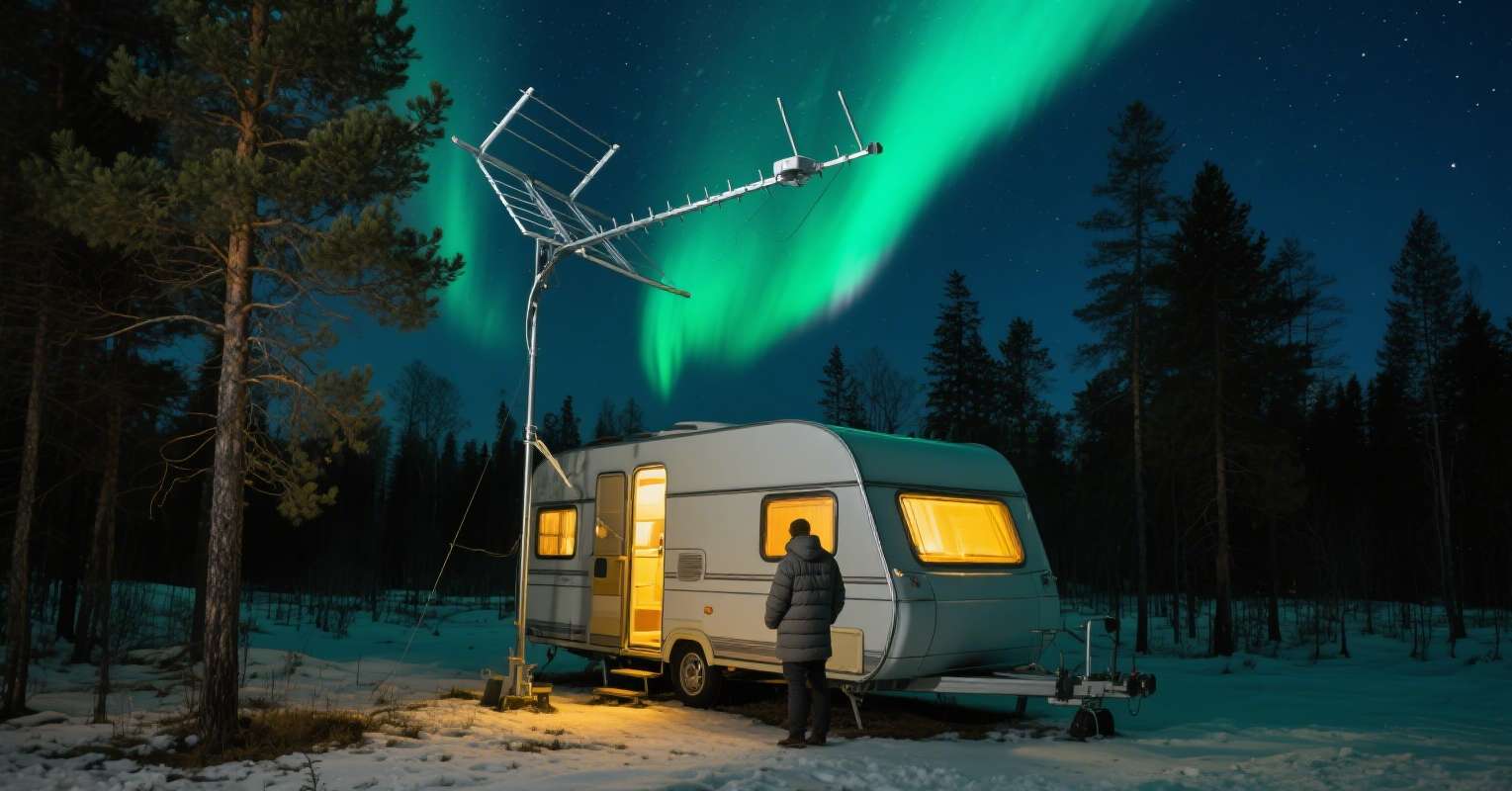
For the most challenging locations (e.g. very far from any transmitter), ultra-long-range antennas are available. These are usually large multi-element Yagi arrays or combinations of Yagis (e.g. multi-bay bowtie designs) mounted outdoors. They often come with motorized rotors, allowing the antenna to sweep 360° to find the strongest signal. Many long-range models also include features like internal LTE filters and remote controls to fine-tune reception.
However, it’s important to manage expectations: no antenna can conjure signals out of thin air. According to experts, most over-the-air antennas realistically max out around 70–80 miles under perfect conditions. Claims of “150–200 mile” range antennas are generally marketing; real-world distance is often limited by terrain and weather. Thus, focus on selecting an antenna rated for the actual distance to your local towers. If you truly need extreme reach, look for high-gain designs: for example, a research project in South Africa created a 9-element Yagi antenna specifically to improve DTT reception in rural villages. That custom antenna provided about 12 dBd of gain, demonstrating the kind of high-gain booster needed for faint signals at long range.
In practice, to maximize reach you should aim a directional long-range antenna at the transmitter and ensure it is mounted as high as possible. Motorized or rotatable antennas help fine-tune direction without manual climbing. Always add a low-noise amplifier at the antenna if splitting signals or if below ~50 dB signal (see FCC TVFool guidelines). Remember that even with the best gear, factors like hills, dense forest, or heavy weather will reduce signal range.
Real-World Use Cases
-
Rural Canada Home: A family living 60+ miles from the nearest city antenna initially saw no channels with a basic indoor aerial. After installing a small outdoor amp-assisted antenna, they pulled in about 15–20 digital channels reliably. One user reported that a $40 outdoor HDTV antenna (rated for 150 miles) worked “on most days” for their location. Canadians have noted that beyond roughly 75 miles, reception becomes very difficult, so leveraging a high-gain roof antenna and possibly a mast-mounted preamp is key. Multi-directional models like the Channel Master Extreme-tenna (80-mi) helped them catch stations from multiple cities.
-

-
Australia Outback RV Trip: A couple touring the Australian bush kept their caravan’s rooftop TV antenna up. They chose an omnidirectional, amplified antenna supporting both VHF and UHF (since rural Australia often broadcasts on UHF). After parking each night, they simply ran a channel scan on their TV. Because their antenna automatically received all directions, they could watch local news or sports whenever the signal was strong enough. In very weak areas, they noted that having the built-in amplifier on was essential. This setup let them enjoy live TV off-grid without needing satellite or paid service.
-

-
South Africa Farmhouse: In remote parts of South Africa, villagers rely on digital terrestrial TV for entertainment. Researchers even developed a specialized 9-element Yagi antenna for this purpose. One such antenna provided about 12 dBd of gain to pull in DTT signals in an area with no analog towers and few nearby digital transmitters. This example shows that a well-designed long-range antenna (installed on a high pole) can bring TV to homes that would otherwise have “poor reception”. In practice, a South African farmer might mount a custom high-gain Yagi on his barn to access distant channels that his old indoor antenna could not reach.

Conclusion
Watching TV in the country boils down to picking the right antenna for your situation. Key takeaways: determine how far you are from broadcast towers (70–80 miles is already challenging); choose an outdoor antenna with enough gain and the correct directionality; mount it as high and unobstructed as possible; and add an amplifier if you split signals or if you’re at the fringe of coverage. For RV travelers, favor flexible omnidirectional or rooftop setups that cover UHF/VHF (often with a built-in booster). In all cases, aim the antenna toward the nearest major transmitter and then rescan your TV. By matching your antenna type to the terrain – be it a sturdy residential Yagi, a mobile RV aerial, or a specially-built long-range array – you can reliably receive free over-the-air TV even in remote locations. Assess your distance, obstructions, and viewing needs carefully, and you’ll avoid the frustration of “no signal” and start enjoying local channels at home or on the road.
FAQ
-
Can I use an indoor antenna in a rural area? Typically no. Indoor antennas usually work only if you’re very close to towers. In rural areas, indoor antennas rarely pick up stations beyond ~20–30 miles. The consensus is that an outdoor antenna is needed when you’re far from the city. Outdoor antennas mounted high can reach broadcasts 70–80 miles away, whereas indoors you’ll likely see nothing at those distances.
-
Directional or Omnidirectional – which is better? It depends. A directional antenna (Yagi or bowtie) focuses on one direction and gives the strongest signal from a chosen tower. This is best if you have one dominant transmitter. An omnidirectional antenna receives from all sides at once, which is convenient if signals come from different angles (or if you can’t reposition the antenna every time). RVs often use omni antennas because they make camping easy. However, omni units usually cover only 30–40 miles effectively, so beyond that a directional model is preferable.
-
Do I need a signal amplifier (preamp)? Often yes, in very remote areas. An amplifier boosts the antenna’s received signal to overcome losses in the cable and splitting. Outdoor antennas with built-in low-noise amplifiers can add roughly 15–20 miles to your effective range. You’ll want an amplifier if you’re over ~50 miles from the tower, if foliage/terrain blocks the signal, or if you split the antenna to more than one TV. If you install an amplifier, make sure it’s a low-noise type so it amplifies the TV signal cleanly.
-
Can I use one antenna for multiple TVs? Yes, but be careful. Splitting the antenna output into two or more TVs reduces the signal each set receives. If you must split, place the splitter near the antenna and use a powered splitter or add a distribution amplifier. Many experts recommend putting a low-noise amp at the antenna before splitting. In one rural antenna guide, the author advised installing a Winegard LNA-200 preamplifier on the mast to keep the signal strong when distributing to multiple TVs.
-
Will my old antenna work with digital TV? Generally yes. Digital broadcasts still use the same UHF/VHF frequencies, so an existing antenna (even an older analog one) can receive them. As RVshare notes, “an old RV antenna will work with digital TV”. You may simply need to re-scan channels and possibly adjust or upgrade components (like adding an amplifier) to get all digital channels.
Sources: Insights are drawn from expert how-to guides and reviews. These provide real-world ranges, product examples, and user experiences for rural and mobile TV reception.
At SHEN ZHEN QIYUNTONG ELECTRONIC TECHNOLOGY CO., LTD., we specialize in providing cutting-edge electronic solutions for both residential and commercial markets. With years of experience in the field of technology and innovation, we offer a range of products designed to improve connectivity and enhance the user experience. Whether you're looking to optimize your television reception in rural areas or set up an RV-friendly antenna system, our products, including high-performance outdoor TV antennas, are crafted with precision to ensure reliable and superior performance. We are committed to delivering quality products backed by exceptional customer service, ensuring that our clients receive tailored solutions for their unique needs.


What is the Farthest Reaching TV Antenna
How Far Can an Outdoor TV Antenna Reach-Complete Guide for 2025
Related Article