Amplifier Myths Busted-What They Can and Can not Do for Your Digital Antenna
Introduction: Why You Should Rethink What You Know About Antenna Amplifiers
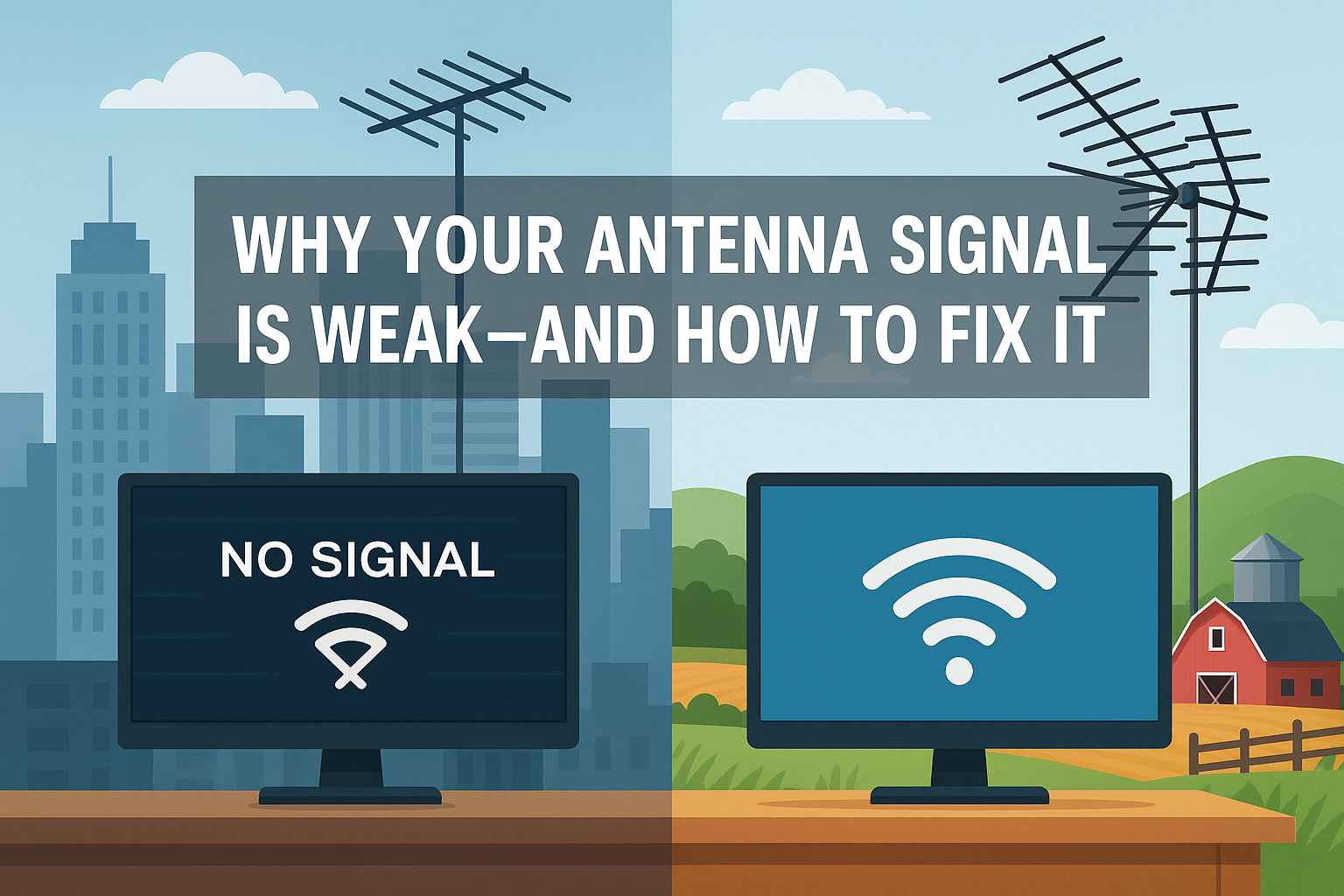
In the world of cord-cutting, digital antennas have become a popular choice for accessing high-definition TV channels without a monthly fee. However, many users—especially those in rural or suburban areas—struggle with weak signals or missing channels. The common solution proposed? An amplifier for digital antenna.
But is an amplifier always the answer? And more importantly, what can it really do—and not do? In this article, we debunk the common myths about antenna amplifiers, explain when they’re useful, and help you avoid unnecessary spending. If you’re wondering why your signal is weak or if a booster will magically solve your TV reception issues, read on. Let’s separate facts from fiction.
Why Is My Digital Antenna Signal So Weak?
Weak digital antenna signals are frustrating, but they often stem from environmental or installation issues—not from your antenna itself. Before rushing to buy an amplifier for digital antenna, it’s essential to understand what could be causing the problem.
Common causes of weak signal:
-
Geography: Hills, trees, and tall buildings block or reflect signals, especially in valleys or dense urban areas.
-
Improper mounting height: Installing your antenna too low or indoors (like in a basement or attic) reduces its effectiveness.
-
Long cable runs: Signal naturally degrades as it travels through coaxial cables, especially over 50 feet.
-
Splitter usage: Sharing one antenna signal across multiple TVs weakens the strength received by each unit.
Use resources like the FCC DTV Reception Map or AntennaWeb.org to locate towers and understand your reception area. A poor setup can cause you to lose channels even if you're well within range of a broadcast tower.
In many cases, improving antenna placement or switching to a higher-gain model solves the problem more effectively than adding an amplifier.
What an Amplifier for Digital Antenna Can (and Can’t) Do
Amplifiers are often promoted as a one-size-fits-all solution for signal problems. But this is a dangerous myth. While they do have a role in your setup, it’s important to know their capabilities and limitations.
What it can do:
-
Compensate for cable loss: If your coaxial cable run is long or split between multiple devices, an amplifier helps maintain signal strength.
-
Support edge reception areas: In marginal signal zones (like 60–80 miles from a tower), amplifiers can boost the signal just enough to lock in channels.
-
Improve indoor setups: Paired with a well-placed antenna, amplification can help overcome minor signal obstacles.
What it can’t do:
-
Create signal from nothing: Amplifiers cannot “reach farther” than your antenna is capable of. If the signal doesn’t exist, there’s nothing to amplify.
-
Fix interference or reflection: Issues caused by obstacles like walls, trees, or electronic devices won’t be solved with amplification.
-
Guarantee more channels: Amplification doesn’t always equal more channels—in fact, it can introduce noise if overused.
A quality amplifier for digital antenna is a tool—not a miracle. It works best when paired with a well-positioned antenna and reasonable expectations.
rusted Antenna Solutions from SHEN ZHEN QIYUNTONG ELECTRONIC TECHNOLOGY CO., LTD.
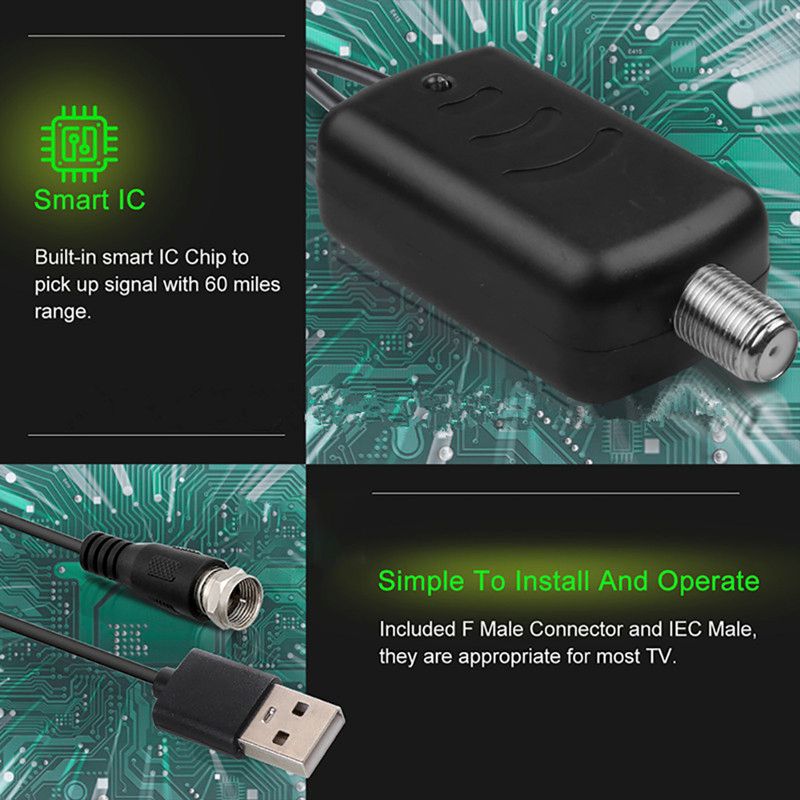
For users looking for high-performance solutions backed by engineering excellence, SHEN ZHEN QIYUNTONG ELECTRONIC TECHNOLOGY CO., LTD. stands out as a global leader in antenna manufacturing. With over 20 years of industry expertise, we deliver professional-grade TV antennas and amplifier-integrated systems tailored to both residential and commercial applications.
Our key offerings include:
-
High-gain outdoor digital antennas with built-in amplification, ideal for rural and suburban reception environments.
-
Weatherproof designs that feature corrosion-resistant materials and IP-rated casings for long-lasting outdoor use.
-
HD/UHF/VHF compatibility, ensuring reliable access to a full spectrum of free-to-air channels.
-
Plug-and-play installation with pre-mounted amplifier units and included coaxial cables, minimizing setup time.
All our products are subject to strict quality control and meet international export standards, serving clients across the US, Europe, Southeast Asia, and beyond.
Whether you’re an end-user looking for a DIY solution or a wholesaler sourcing robust antenna equipment, SHEN ZHEN QIYUNTONG is your trusted partner in achieving consistent TV reception, even in difficult terrain.
Contact us today to learn more about OEM/ODM services and volume pricing.
How to Know If You Really Need an Amplifier
Even with all this information, you may still wonder whether an amplifier is worth it for your setup. Here are a few ways to assess your actual need:
Ask yourself:
-
How far am I from the nearest broadcast tower?
If it's over 50–60 miles and your antenna is outdoors, you may benefit from light amplification. -
Are you splitting your signal to multiple TVs?
A distribution amplifier can help preserve signal strength across all devices. -
Is your cable run longer than 50 feet?
Longer cables introduce signal degradation—an amplifier is a smart choice in this case. -
Have you already optimized your antenna placement?
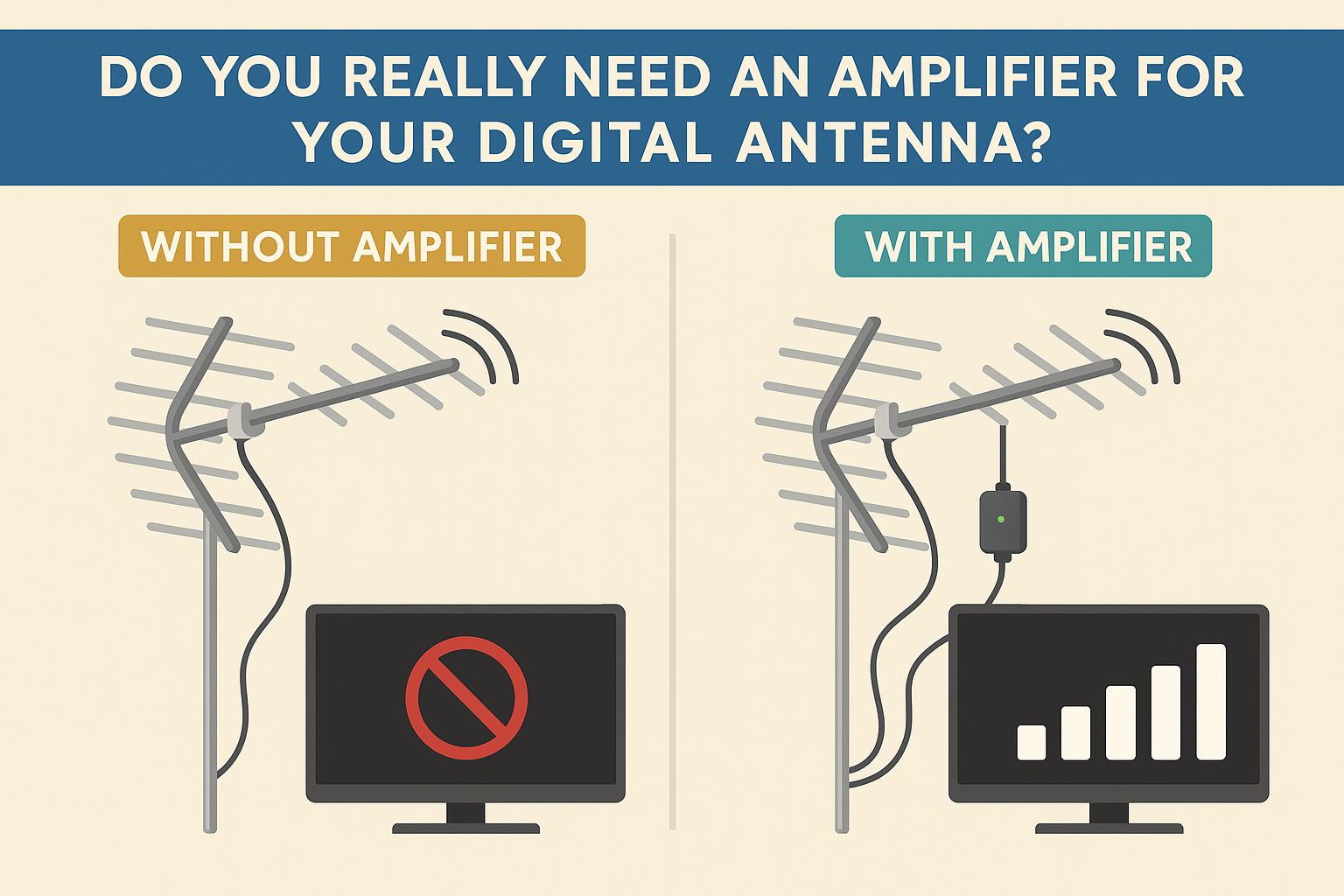
Try scanning for channels without an amplifier first. If the signal is present but weak, an amplifier might help. If no signal is found at all, an amplifier won’t solve the problem.
Using tools like signal meters or digital tuners with signal strength indicators can help you make a data-driven decision.
Conclusion
An amplifier for digital antenna can be a powerful addition to your setup—but only when used correctly. It’s not a magic fix, nor is it always necessary. By understanding what amplifiers truly do, avoiding common myths, and choosing trusted equipment like those from SHEN ZHEN QIYUNTONG ELECTRONIC TECHNOLOGY CO., LTD., you’ll ensure optimal performance for your digital TV experience.
Need help choosing the right amplifier-integrated antenna? Visit our website or contact us for customized solutions tailored to your location, signal conditions, and installation preferences.
Stay Connected-Why Every RV Needs a Digital TV Antenna
Do RV TV Antennas Really Work for Digital TV-What You Need to Know
Related Article