7 Ways to Boost TV Signal with the Longest Range Digital TV Anten

Introduction: Cut the Cord Without Compromise
For many rural residents, cutting the cord means losing access to live local TV—until they discover the power of a longest range digital TV antenna. Modern antennas can pull in free over‑the‑air channels from dozens of miles away, but even the best hardware needs proper setup to succeed. If you’re asking, “How do I fix my TV antenna problem?” or “Why is my digital aerial not working?” you’re in the right place.
In this guide, we’ll explain why your digital antenna struggles in remote areas, share seven practical fixes to boost reception, introduce SHEN ZHEN QIYUNTONG’s industry‑leading antenna solutions, and offer maintenance tips to keep your system running at peak performance. At the end, a concise FAQ will answer common questions about maximizing signal strength, so you can enjoy crisp, free HDTV—even miles from the nearest broadcast tower.

Why Your Antenna Still Struggles in Rural Areas
Even a premium longest range digital TV antenna can underperform if you don’t account for local factors. Here’s what typically holds reception back:
1.Distance to Broadcast Towers
While some antennas advertise ranges beyond 100 miles, real‑world performance depends on line‑of‑sight and terrain. Signals weaken rapidly over distance, so your antenna may need amplification or a directional design to “reach” distant towers.
2.Terrain and Obstructions
Hills, dense forests, and even large farm buildings can block or reflect UHF/VHF signals. Small obstacles like tall silos or wind turbines can create dead zones behind them, leaving you with spotty reception.
3.Antenna Type and Height
Indoor or attic antennas rarely work well in rural settings. A rooftop‑mounted, high‑gain directional antenna is usually required to capture those faint signals. The higher the placement, the fewer obstructions between you and the tower.
4.Interference Sources
Nearby power lines, Wi‑Fi routers, and even solar panels can introduce noise. Metal roofing or foil‑backed insulation can attenuate the signal before it reaches your antenna.
5.Cabling and Connectors
Old RG59 coaxial cable, corroded connectors, or loose fittings can degrade signal by several decibels—enough to turn a watchable channel into static.
Understanding these challenges is the first step in learning how to fix digital antenna signal issues. In the next chapter, we’ll dive into seven actionable methods to overcome them.
Seven Practical Fixes to Boost Your Signal
Here are seven proven strategies to improve your longest range digital TV antenna reception:
1.Raise and Reposition Your Antenna
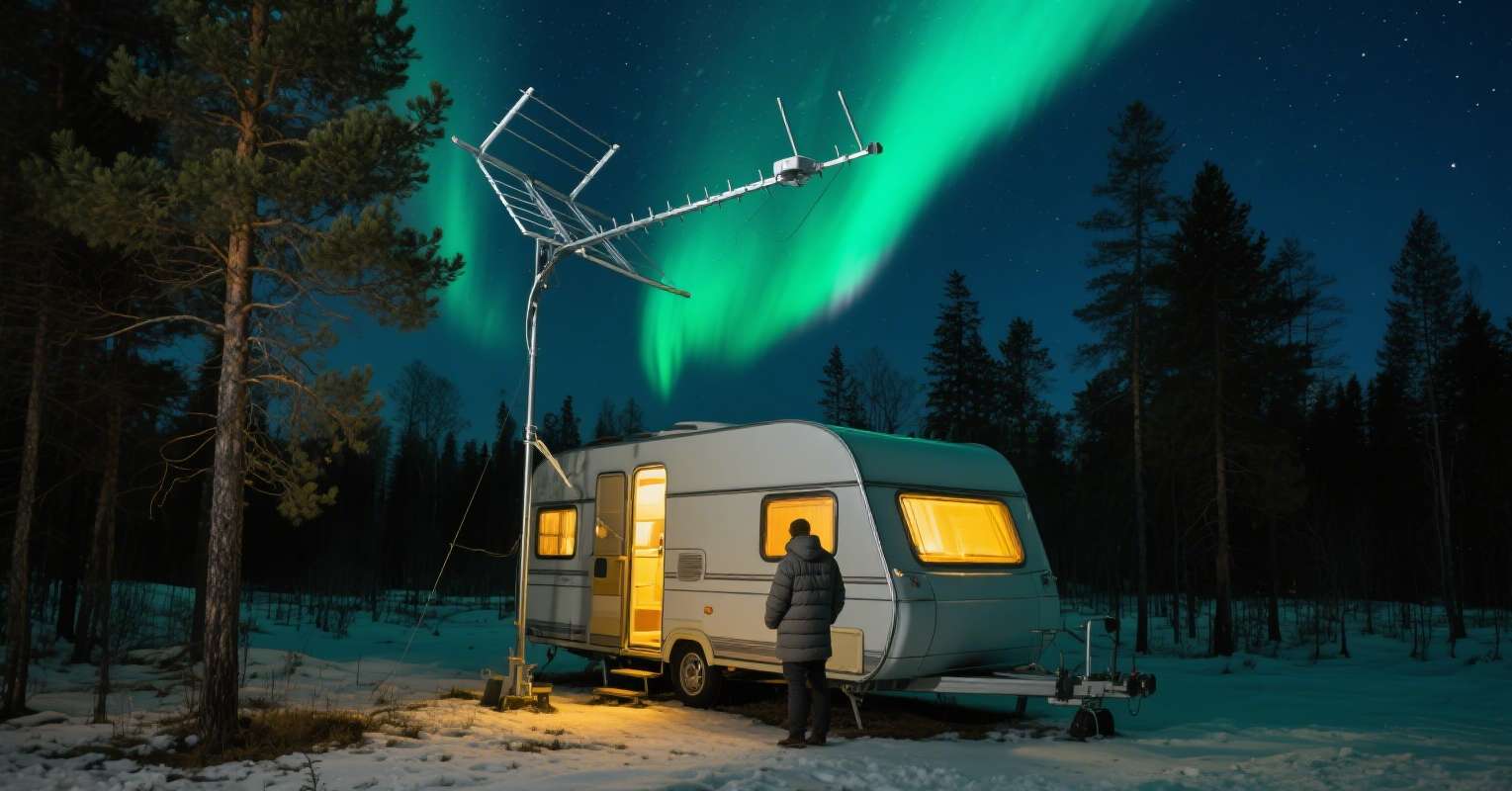
Mount the antenna on your rooftop or on a mast at least 20 feet above the ground. Point it toward the nearest broadcast towers—online tools like AntennaWeb.org can help you find the exact bearing.
2.Switch to a Directional or Multi‑Directional Model
Directional antennas focus on a single tower for maximum gain. If you have stations in multiple directions, consider a multi‑directional design or use a rotator to fine‑tune orientation.
3.Install a Low‑Noise Signal Amplifier
Place a preamplifier at the antenna to boost the RF signal before it travels down the cable. A 20– 30 dB amplifier can compensate for long cable runs and minor obstructions.
4.Upgrade Your Coaxial Cable
Replace old RG59 with high‑quality, quad‑shielded RG6 cable. Use compression‑style F‑connectors rated for outdoor use and ensure all connections are snug and weather‑sealed.
5.Minimize Splitters and Taps
Each splitter you add reduces signal strength. If you need multiple TVs, use a high‑quality distribution amplifier rather than daisy‑chaining splitters.
6.Use Grounding and Lightning Protection
Properly ground your antenna mast and coaxial line. Install a surge protector or lightning arrestor to protect equipment—and to improve overall signal consistency during storms.
7.Perform Regular Channel Scans
Broadcast stations periodically change frequencies. Rescan your TV or tuner every month to ensure you capture new or relocated channels.
Implementing these fixes will dramatically improve your rural reception and help your longest range digital TV antenna deliver on its promise of extended coverage.

SHEN ZHEN QIYUNTONG Electronics—Rural Reception Experts
When real‑world conditions push your setup to the limit, you need antenna hardware engineered for rural performance. SHEN ZHEN QIYUNTONG ELECTRONIC TECHNOLOGY CO., LTD. has over 20 years of experience designing digital antennas that excel in the most challenging environments.
Key Product Features
-
True Long‑Range Gain
Our antenna delivers up to 150 miles of reception under ideal conditions, with real‑world performance of 60–100 miles in hilly or forested terrain. -
Dual‑Band VHF/UHF Coverage
Capture every local station—whether it broadcasts on low‑VHF (54–88 MHz), high‑VHF (174–230 MHz), or UHF (470–862 MHz). -
Integrated Low‑Noise Amplifier
A built‑in 25 dB preamplifier minimizes cable loss and optimizes signal‑to‑noise ratio for clearer pictures and fewer dropouts. -
Rugged Weatherproof Design
Fully sealed IP66 enclosure, UV‑resistant mast, and marine‑grade aluminum elements ensure years of maintenance‑free operation. -
Easy Installation & Universal Compatibility
Our antennas come with detailed instructions, mounting hardware, and support both ATSC, DVB‑T2, and ISDB‑T standards—perfect for international deployment.
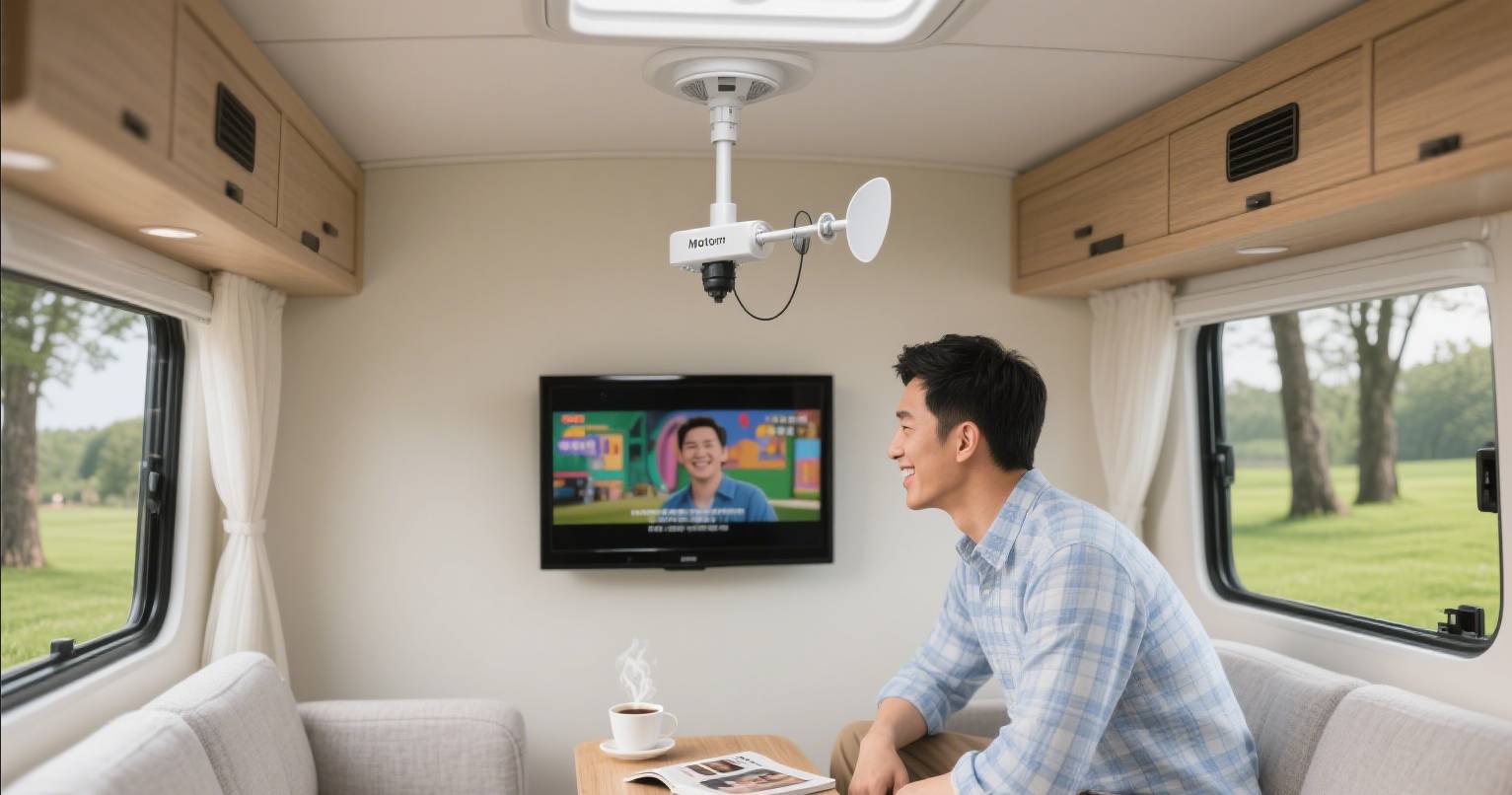
Whether you’re installing on a farmhouse roof, an off‑grid cabin, or a remote RV park, Qiyuntong’s solutions are tailor‑made for rural viewing.
Contact our team for custom OEM/ODM options or to request a sample: www.szqiyuntong.com.
Maintenance & Long‑Term Optimization
A one‑time setup isn’t enough to guarantee perfect reception—ongoing care is essential. Follow these tips to keep your longest range digital TV antenna performing at its peak:
1.Seasonal Inspections
Check for corrosion on connectors and make sure all fittings are tight. Replace any frayed cable ends or cracked weatherproof boots.
2.Clear Surrounding Obstructions
Trim tree limbs and vines that may grow into the signal path. Even small branches can block or scatter signals.
3.Re‑Scan After Major Weather Events
Heavy storms can shift your antenna slightly or alter transmission patterns. Rescan to reacquire all channels.
4.Monitor Signal Strength
Use your TV’s built‑in signal meter or a handheld RF meter to verify strength. If you see a sudden drop, troubleshoot cabling and amplifier power.
5.Update Firmware on Smart Tuners
If you use a DVR or set‑top connector, check for firmware updates to maintain compatibility with new broadcast standards.
6.Replace Coax When Necessary
Even premium RG6 degrades over a decade. Plan to replace it every 8–10 years or if you notice signal loss.
By treating your antenna system as a critical piece of infrastructure—rather than a “set it and forget it” gadget—you’ll enjoy stable, free HDTV in any remote location.
Frequently Asked Questions
Q1: What is a realistic reception range in rural areas?
A: Under real‑world conditions (hills, foliage), expect 60–100 miles with a high‑gain directional digital antenna. Exceptional designs can exceed 100 miles with optimal placement.
Q2: Do amplifiers introduce noise?
A: Quality low‑noise amplifiers (LNA) improve signal without adding distortion. Avoid cheap boosters; use a professionally tuned 20–30 dB unit.
Q3: Can I share one antenna across multiple TVs?
A: Yes—but use a distribution amplifier rather than daisy‑chaining splitters to maintain signal strength.
Q4: Why does weather affect reception?
A: Rain, snow, and humidity can change signal propagation. Proper grounding and weatherproofing help stabilize performance.
Q5: How often should I update my setup?
A: Major hardware (antenna, amplifier) typically lasts 10+ years. Check cabling and connectors every 2–3 years, and rescan channels monthly.
By following these seven methods—and choosing a proven longest range digital TV antenna from SHEN ZHEN QIYUNTONG—you can transform rural TV reception from frustrating to flawless. Cut the cord, cut the clutter, and enjoy the best of free HDTV, wherever you live.
How to Connect a Whole House Digital Antenna System
How to Fix Digital Antenna Reception in Rural Areas
Related Article